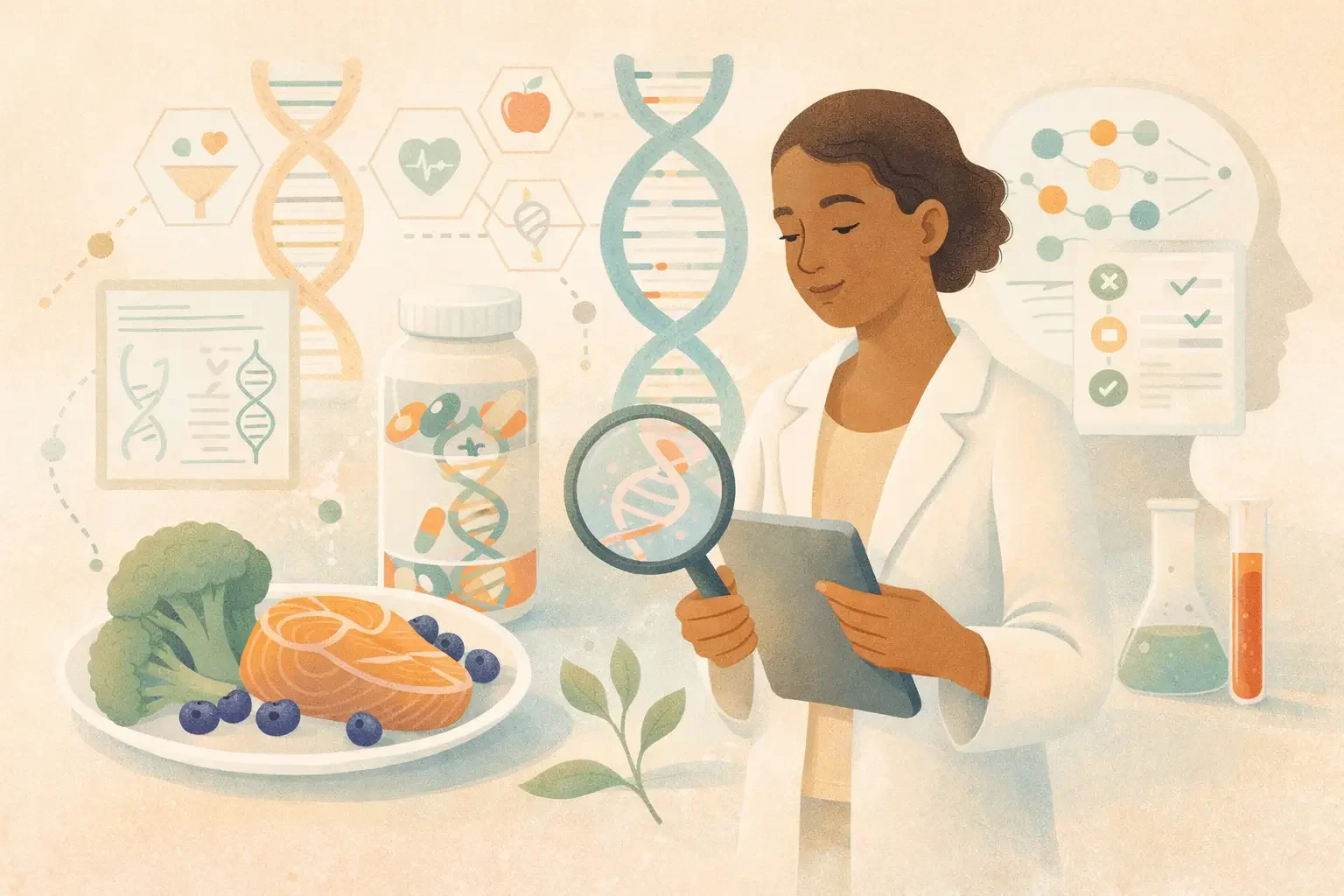
Nutritional Research: How Personalized Nutrition Is Changing Medicine
Personalized nutrition is moving medicine beyond one-size-fits-all advice. By looking at factors like metabolism, blood sugar response, gut health, lifestyle, and medical history, researchers are building a more precise way to understand how food affects health. This emerging field is helping clinicians and patients make smarter, more individualized choices—while also raising important questions about what the science can truly deliver.
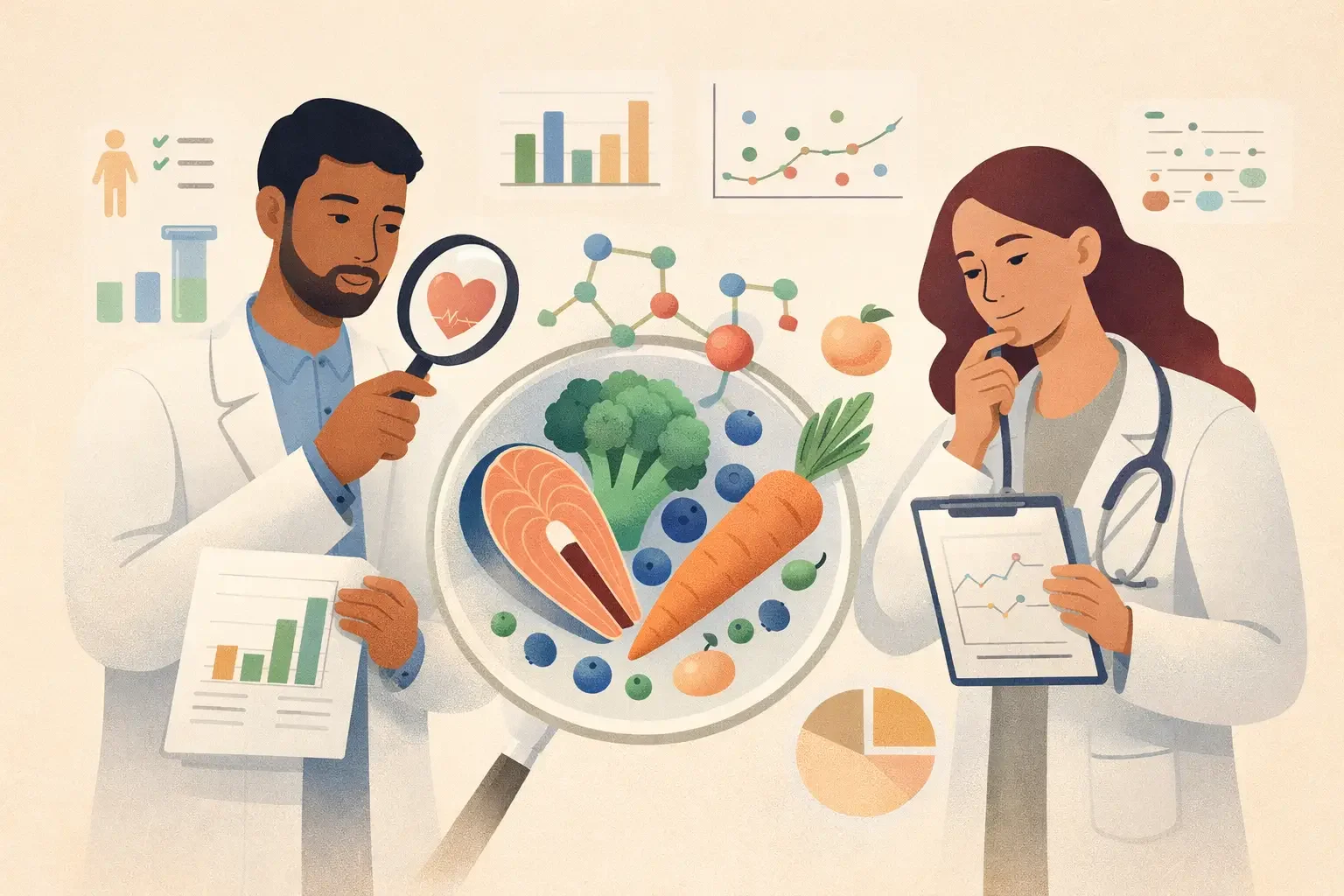
Nutritional Research: What Studies Really Show
Nutrition advice can feel like it changes every week, but the bigger picture is far more consistent than the headlines suggest. This article breaks down what nutritional research really shows about healthy eating, how to interpret studies more clearly, and which evidence-based habits matter most for long-term health.
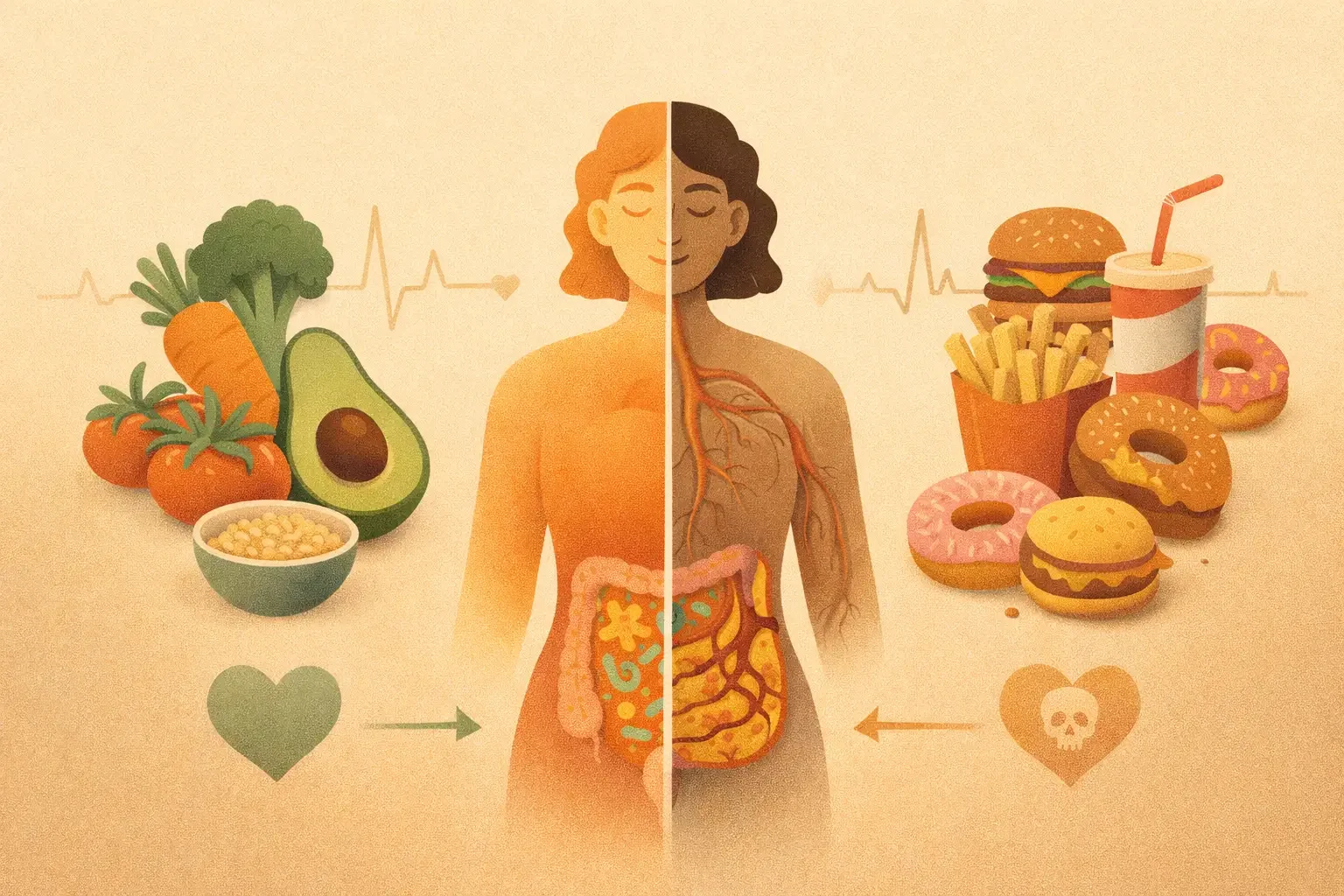
How Diet Shapes Long-Term Health Risk
What you eat today does more than affect your energy or hunger. Over time, your diet helps shape your risk for chronic disease, metabolic problems, and healthy aging. This article explains how food patterns influence long-term health and offers practical, realistic strategies for eating in a way that protects your future.
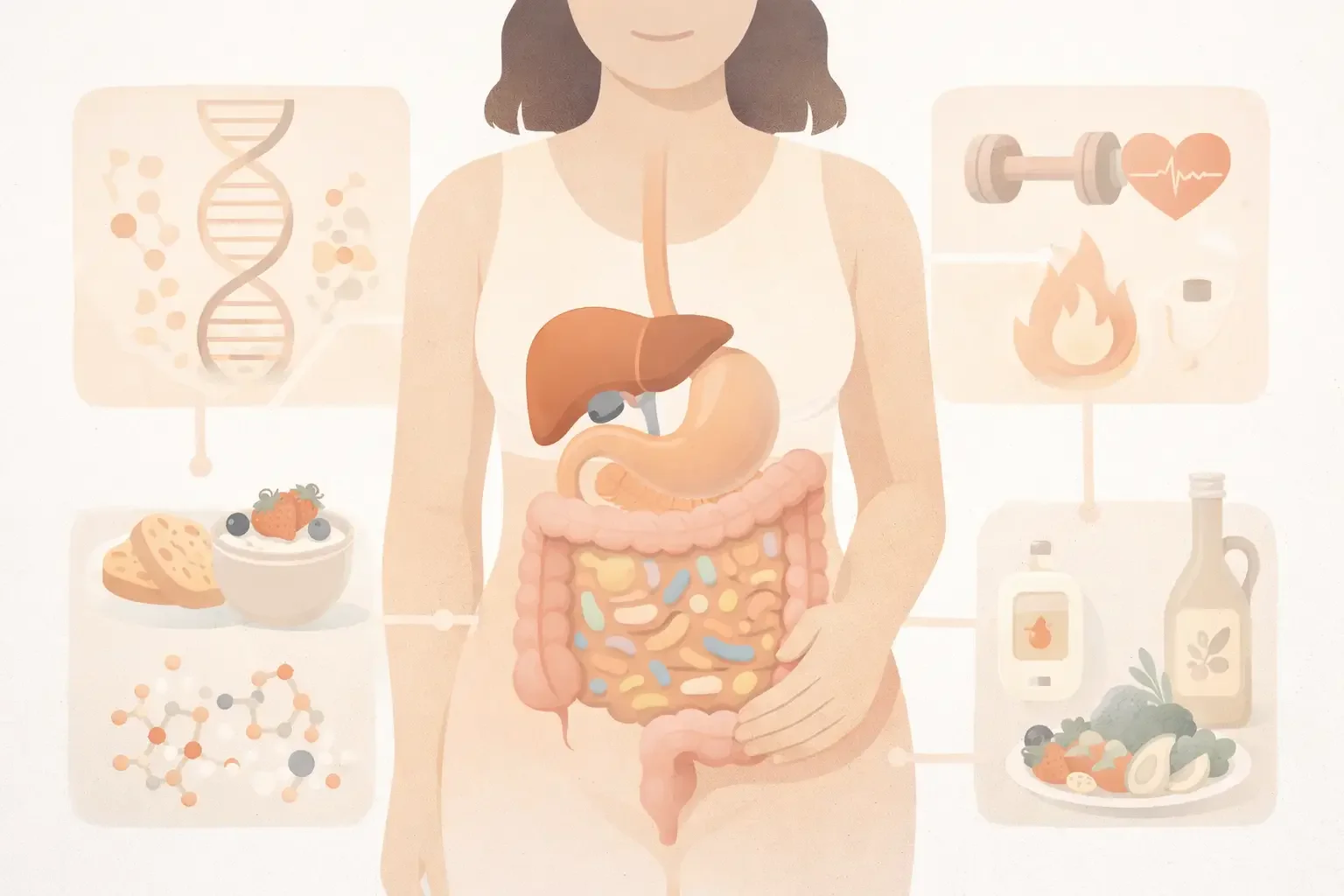
The Science Behind Metabolic Nutrition
Metabolic nutrition is about more than calories. It explores how food affects energy production, blood sugar, appetite, muscle, and long-term health. This article breaks down the science in a clear, practical way, with realistic strategies to help you eat in support of a healthier metabolism.
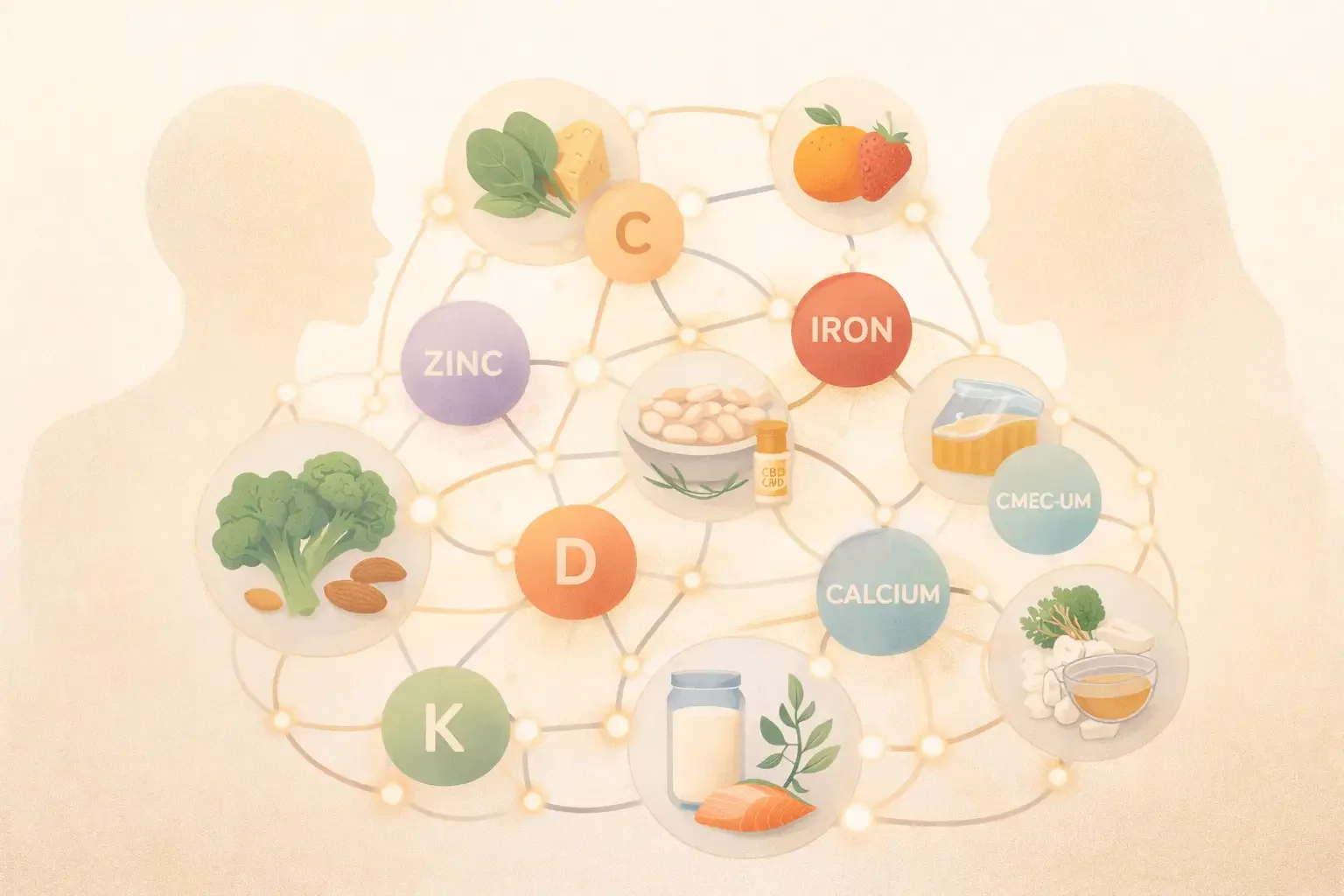
Nutrient Interactions That Subtly Influence Health
Nutrients do not work alone. This article explores how key vitamins and minerals interact inside the body, influencing absorption, balance, and long-term health outcomes in ways many people overlook.

The Nutritional Science of Living Longer, Better
What we eat shapes far more than weight or energy levels. This article explores the nutritional science behind longevity, explaining how food influences inflammation, metabolism, muscle preservation, and long-term health, along with realistic strategies for building a way of eating that supports a longer, healthier life.

Why Your Body Might Need More: The Real Reasons Nutrient Needs Aren’t One-Size-Fits-All
Not everyone thrives on the same nutrition advice. This article explains why nutrient needs vary from person to person and how factors like life stage, stress, digestion, illness, activity, and medications can increase what your body requires.
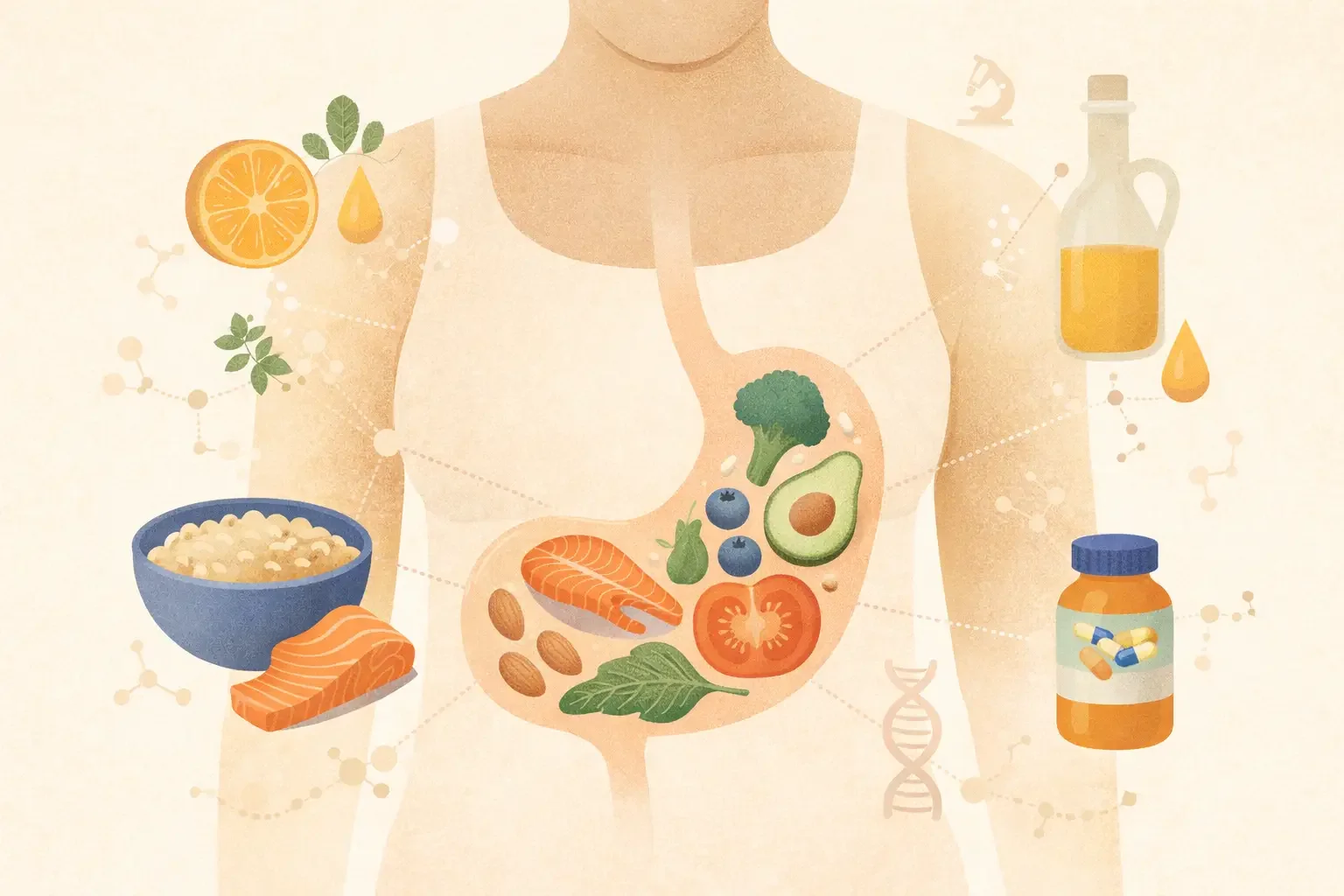
The Science of Nutritional Synergy
Nutritional synergy is the idea that some foods and nutrients work better together than alone. From pairing vitamin C with plant-based iron to adding healthy fat to vegetables, this science-backed approach shows how simple meal combinations can support better absorption, steadier energy, and overall wellness.
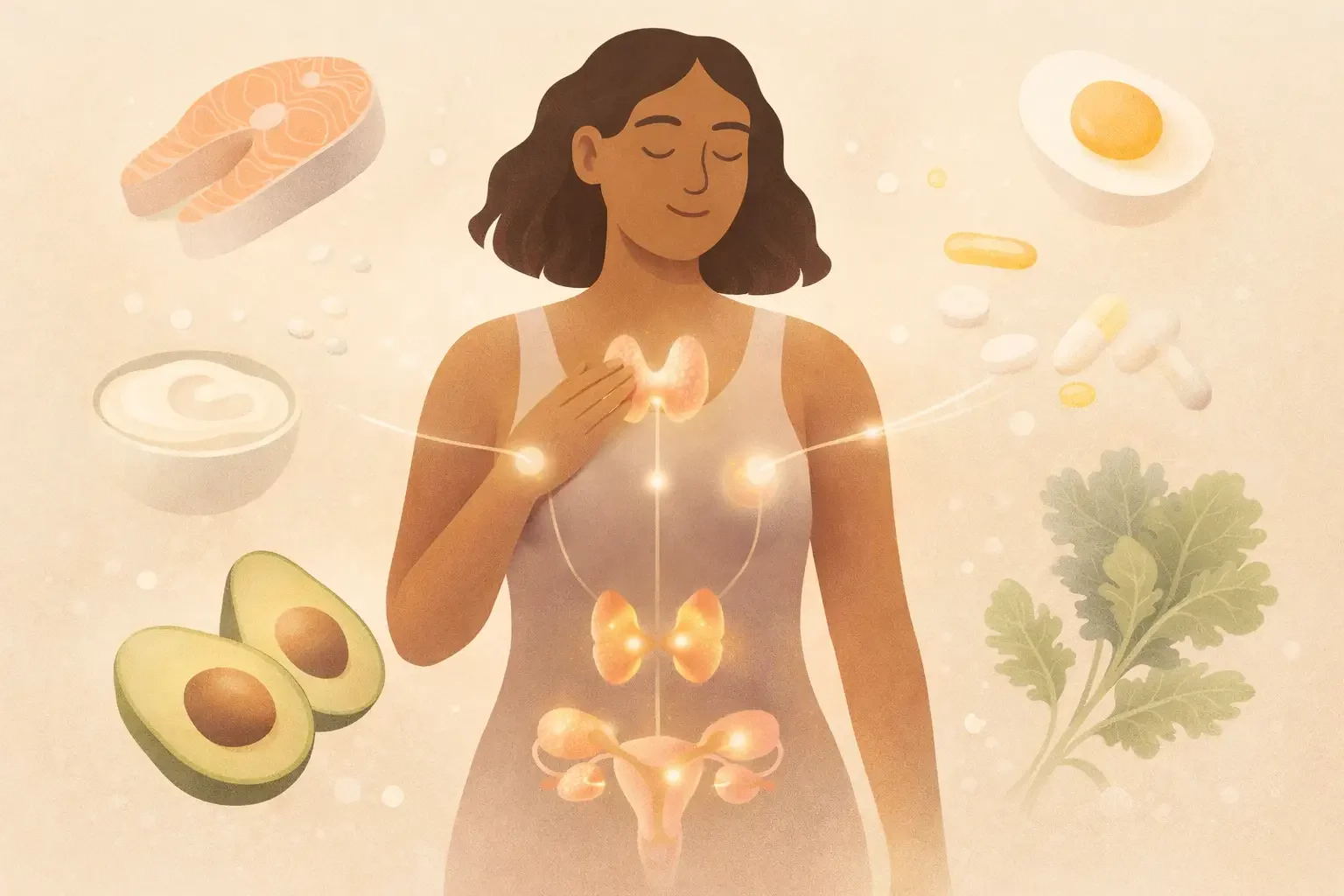
Nutrients That Help Your Hormones Do Their Job
Hormonal health is not about finding one miracle food. This article explores the key nutrients that influence hormonal balance, how they work in the body, and practical ways to support your hormones through everyday nutrition and lifestyle habits.
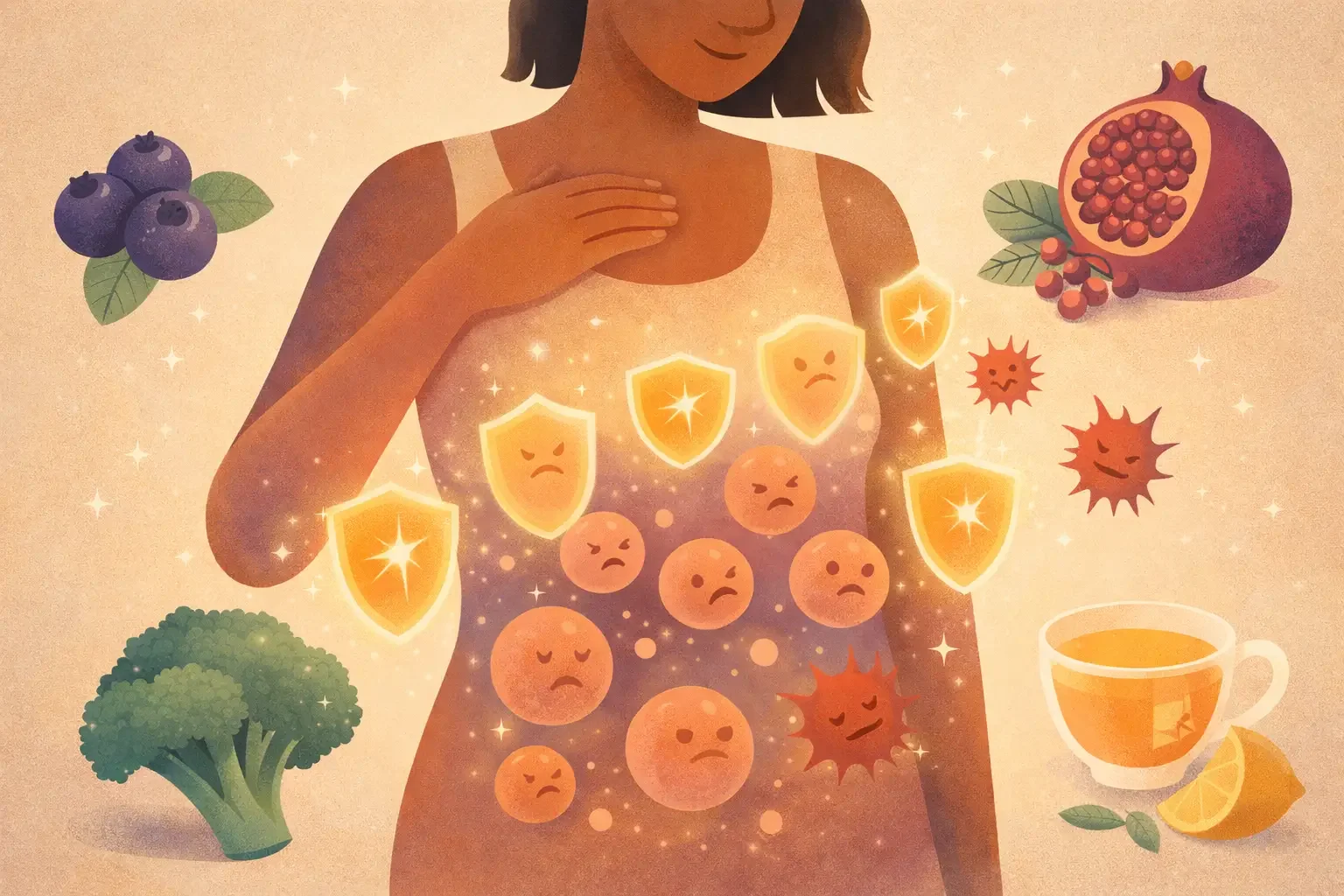
The Quiet Bodyguards: How Antioxidants Help Protect Your Cells
Antioxidants are part of your body’s natural defense system, helping protect cells from oxidative stress and everyday wear and tear. This article explains how antioxidants work, why cellular protection matters, and the practical food and lifestyle habits that support long-term health.
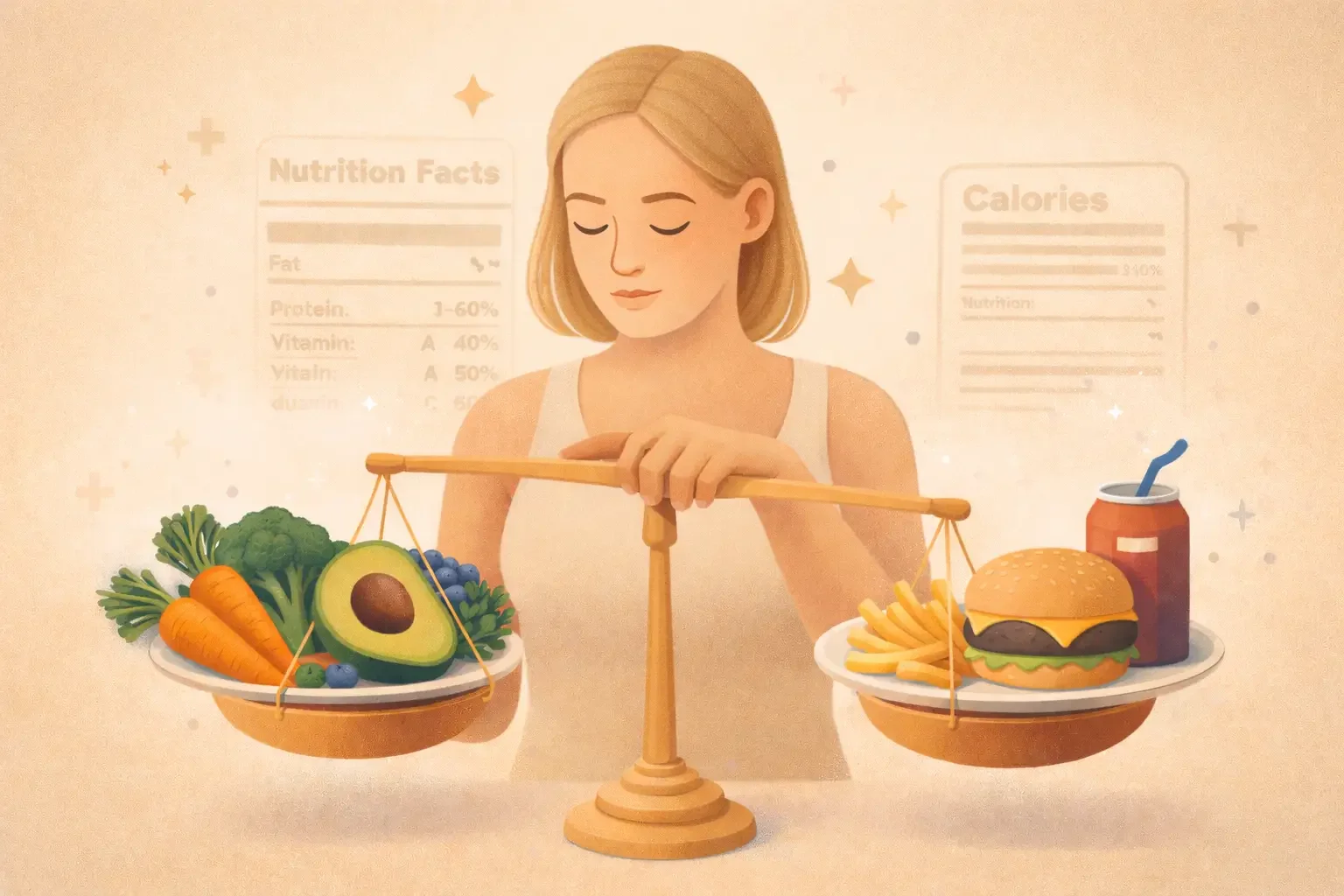
Why Nutrient Density Matters More Than Calories
Not all calories do the same job. A nutrient-dense way of eating helps support energy, appetite, and overall health by giving your body more of what it actually needs from every bite.
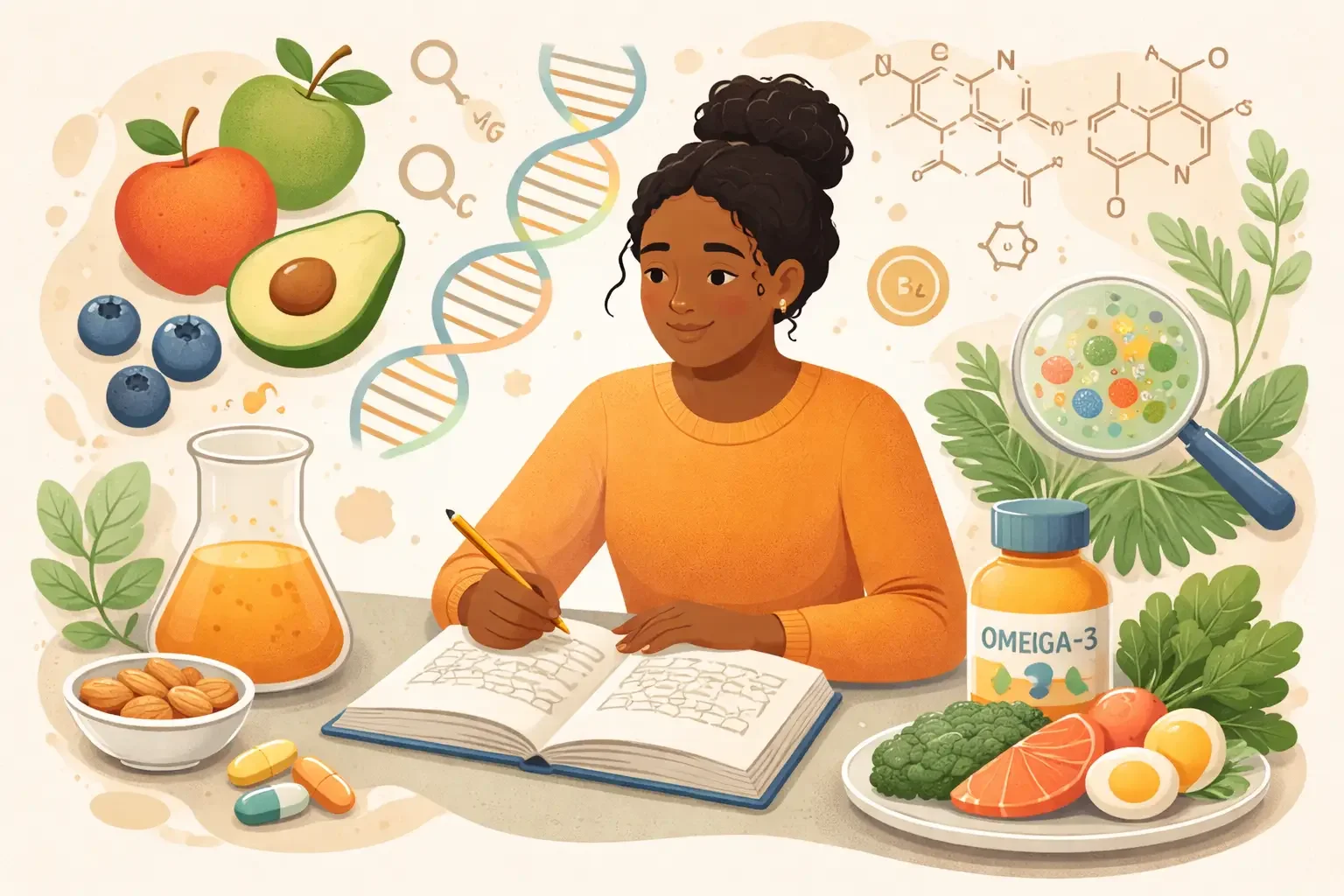
Nutritional Biochemistry: An Accessible Overview
Nutrition advice can feel noisy and contradictory, but nutritional biochemistry helps it make sense. This approachable guide explains what your body actually does with carbohydrates, protein, fat, vitamins, minerals, and fiber—and how that science can help you make smarter, more realistic food choices.
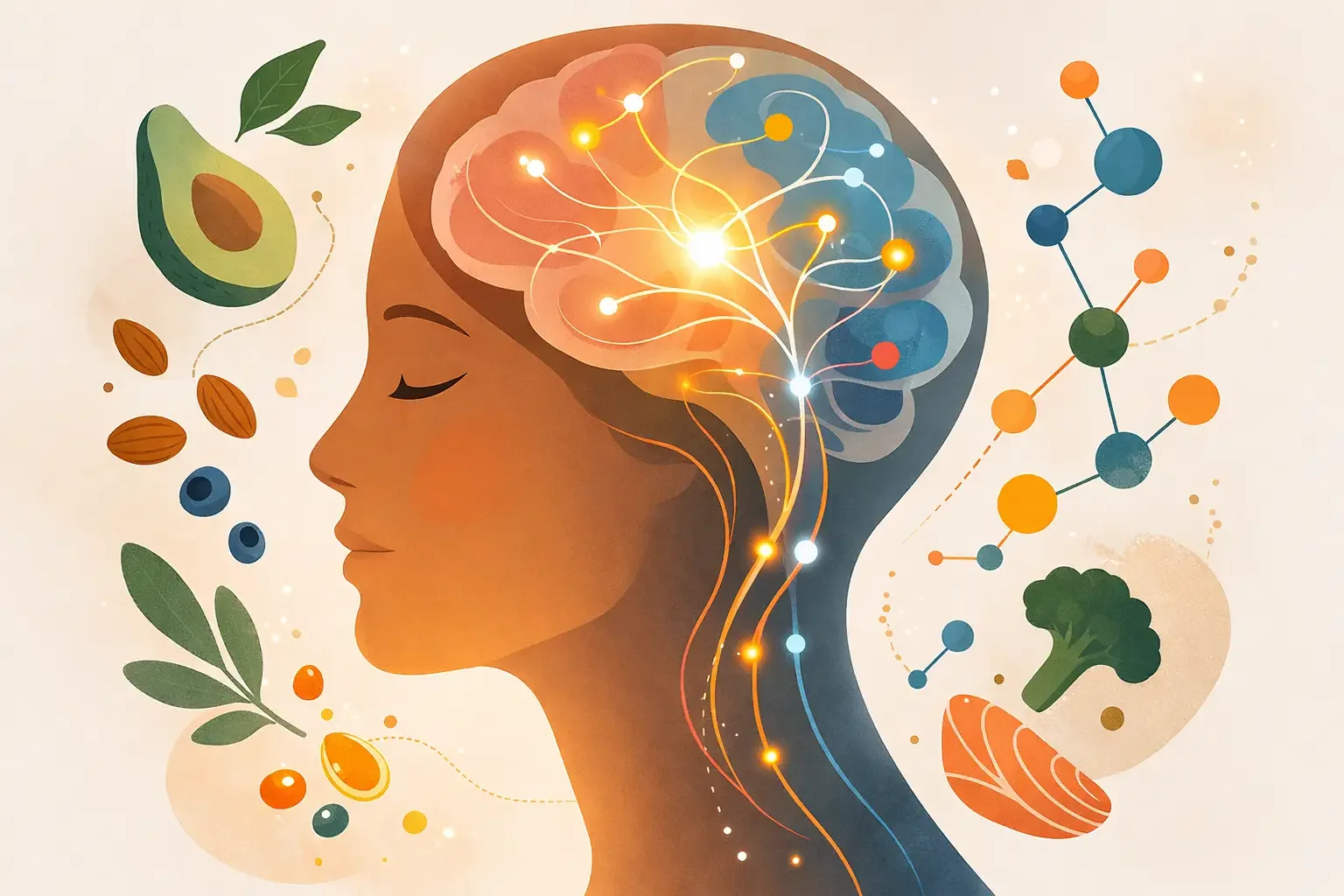
How Nutrients Influence Brain Chemistry
What you eat does more than fuel your body. It also helps shape brain chemistry. This article explores how nutrients support neurotransmitters, energy, focus, and mood, and how simple daily food choices can support better brain health.

What Happens When the Body Lacks Essential Vitamins
Vitamin deficiencies do not always announce themselves loudly. Often, they begin with subtle signs like fatigue, poor concentration, slow healing, brittle nails, or getting sick more often. This article explains what happens when the body lacks essential vitamins, why these nutrients matter so much, and how everyday food and lifestyle habits can help protect long-term health.
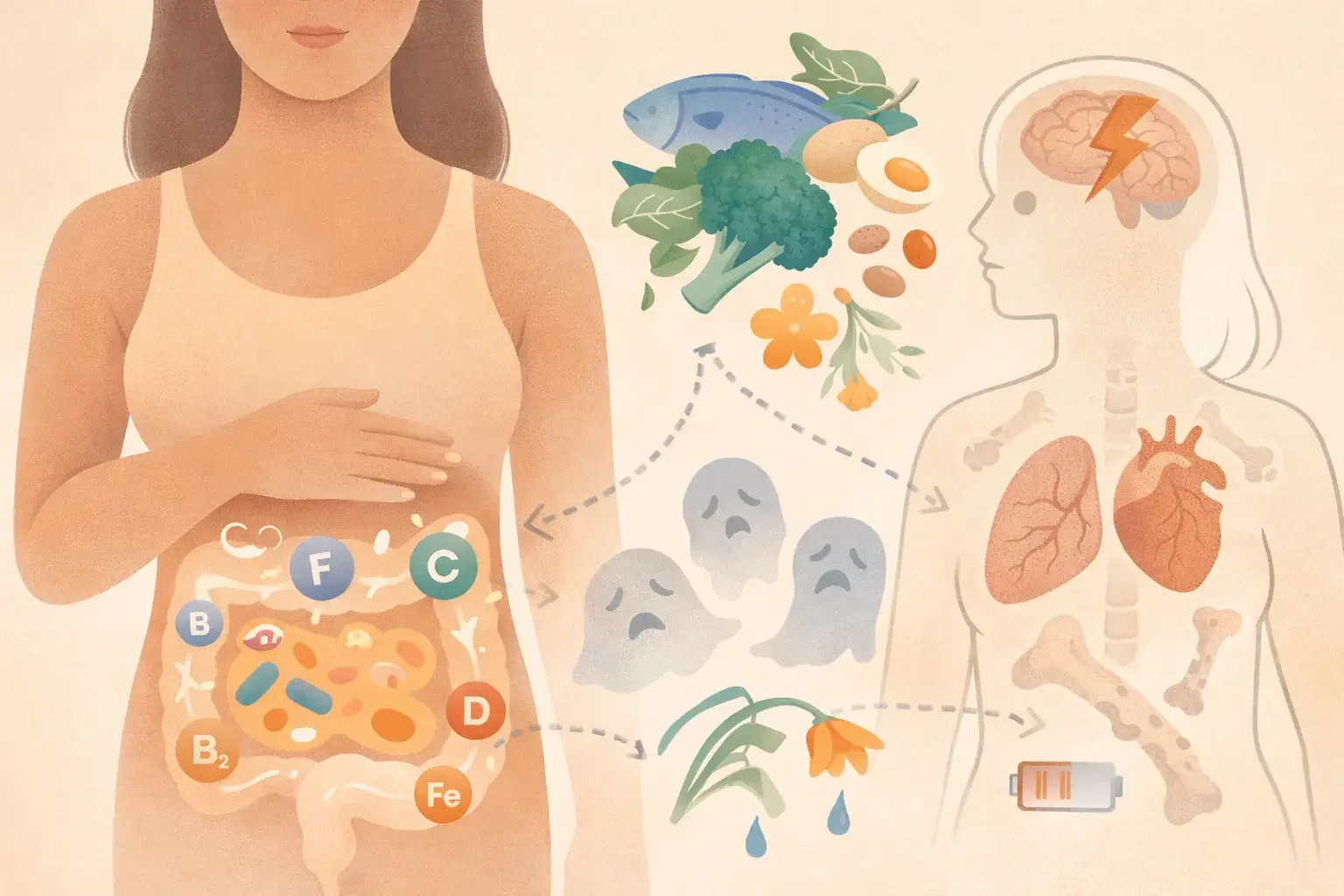
How Nutritional Deficiencies Really Develop
Nutritional deficiencies rarely happen all at once. This article explains how they gradually develop through low intake, poor absorption, increased nutrient demands, medications, and everyday habits—and what you can do to lower your risk.
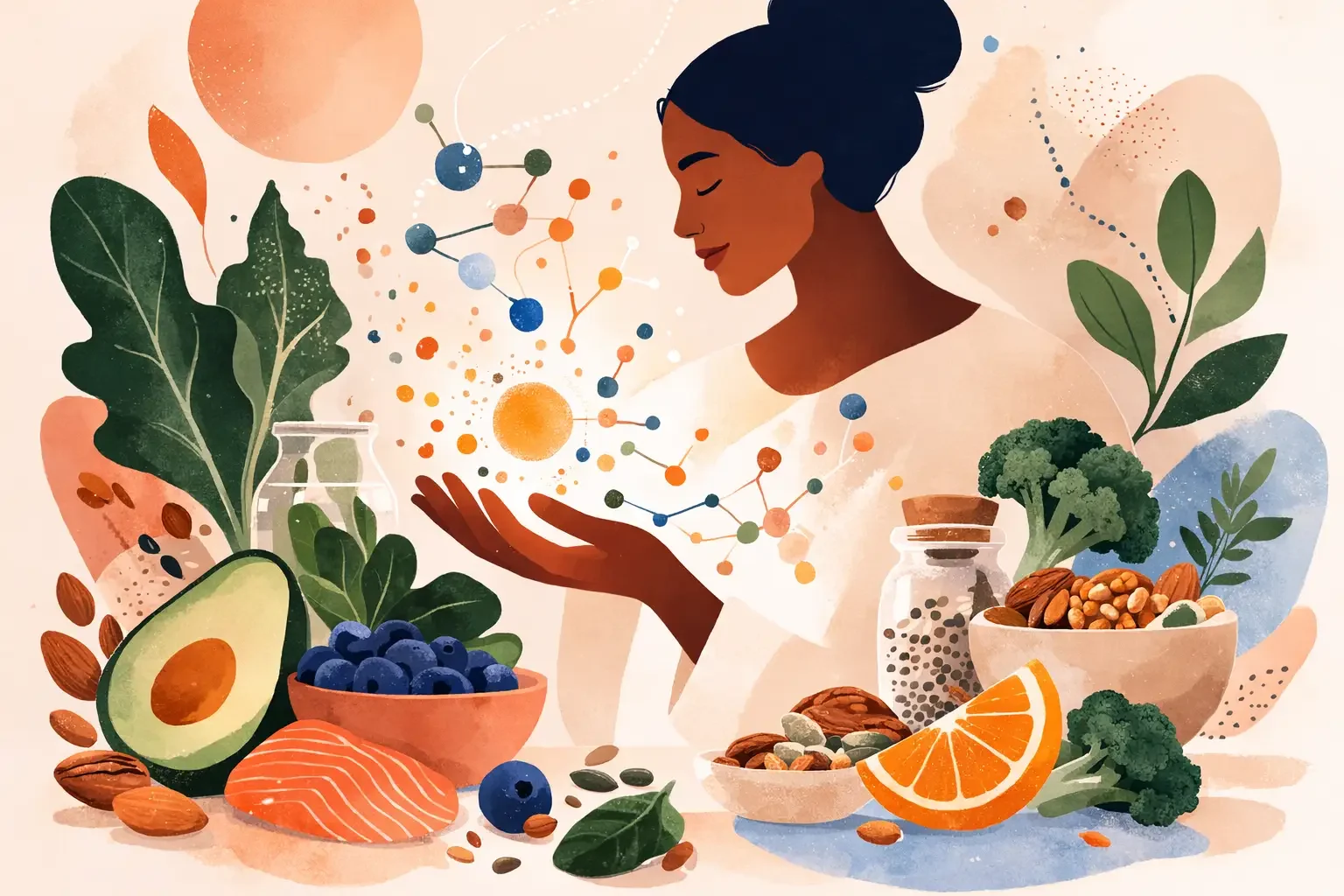
Micronutrients: The Hidden Drivers of Health
Micronutrients may be needed in small amounts, but they have an outsized impact on how we feel and function. From energy production and immune support to bone strength and brain health, these vitamins and minerals quietly power the body every day. Here’s why they matter—and how to get more of them in real life.
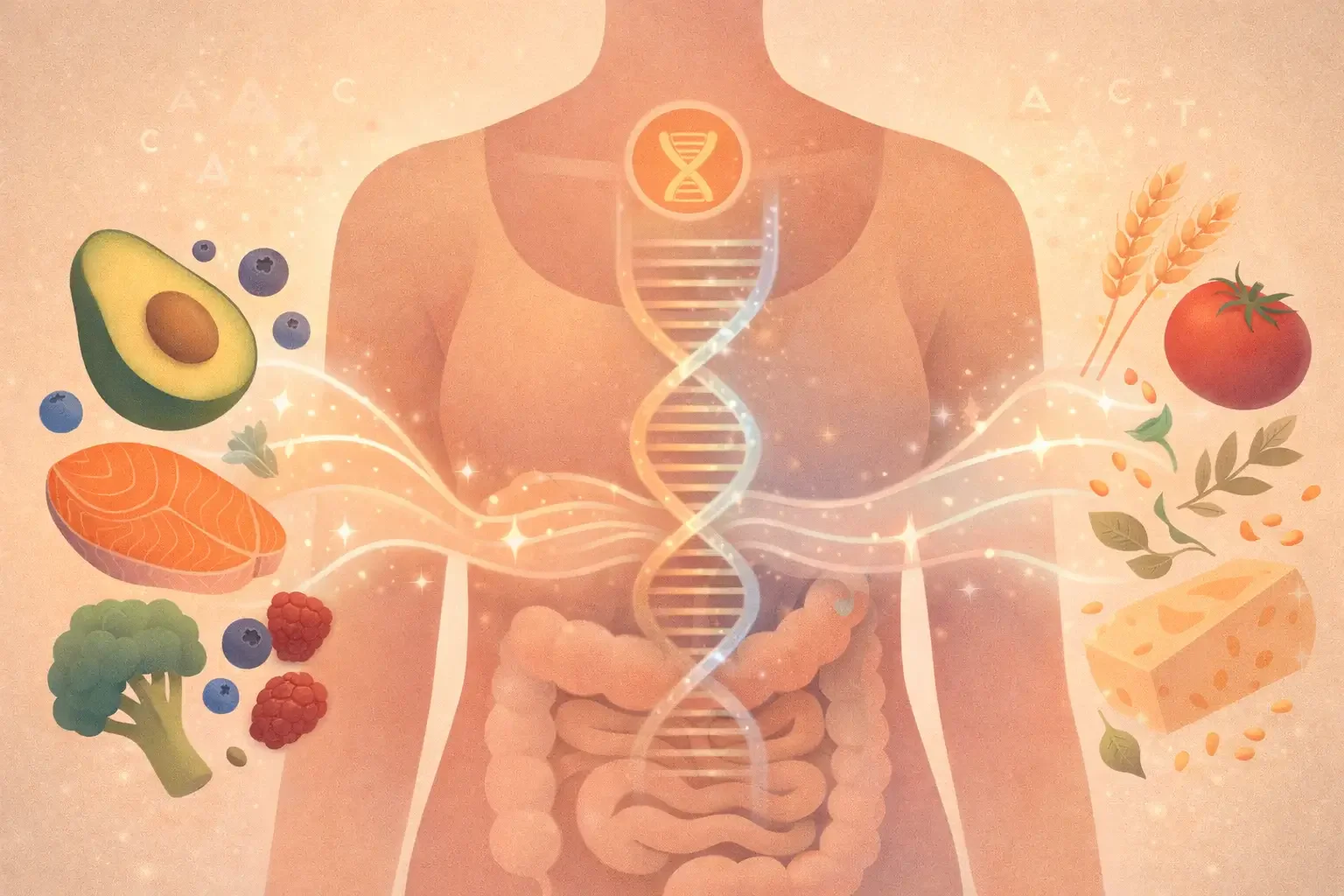
The Hidden Conversation Between Food & Your Genes
Your genes are not as fixed as they may seem. While nutrition cannot change your DNA, it can influence how your genes are expressed. In this article, we explore how vitamins, minerals, and plant compounds help regulate cellular activity, support epigenetic processes, and shape health in practical, everyday ways.
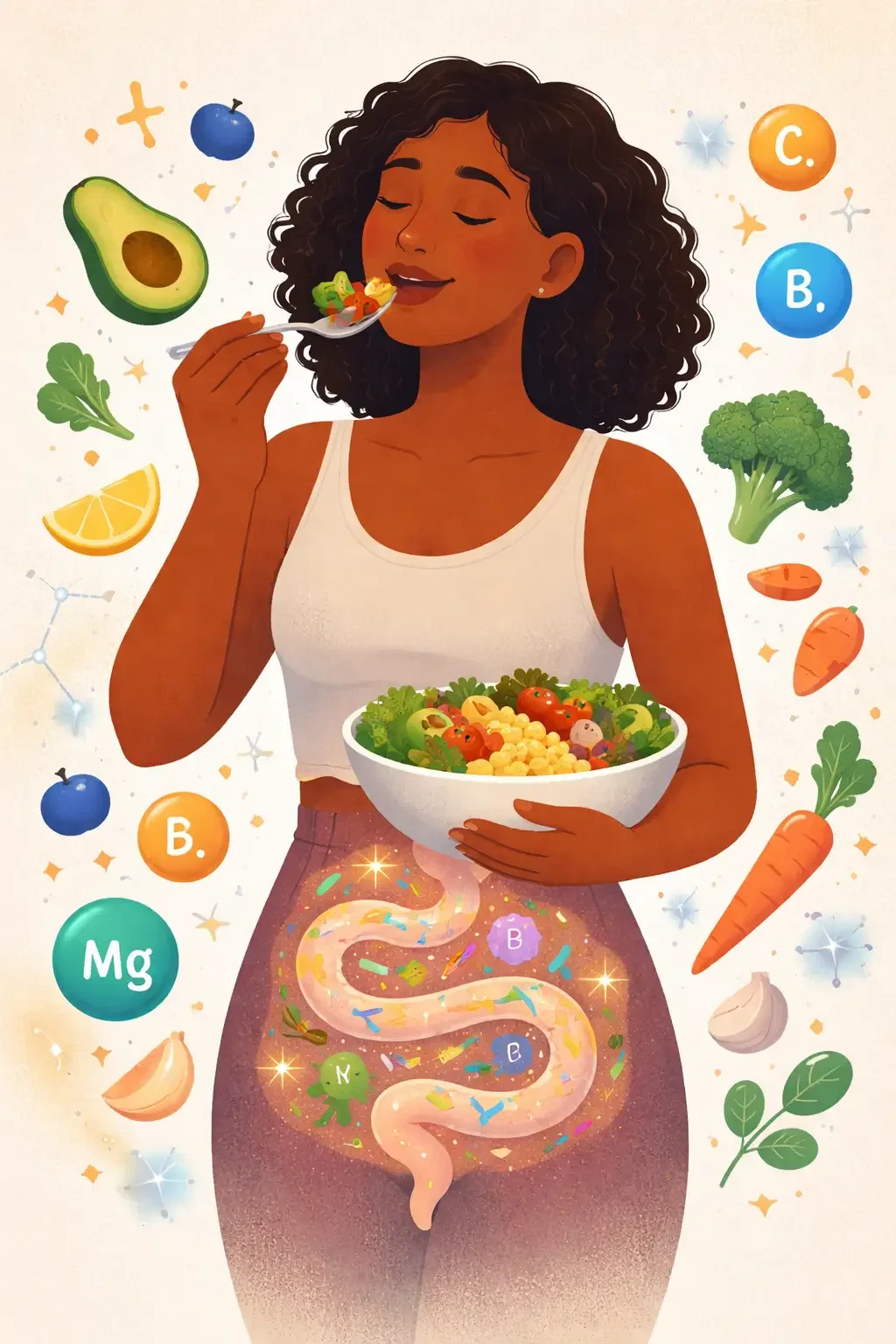
The Science of Nutrient Absorption: How to Help Your Body Get More From Every Bite
Eating nutritious food is important, but what your body actually absorbs matters just as much. This article explores the science of nutrient absorption, the factors that help or hinder it, and practical ways to get more nutritional value from your meals.
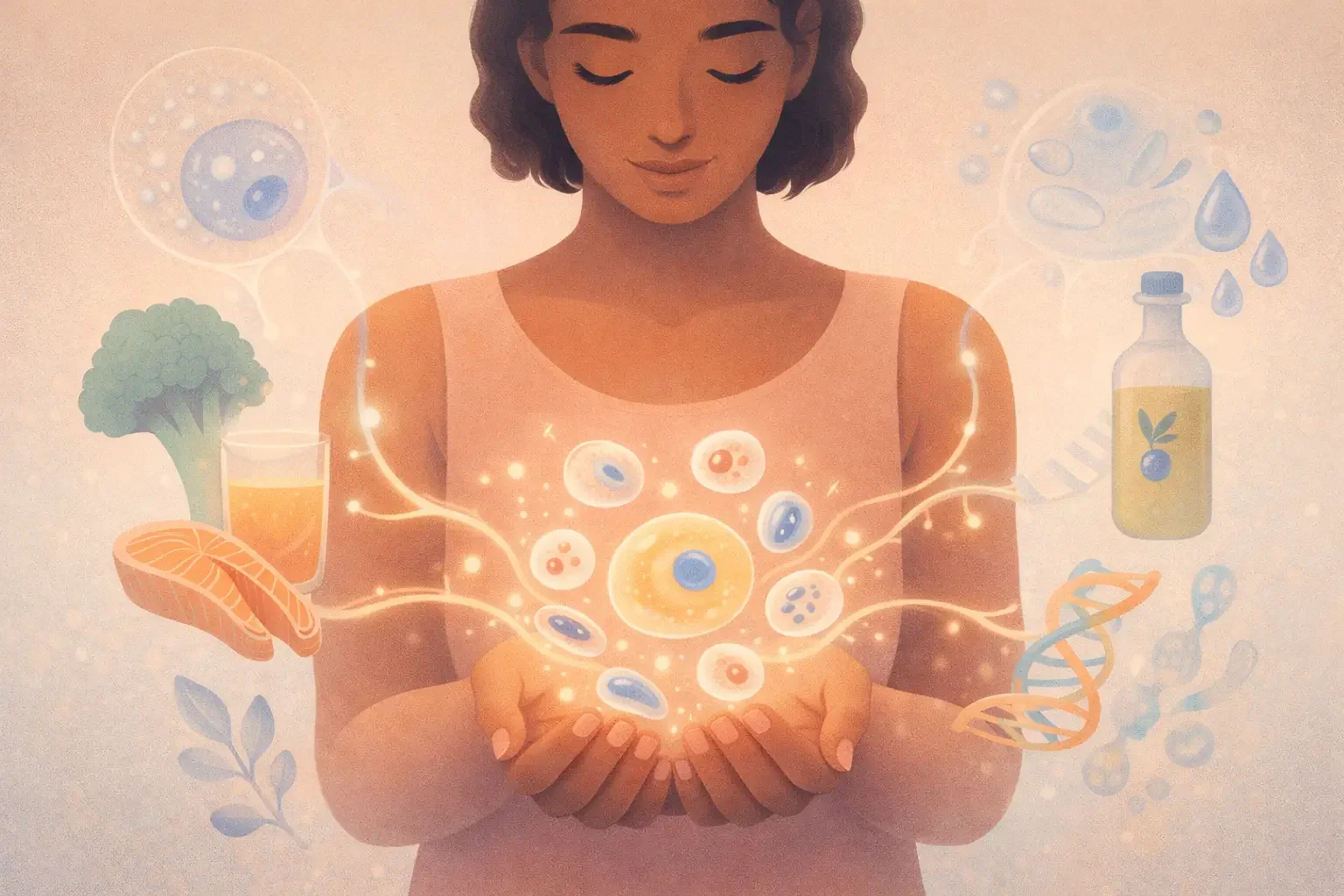
How Nutrients Shape the Life of Your Cells
Your cells are constantly making energy, repairing damage, and adapting to stress, and nutrients help guide every part of that process. This article explores how protein, healthy fats, vitamins, minerals, and everyday habits support cellular health and long-term well-being.
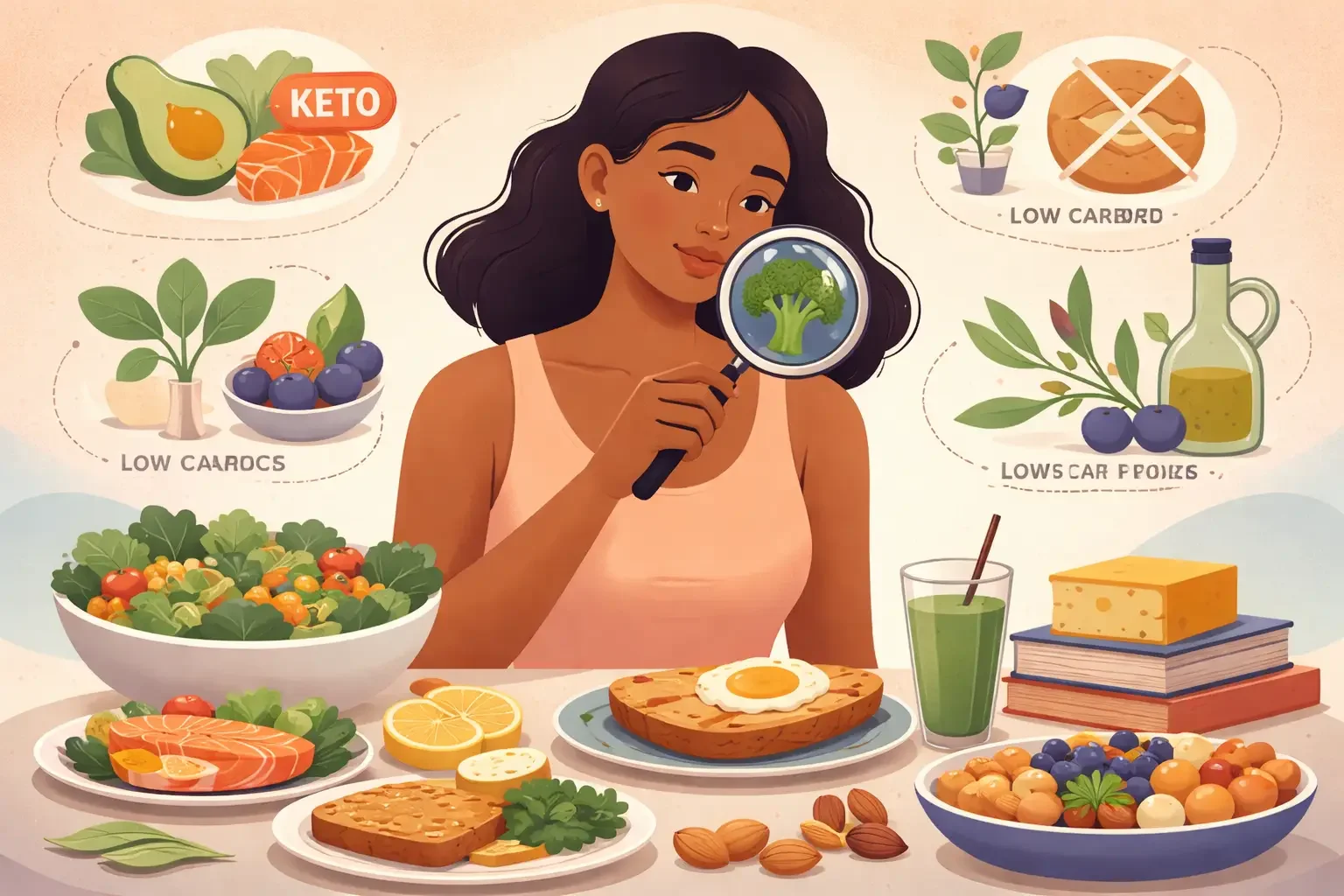
What Nutritional Science Actually Says About Diet Trends
Diet trends often promise dramatic results, but nutritional science tells a more balanced story. This article explores what research actually says about popular eating patterns, why consistency matters more than hype, and which nutrition habits truly support long-term health.