
Strategies to Improve Metabolic Health
Metabolic health is about far more than weight. It influences blood sugar, energy, cravings, heart health, and how well your body functions day to day. This article explores realistic, evidence-based strategies to improve metabolic health, including building balanced meals, increasing movement, prioritizing strength training, sleeping well, and managing stress in ways that actually fit real life.
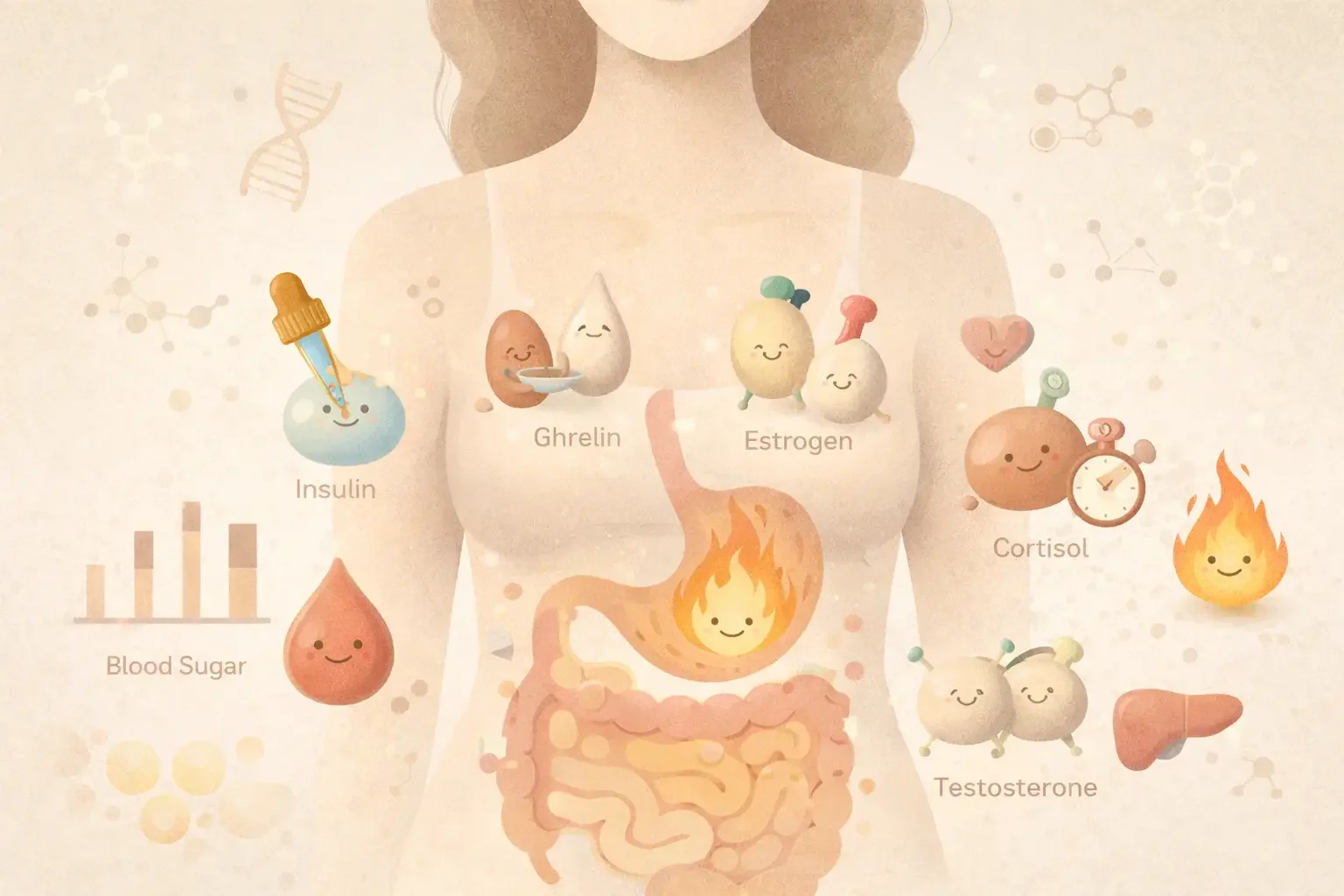
How Hormones Shape Your Metabolism
Metabolism is not just about calories. Hormones help shape how your body uses energy, manages hunger, stores fat, and responds to stress. Here’s how they work together and what supportive daily habits can make a real difference.
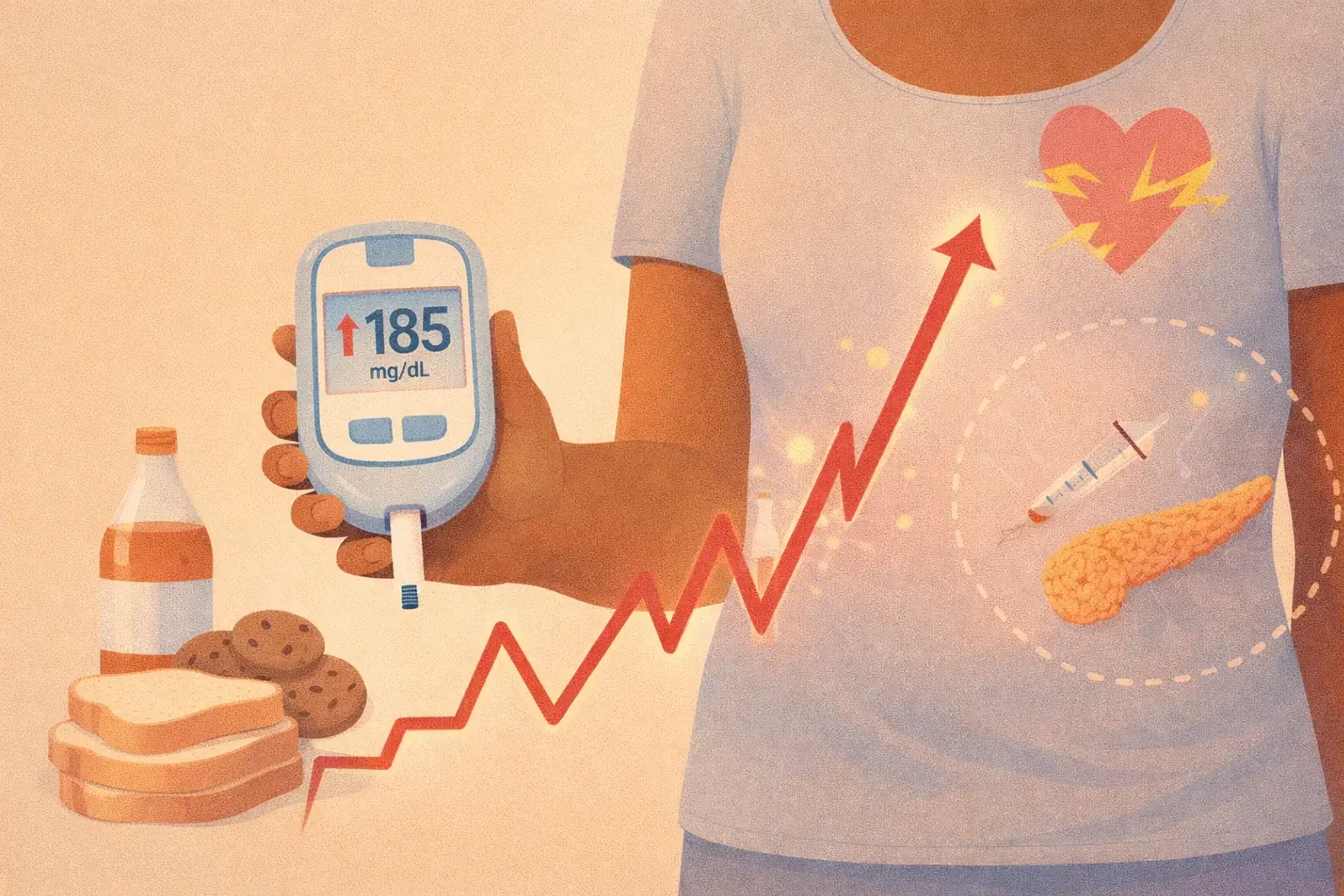
Blood Sugar Spikes & Long-Term Health
Blood sugar spikes are not just a concern for people with diabetes. Frequent highs and crashes can affect energy, appetite, and long-term metabolic health. Here’s what is happening in the body—and how to support steadier blood sugar with realistic daily habits.

Why Metabolic Flexibility Matters
Metabolic flexibility is your body’s ability to switch between carbs and fat for fuel. When it works well, energy feels steadier, cravings are less intense, and blood sugar is easier to manage. Here’s why it matters and how to support it in everyday life.

The Science of Insulin Sensitivity
Insulin sensitivity plays a major role in blood sugar balance, energy levels, appetite, and metabolic health. In this article, we break down the science in a clear, approachable way and explore practical strategies to support better insulin function through everyday habits.
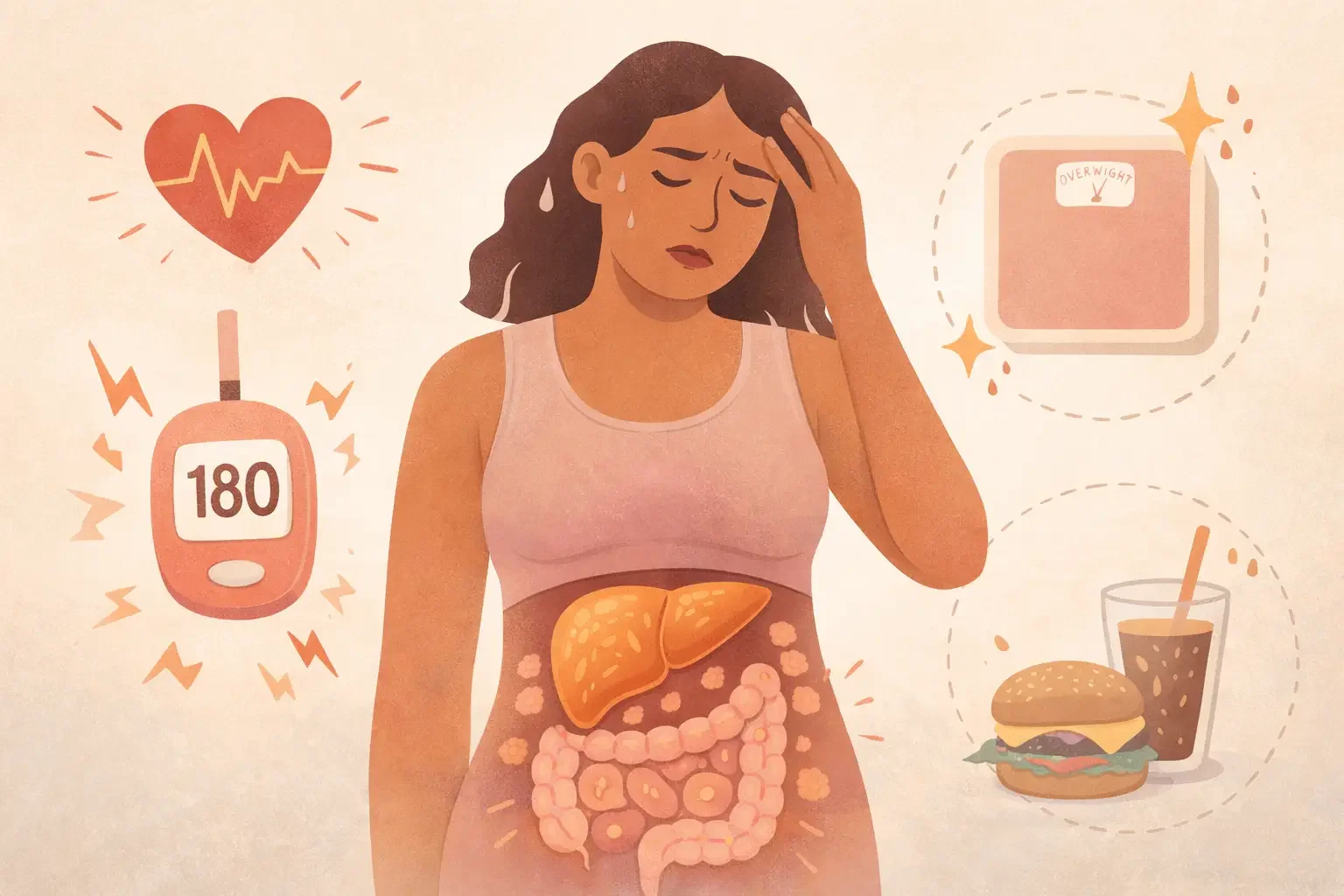
Early Warning Signs of Metabolic Dysfunction
Metabolic dysfunction often starts quietly, with subtle signs like fatigue after meals, stubborn belly fat, cravings, brain fog, and poor sleep. This article breaks down what those early clues may mean and shares practical, realistic ways to support your metabolic health before bigger problems develop.

Exercise & Blood Sugar Control
Exercise is one of the most effective and overlooked tools for blood sugar control. From post-meal walks to strength training, regular movement helps your body use glucose more efficiently, improves insulin sensitivity, and supports long-term metabolic health.

How Sleep Shapes Your Blood Sugar, Even More Than You Think
Sleep does more than restore energy—it plays a major role in blood sugar regulation. Poor sleep can affect insulin sensitivity, increase cravings, and make glucose harder to manage. Here’s how sleep and blood sugar are connected, and what to do about it.

The Metabolic Cost of Frequent Snacking
Snacking has become second nature for many people, but eating all day may come with hidden metabolic consequences. This article explores how frequent snacking affects insulin, hunger, blood sugar, and energy regulation, plus how to build a more satisfying and metabolically supportive eating pattern.
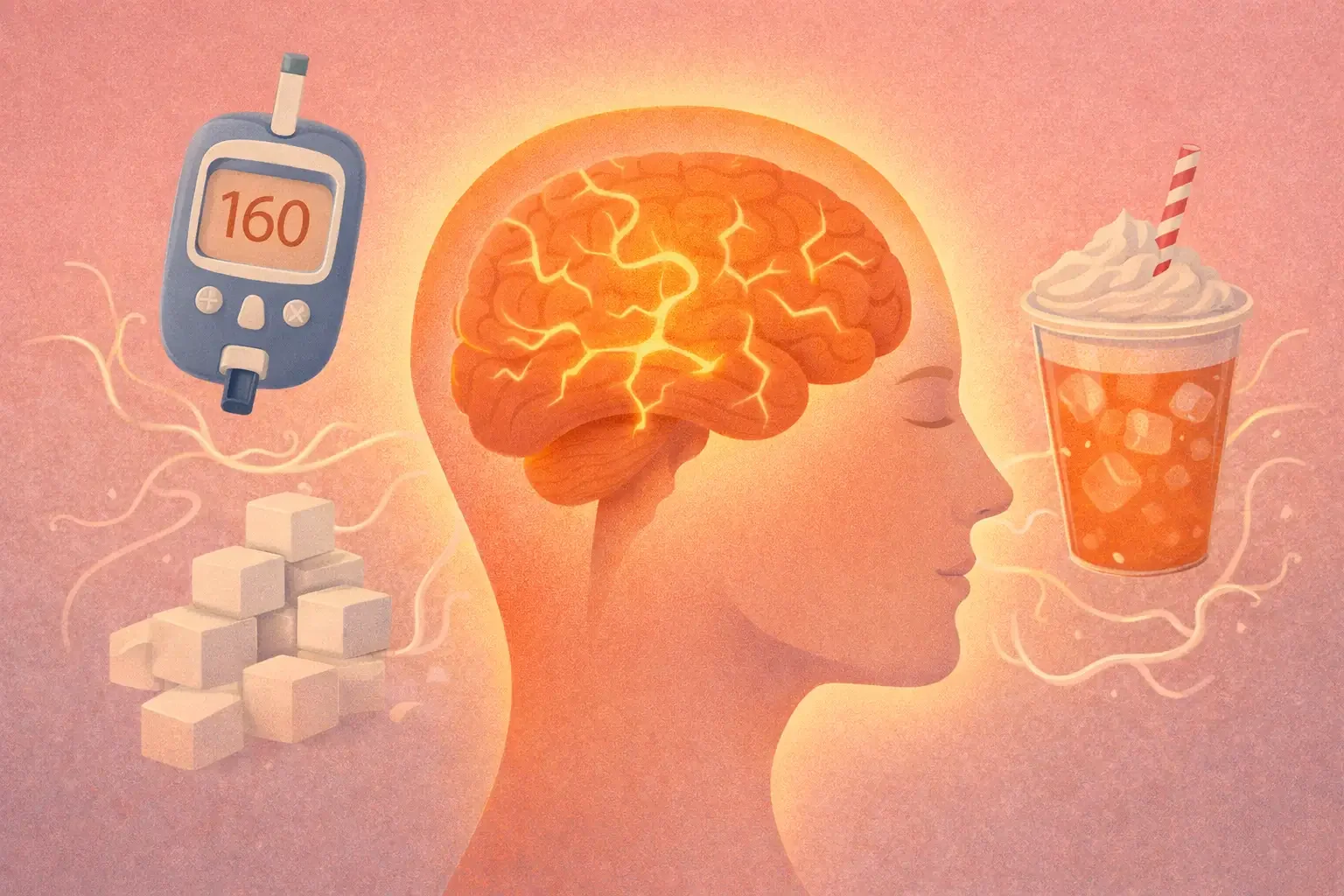
Blood Sugar & Brain Function
Blood sugar plays a powerful role in how your brain feels and functions each day. From focus and memory to mood and mental energy, stable glucose helps support clearer thinking and fewer crashes. This article explores the connection between blood sugar and brain function, along with practical ways to eat and live for steadier energy and a sharper mind.

Why Fiber Is the Quiet Hero of Metabolic Health
Fiber does far more than support digestion. It helps regulate blood sugar, improve fullness, support cholesterol levels, and nourish the gut microbiome, making it one of the most important nutrients for long-term metabolic health.

The Surprising Way Protein Helps Steady Blood Sugar
Protein does more than build muscle. It can also help slow digestion, support steadier blood sugar, and reduce the energy crashes and cravings that come from unbalanced meals. Here’s why it matters and how to use it in everyday eating.
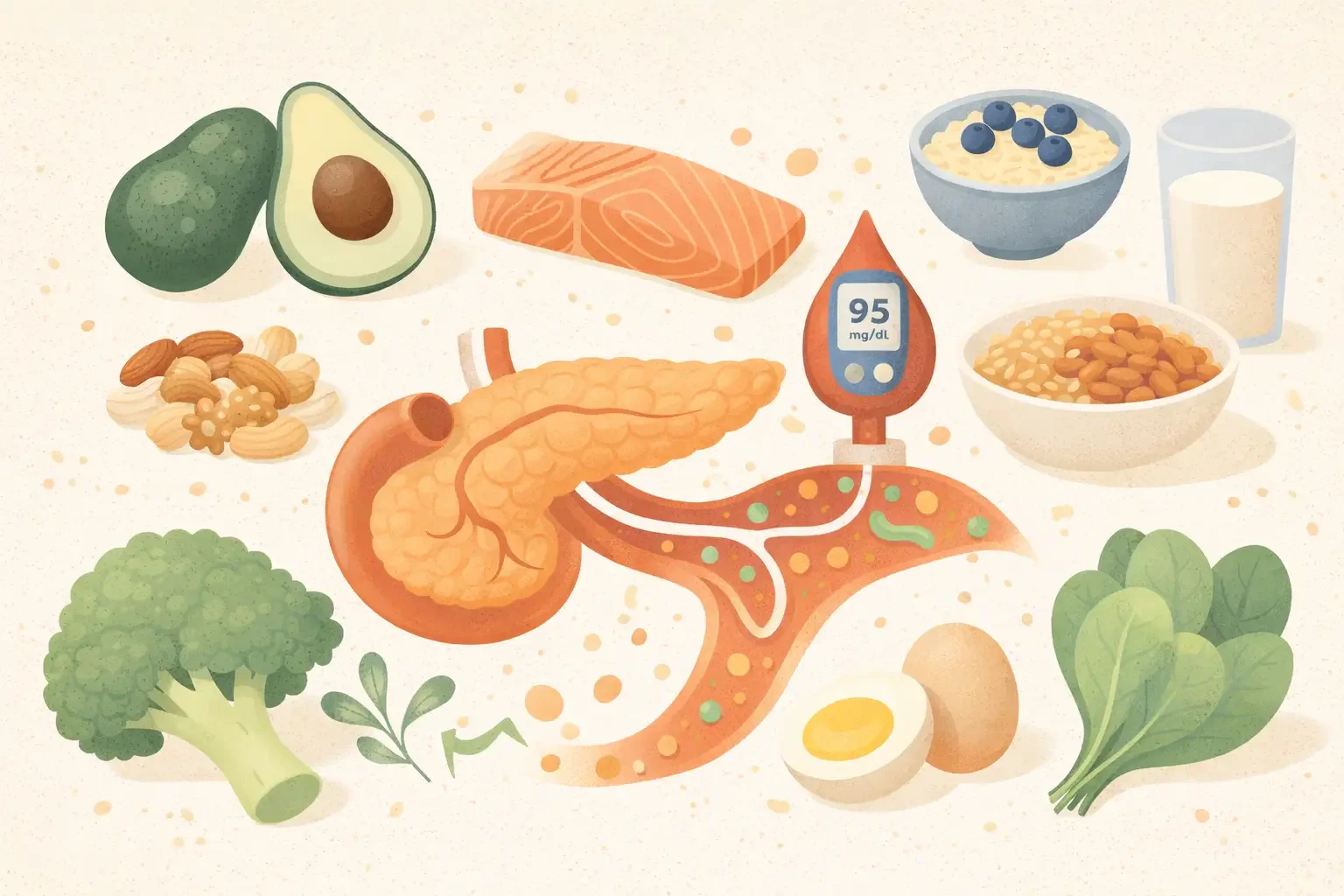
Foods That Help Keep Blood Sugar Steady
Blood sugar balance affects more than metabolism. It can shape your energy, focus, hunger, and mood throughout the day. This article explores the foods that help keep blood sugar steady, explains why they work, and offers practical ways to build satisfying meals that support more even energy and fewer crashes.

The Sweet Cost: What Sugar Is Really Doing to Your Metabolism
Sugar does more than satisfy a sweet tooth. It can influence blood sugar, insulin response, energy levels, appetite, and long-term metabolic health. This article breaks down what happens in the body when sugar intake is high and shares realistic strategies to help support a steadier, healthier metabolism.

How Insulin Resistance Develops
Insulin resistance develops gradually, often long before blood sugar becomes a clear problem. This article explains what is happening in the body, why it matters, and the everyday habits that can help improve insulin sensitivity.

The Blood Sugar & Energy Connection: Why Your “Afternoon Crash” Isn’t Random
Ever wonder why your energy crashes in the middle of the day or why you feel shaky, foggy, or suddenly hungry not long after eating? Blood sugar may be playing a bigger role than you think. This article explores the connection between blood sugar and energy, what causes spikes and dips, and how balanced meals, better sleep, movement, and simple daily habits can help you feel more steady, focused, and satisfied.
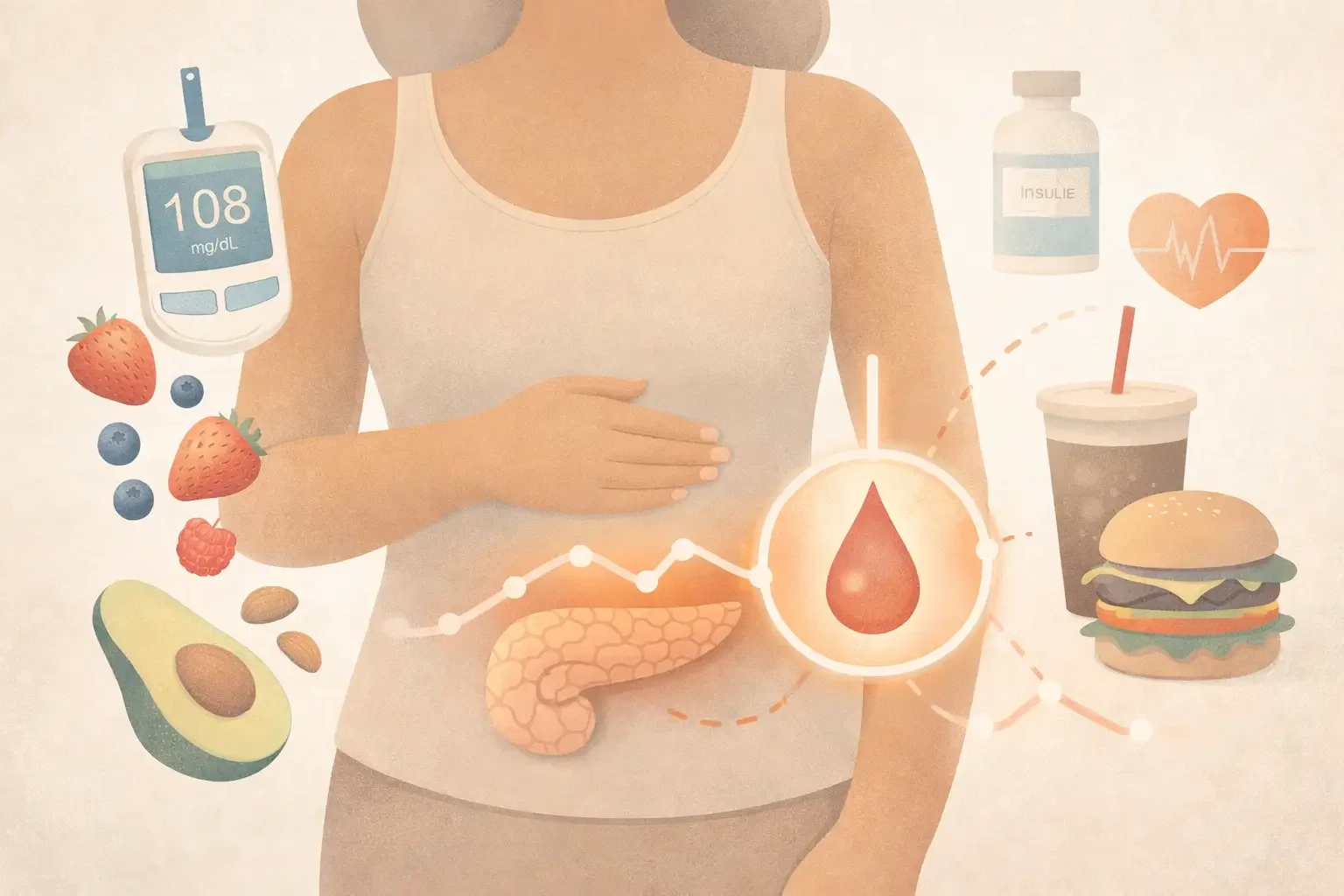
Why Blood Sugar Matters Even If You’re Not Diabetic
Blood sugar is not just a concern for people with diabetes. It plays a major role in everyday energy, appetite, mood, and long-term metabolic health. Here’s why it matters more than most people realize—and what you can do to keep it steady.
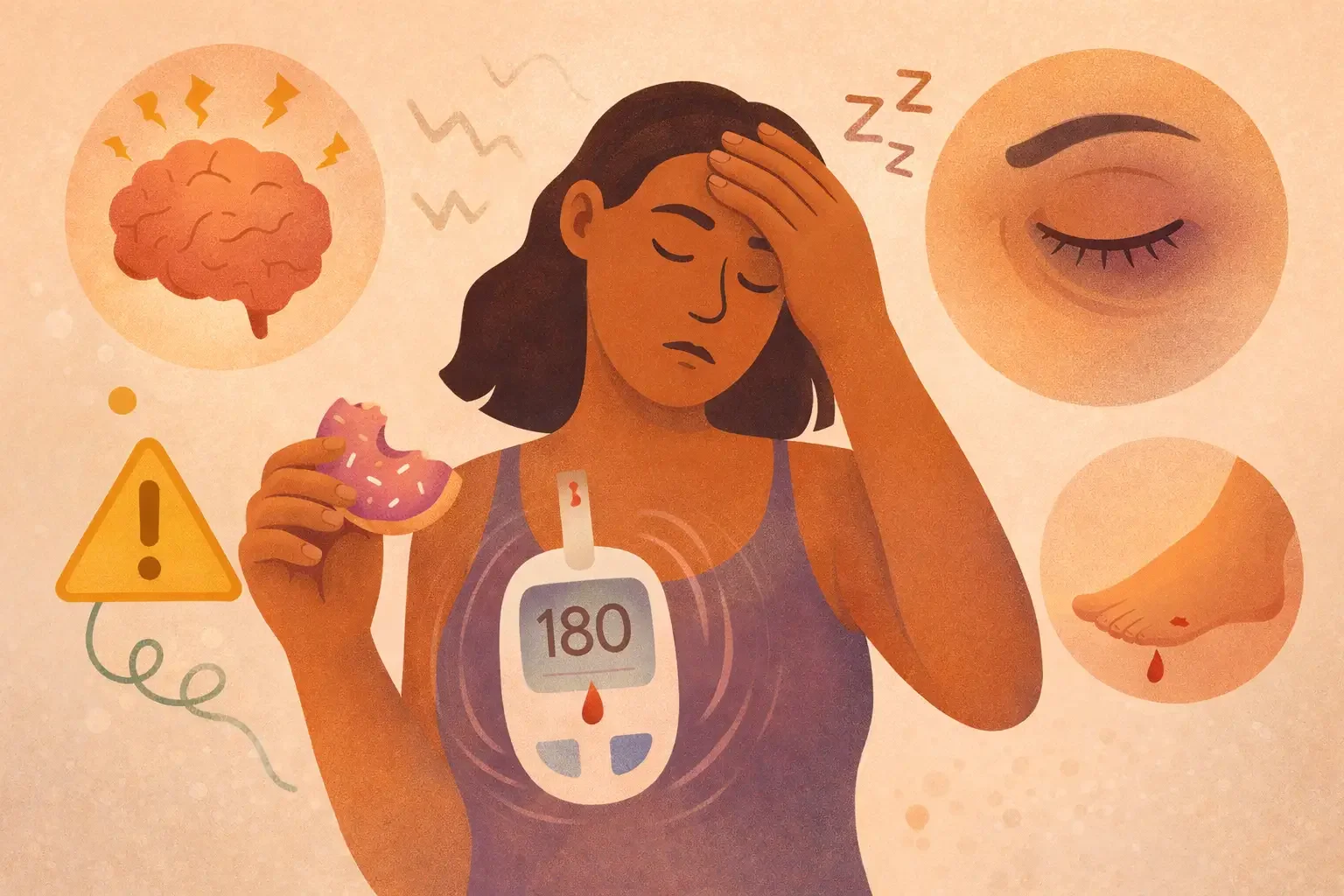
Hidden Signs of Blood Sugar Imbalance
Blood sugar imbalance does not always look dramatic. It can show up as fatigue, cravings, irritability, brain fog, and energy crashes that seem easy to dismiss. This article explores the subtle signs, what they may mean, and practical ways to support steadier blood sugar throughout the day.
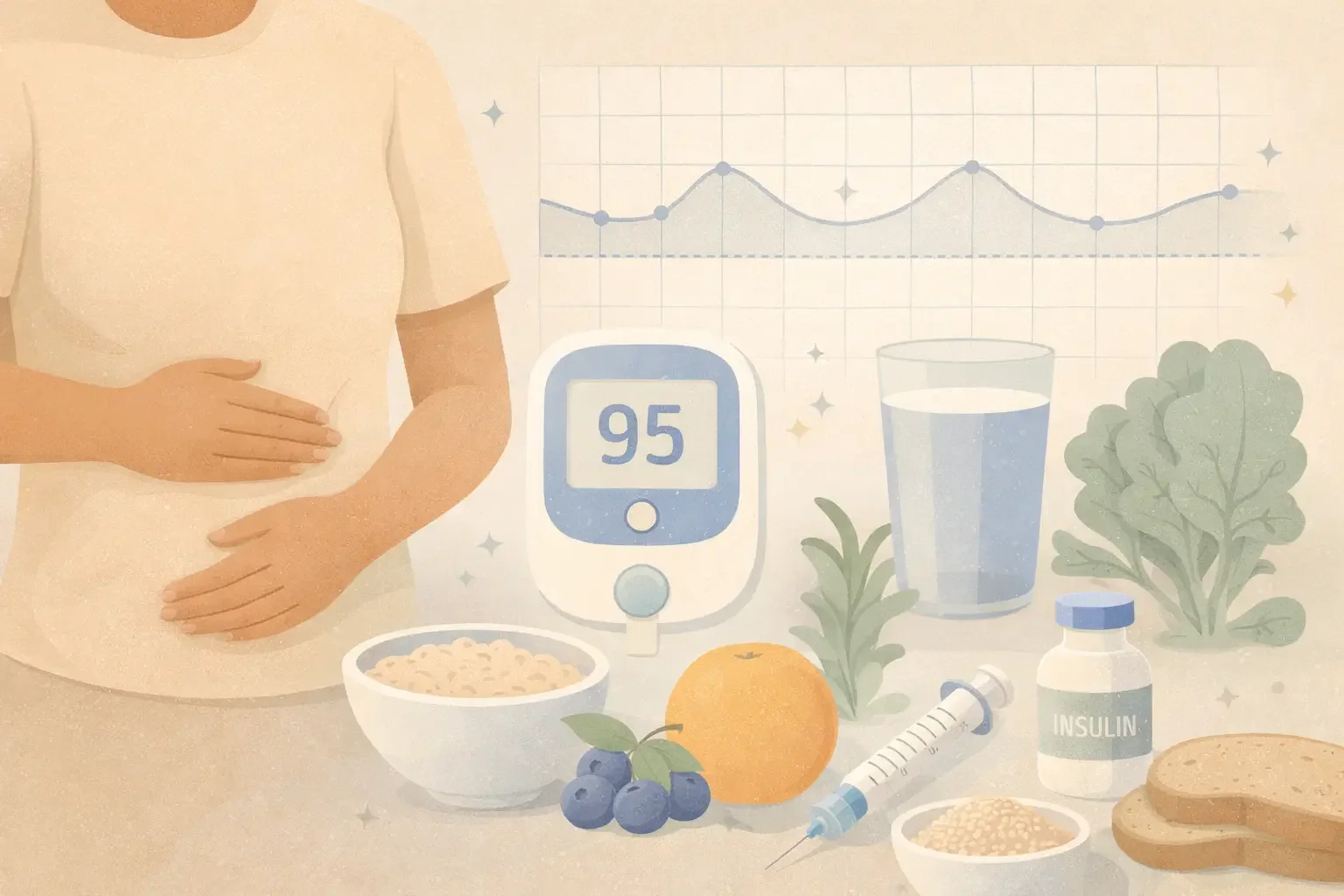
The Science of Stable Blood Sugar
Blood sugar stability affects far more than glucose levels. It can shape your energy, mood, focus, cravings, and how satisfied you feel after meals. In this article, we unpack the science behind blood sugar balance and share practical, realistic strategies to help you feel steadier throughout the day.

What Your Body Is Really Doing During a Blood Sugar Spike
Blood sugar spikes can leave you tired, hungry, foggy, and craving more food soon after you eat. In this article, learn what happens inside your body during a spike, why it matters for metabolic health, and the simple daily habits that can help keep blood sugar more steady.