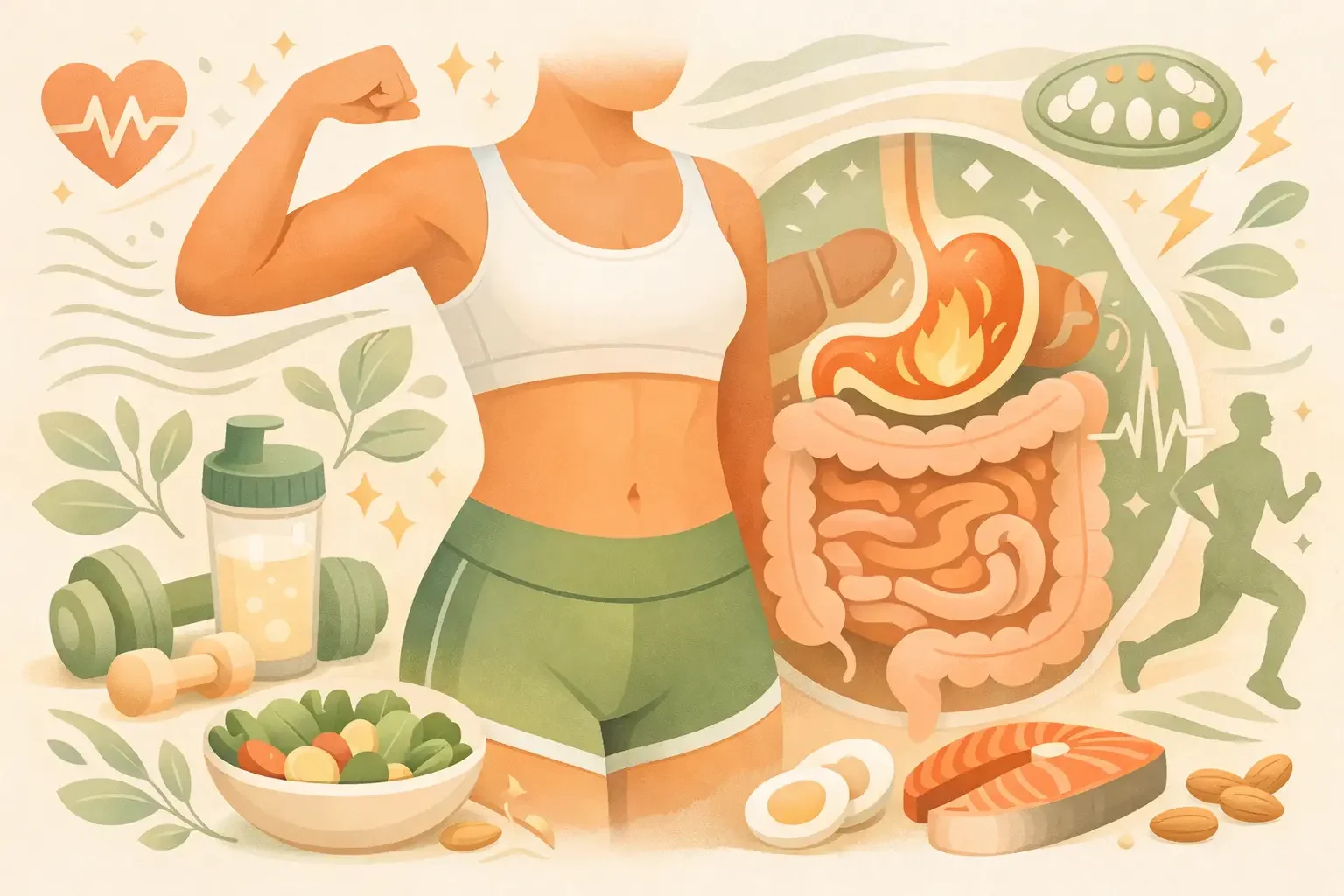
Why Muscle Mass Matters for Metabolism
Muscle does far more than shape your body. It supports metabolism, helps regulate blood sugar, boosts resilience, and plays a major role in healthy aging. Here’s why preserving muscle matters and how to support it.
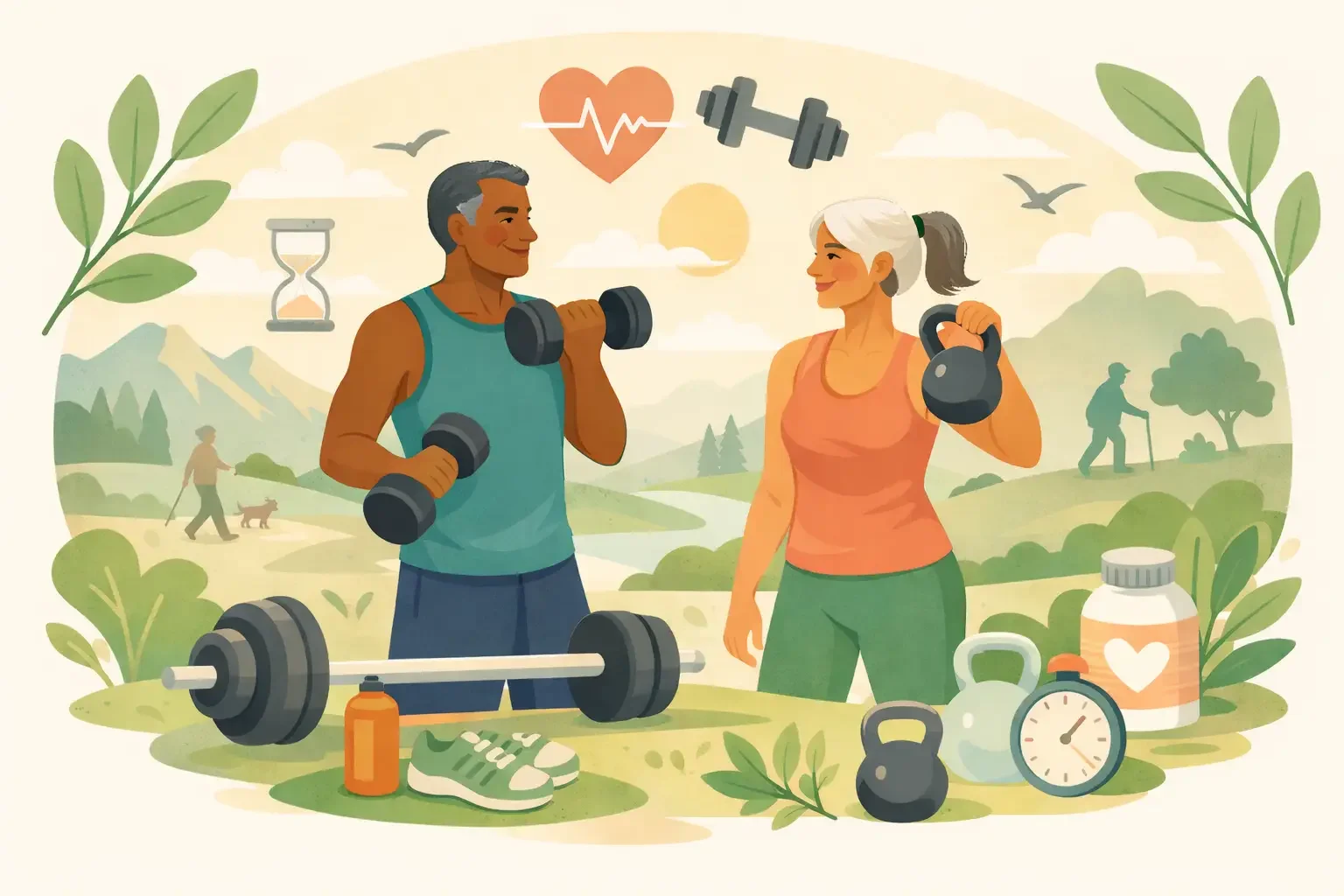
Why Strength Training Is Essential for Longevity
Strength training is not just about building muscle. It is one of the most effective ways to support longevity, protect bone health, improve balance, and maintain independence as you age. Here is why it deserves a central place in any healthy aging routine.
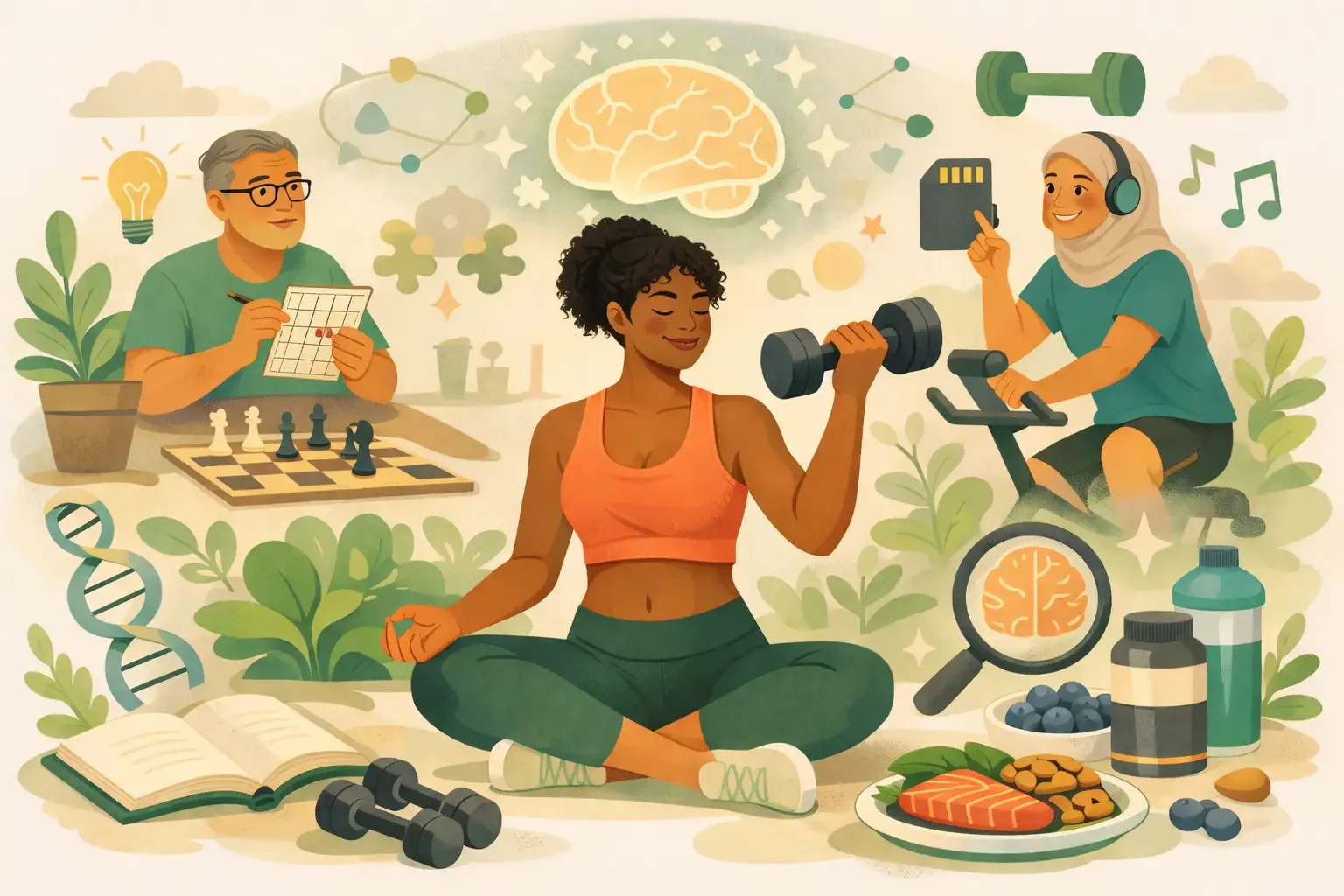
Your Brain Has a Gym Problem (And Lifting Weights Is the Solution)
You already know strength training builds muscle. What most people don't realize is that it's also one of the most powerful things you can do for your brain. From boosting memory and focus to reducing dementia risk, here's what the science actually says about lifting weights and long-term cognitive health.
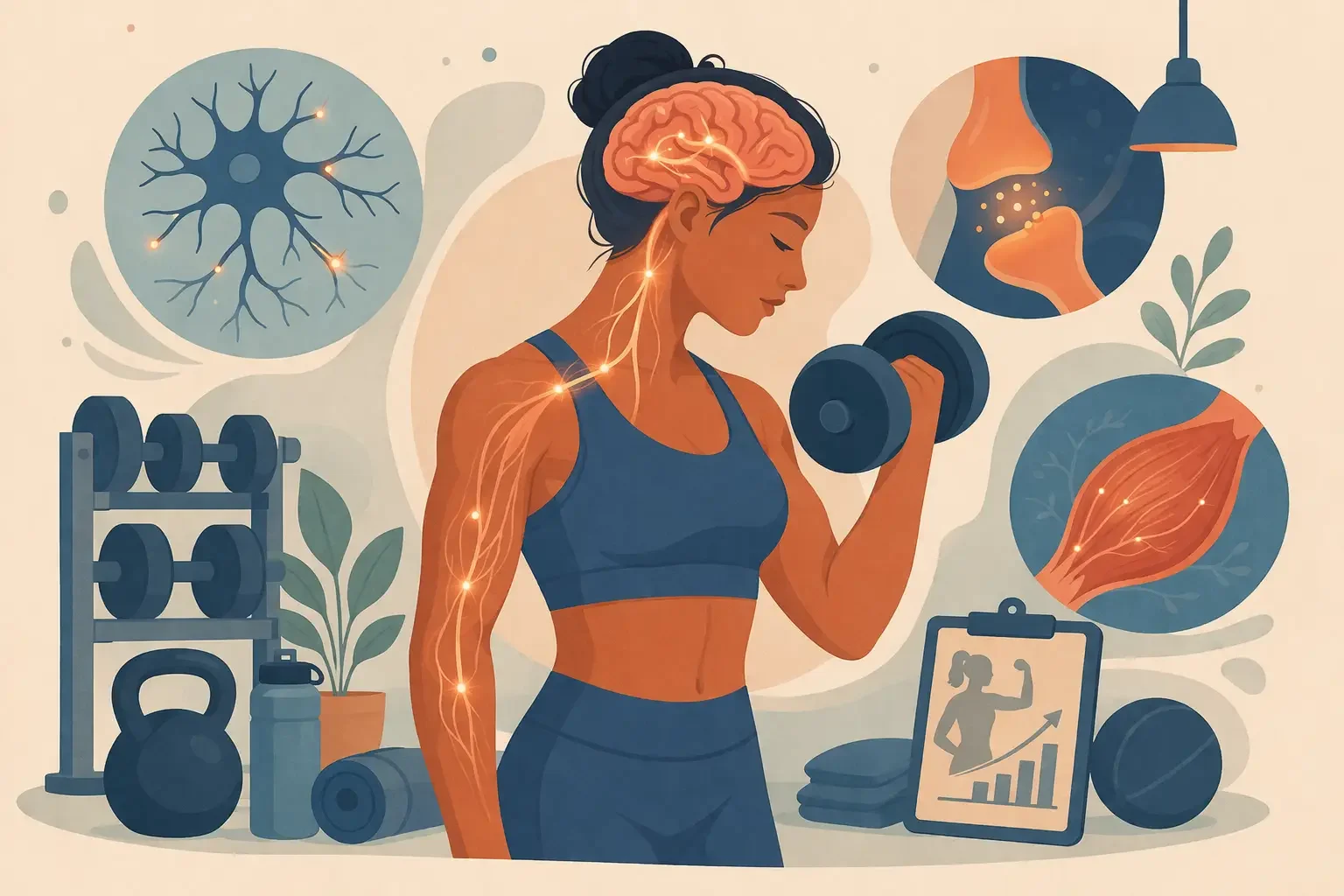
Your Brain Is the Strongest Muscle You’ve Never Trained
Most people think getting stronger is about building bigger muscles. But the first and most dramatic strength gains happen entirely in your nervous system, before a single muscle fiber grows. Understanding the neurology of strength changes how you train, recover, and progress. Here's what's actually happening inside your brain every time you lift.
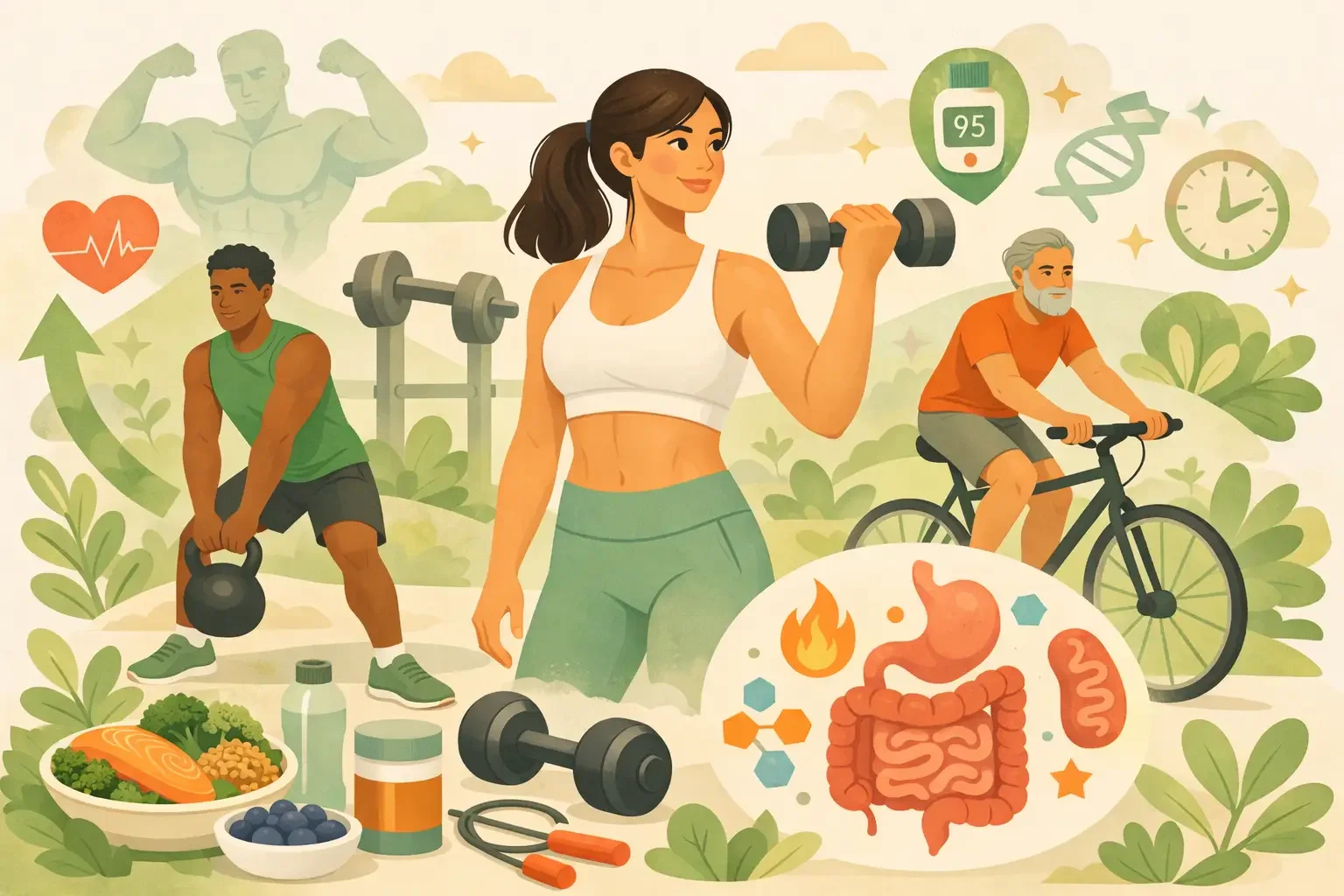
Your Muscles Are a Metabolic Organ: It's Time to Train Them Like One
Fewer than 15% of American adults are fully metabolically healthy. Strength training is one of the most effective interventions available, but most people still aren't using it. Here's the evidence, and a practical guide to getting started.
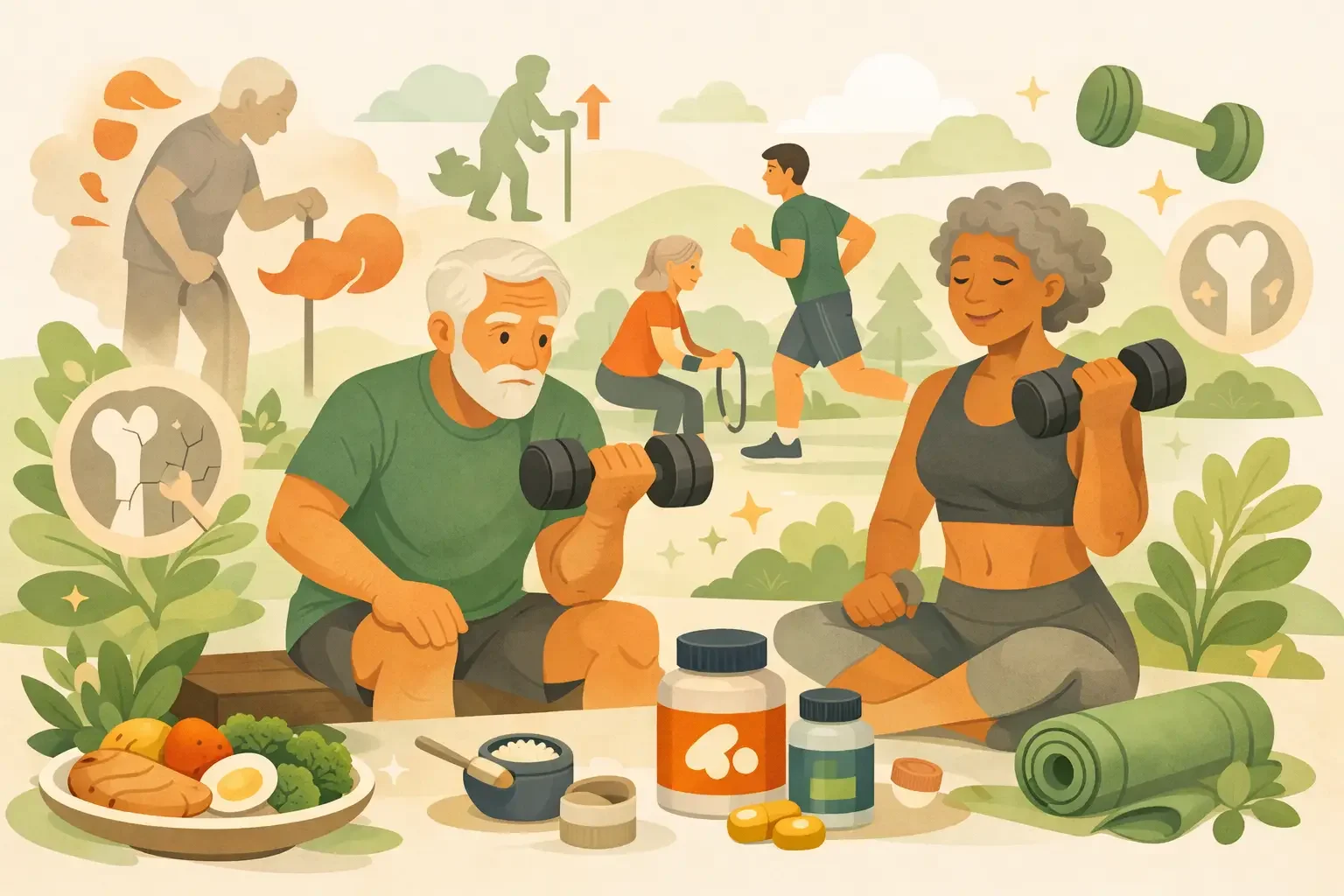
Your Muscles Are Quietly Quitting: Here’s How to Stop Them
Starting in your mid-30s, your body quietly begins losing muscle mass, and most people don't notice until the damage is done. Sarcopenia, the age-related loss of muscle, is linked to falls, metabolic disease, cognitive decline, and loss of independence. The good news? It's one of the most controllable aspects of aging. This article breaks down the science of why it happens and exactly what you can do about it.