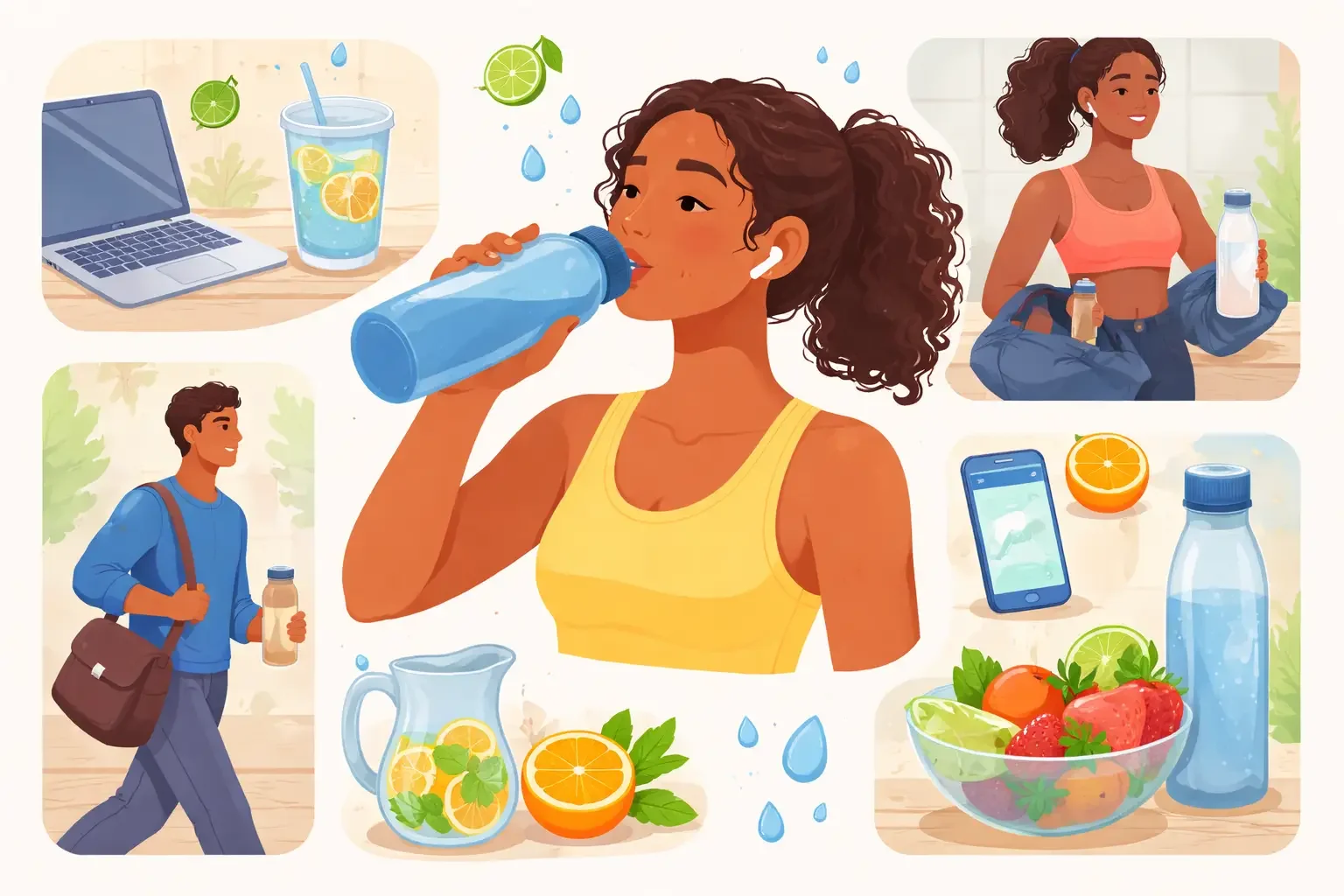
Hydration Strategies for Busy Lives
Staying hydrated does not have to be another overwhelming wellness task. This article breaks down simple, practical hydration strategies for busy lives, with realistic tips to support energy, focus, and everyday health.
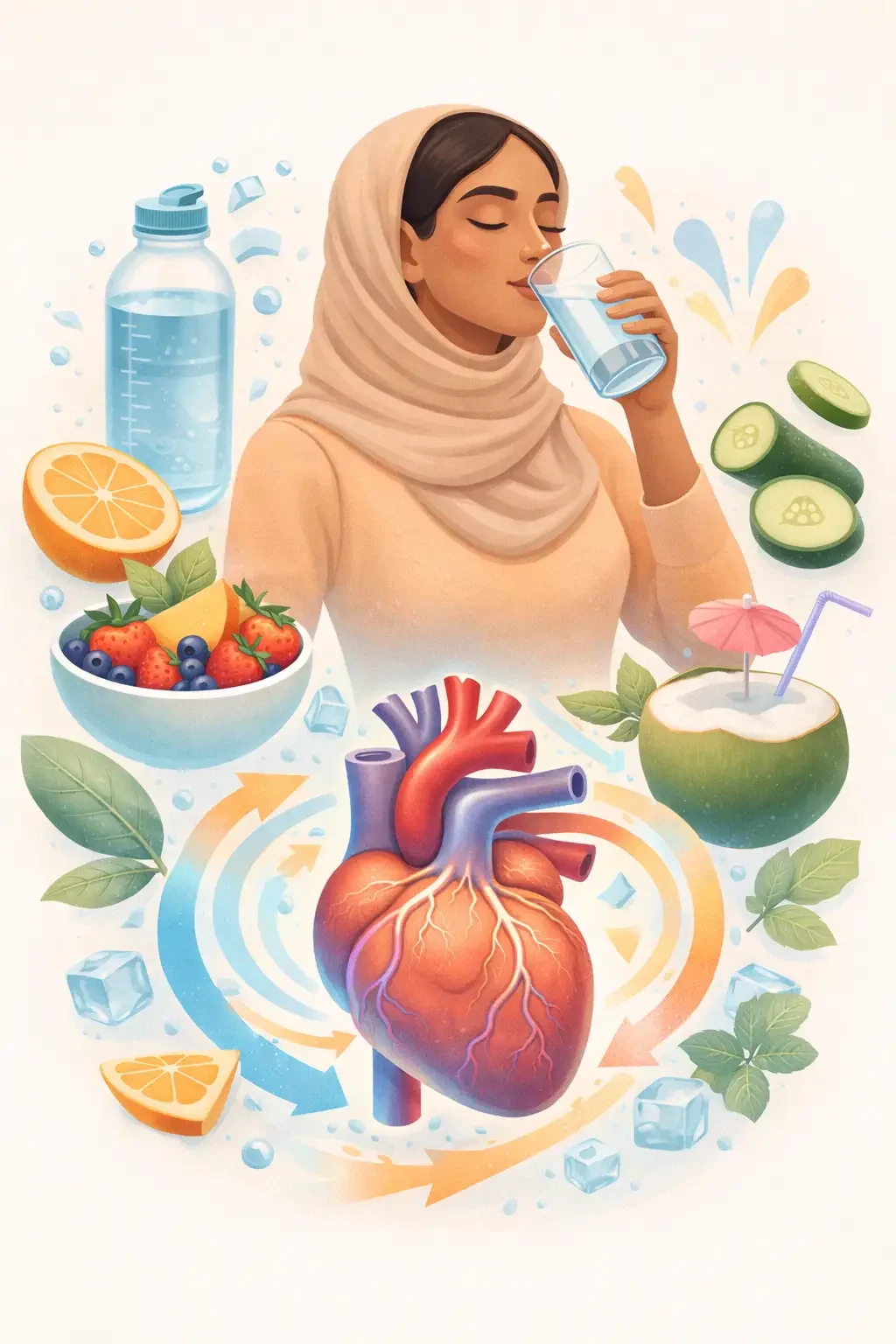
Hydration and Circulation: The Everyday Link Your Body Notices Fast
Hydration does more than relieve thirst. It helps maintain blood volume, supports healthy circulation, and makes it easier for your heart to deliver oxygen and nutrients where they are needed most. Here is how better hydration can support energy, comfort, and everyday wellness.
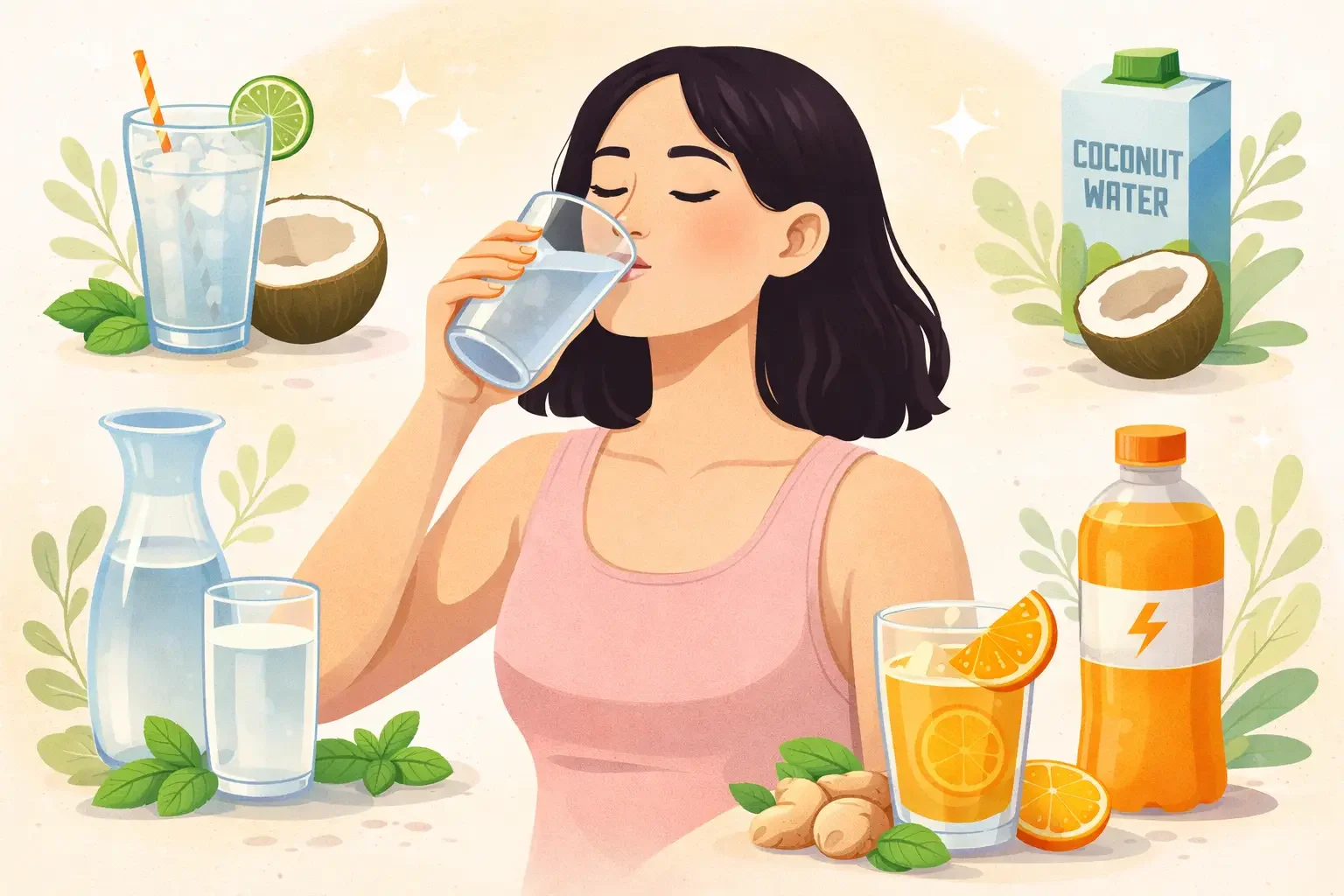
The Best Fluids for Rehydration
Not all fluids hydrate the body in the same way. This article explains the best drinks for rehydration, when water is enough, and when electrolytes, broth, milk, or oral rehydration solutions may work better.
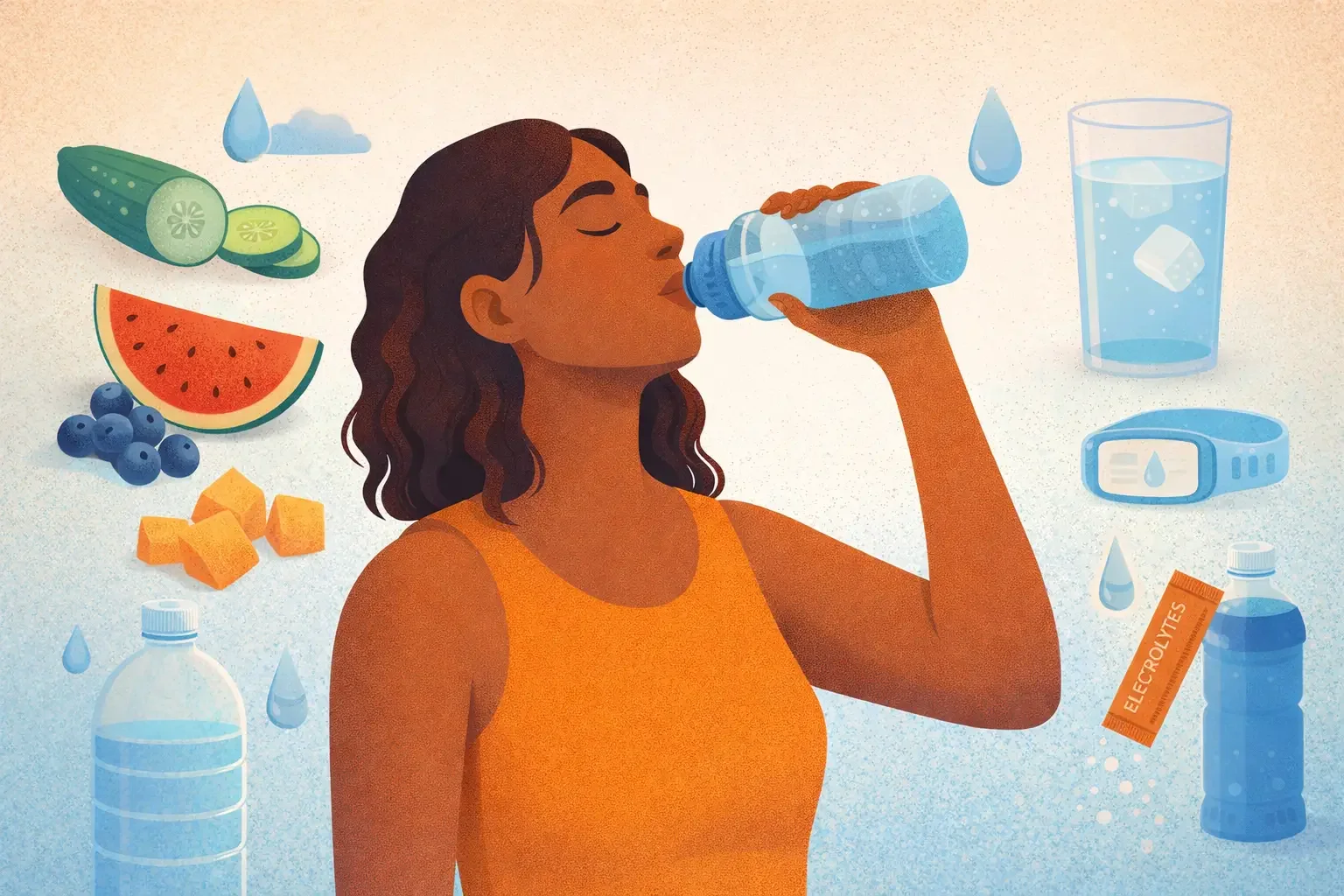
How to Optimize Hydration for Health
Hydration affects energy, focus, digestion, exercise performance, and overall well-being more than many people realize. This article explores how to optimize hydration for health with realistic, science-based advice on fluids, electrolytes, daily routines, and simple lifestyle habits that help you stay balanced and feel better.
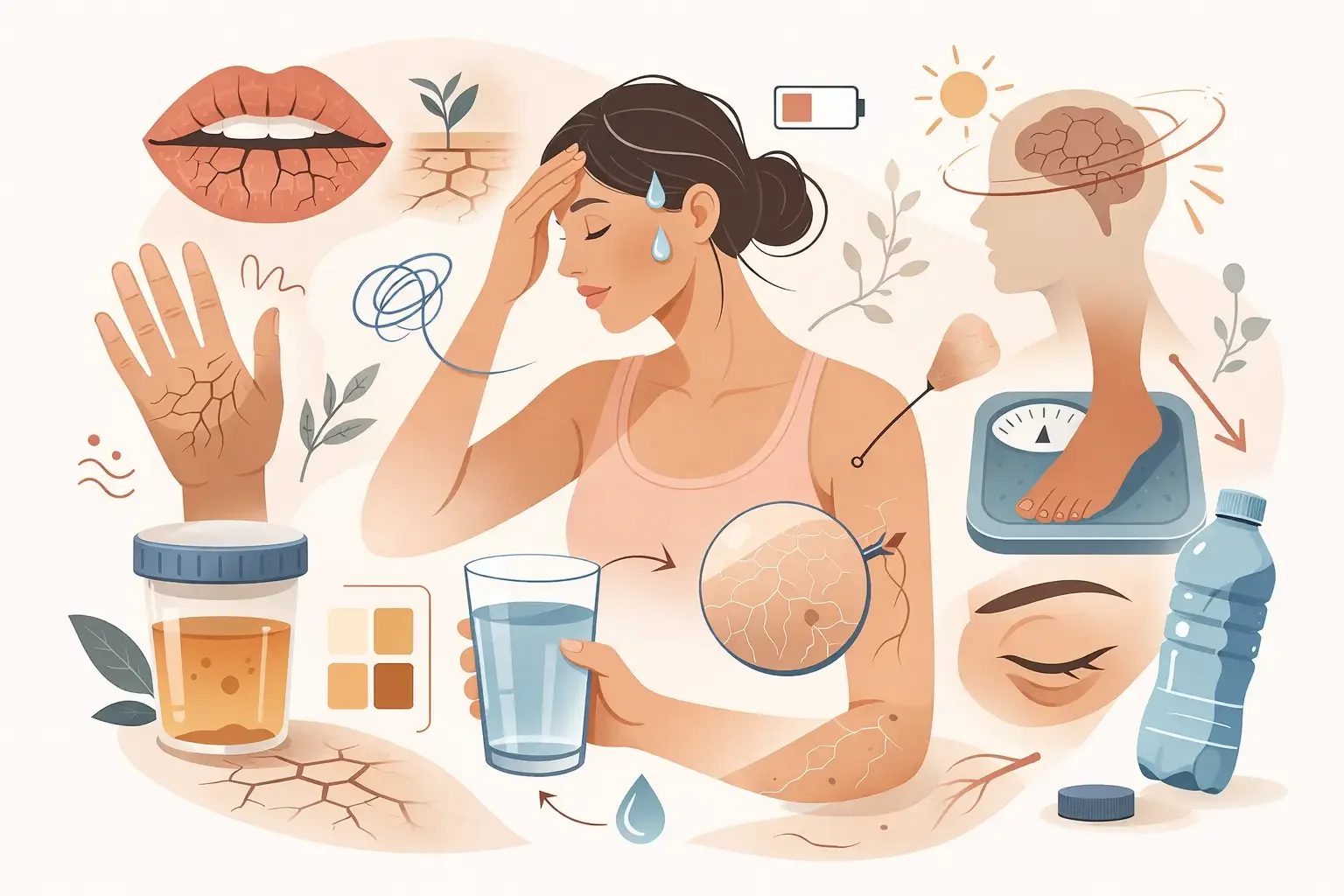
Signs of Chronic Dehydration
Chronic dehydration is often easy to miss because the symptoms can feel surprisingly ordinary. From dark urine and dry mouth to fatigue, headaches, and brain fog, this article explains the subtle signs your body may need more fluid — plus simple, practical ways to stay better hydrated.
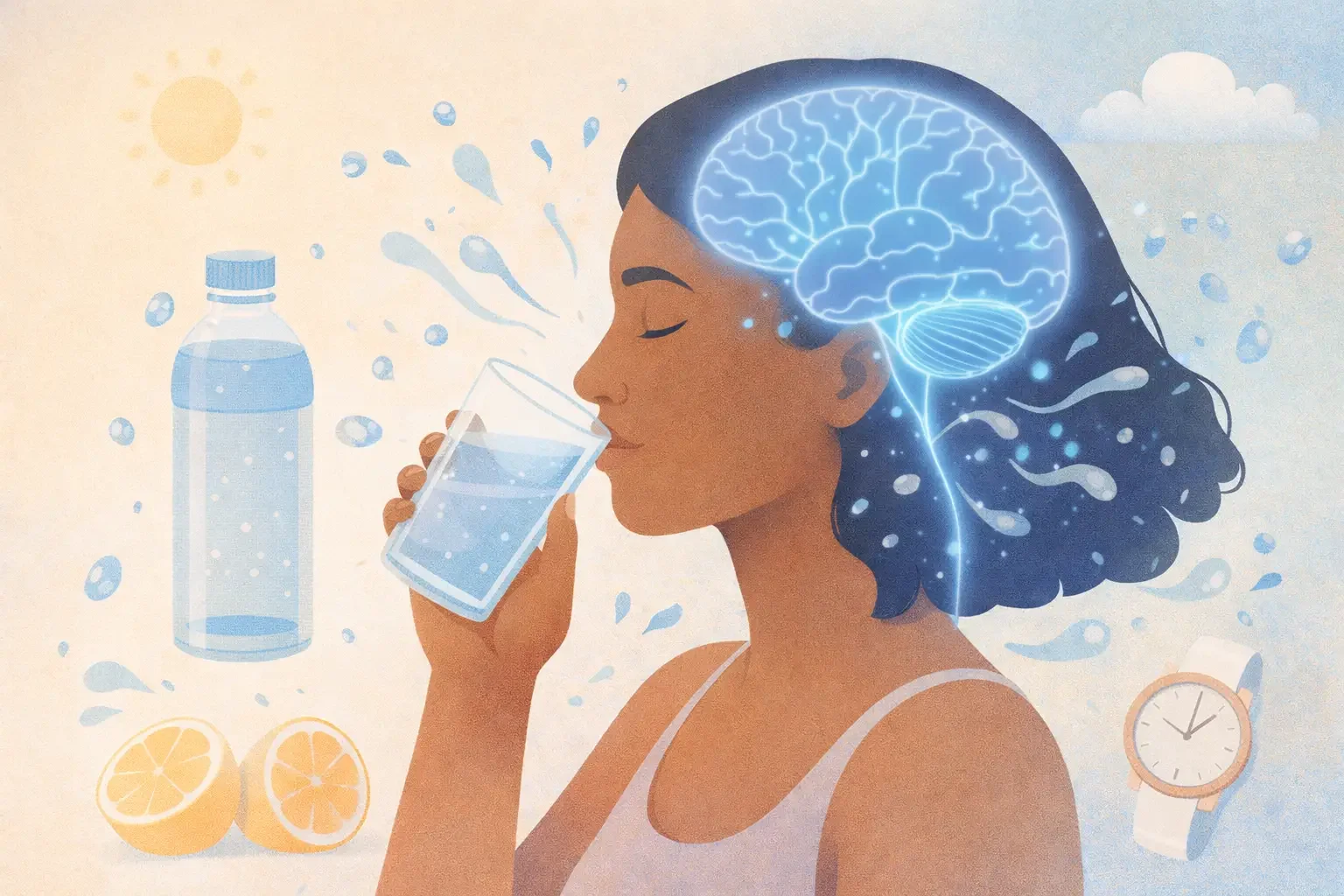
Hydration & Cognitive Performance
Hydration does more than support physical health. It also plays a meaningful role in focus, memory, mood, and mental stamina. This article explores how fluid balance affects cognitive performance and offers simple, practical strategies to help you stay mentally sharp throughout the day.
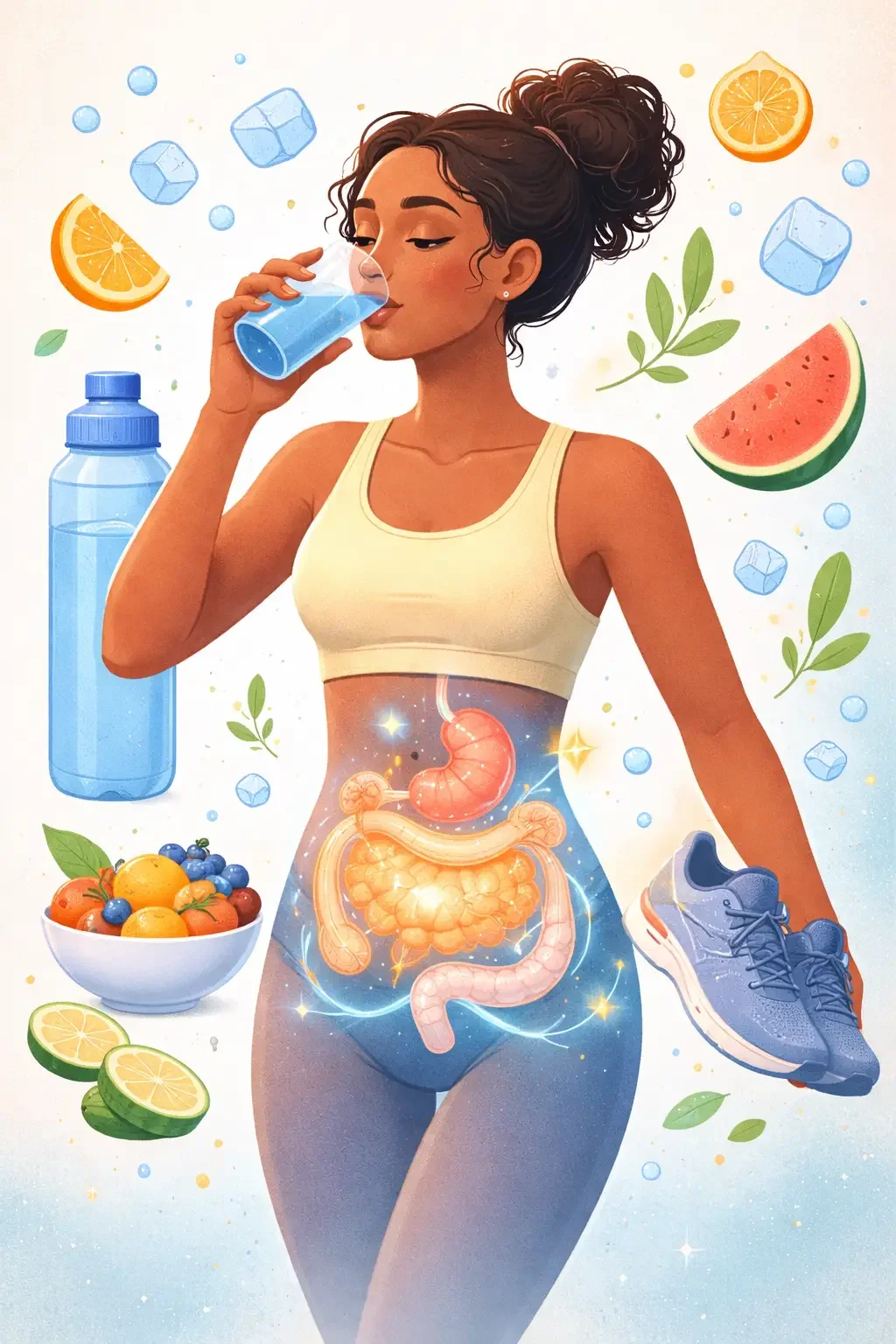
Why Hydration Matters for Metabolism
Hydration does more than quench thirst. It supports metabolism by helping the body produce energy, transport nutrients, regulate temperature, and perform at its best. Here’s why water matters more than most people realize.
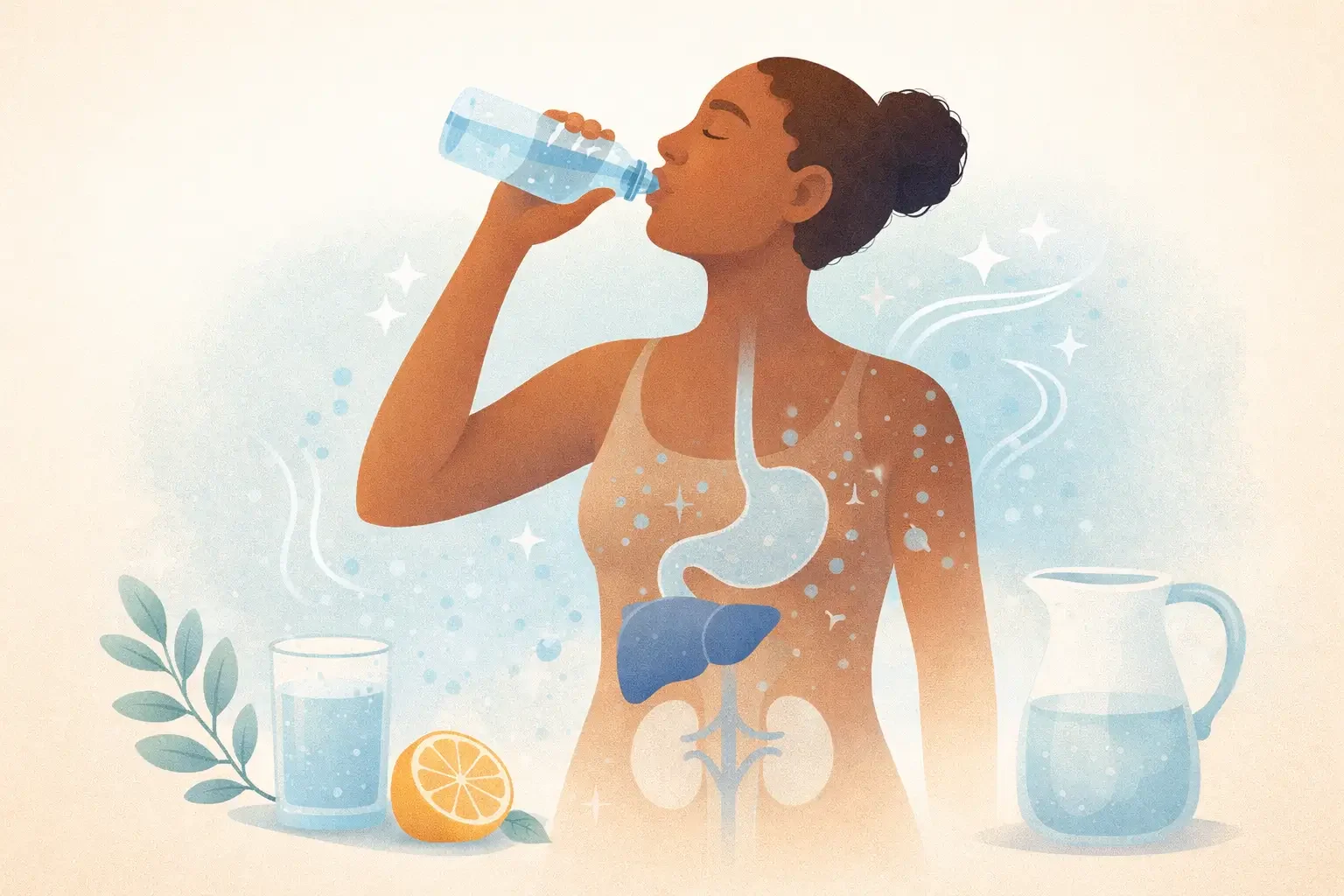
The Quiet Clean-Up Crew: How Hydration Supports Your Body’s Natural Detox Work
Hydration is one of the simplest ways to support your body’s natural detoxification systems. This article explains how water helps the kidneys, liver, and digestive tract work efficiently, while separating real science from common detox myths.
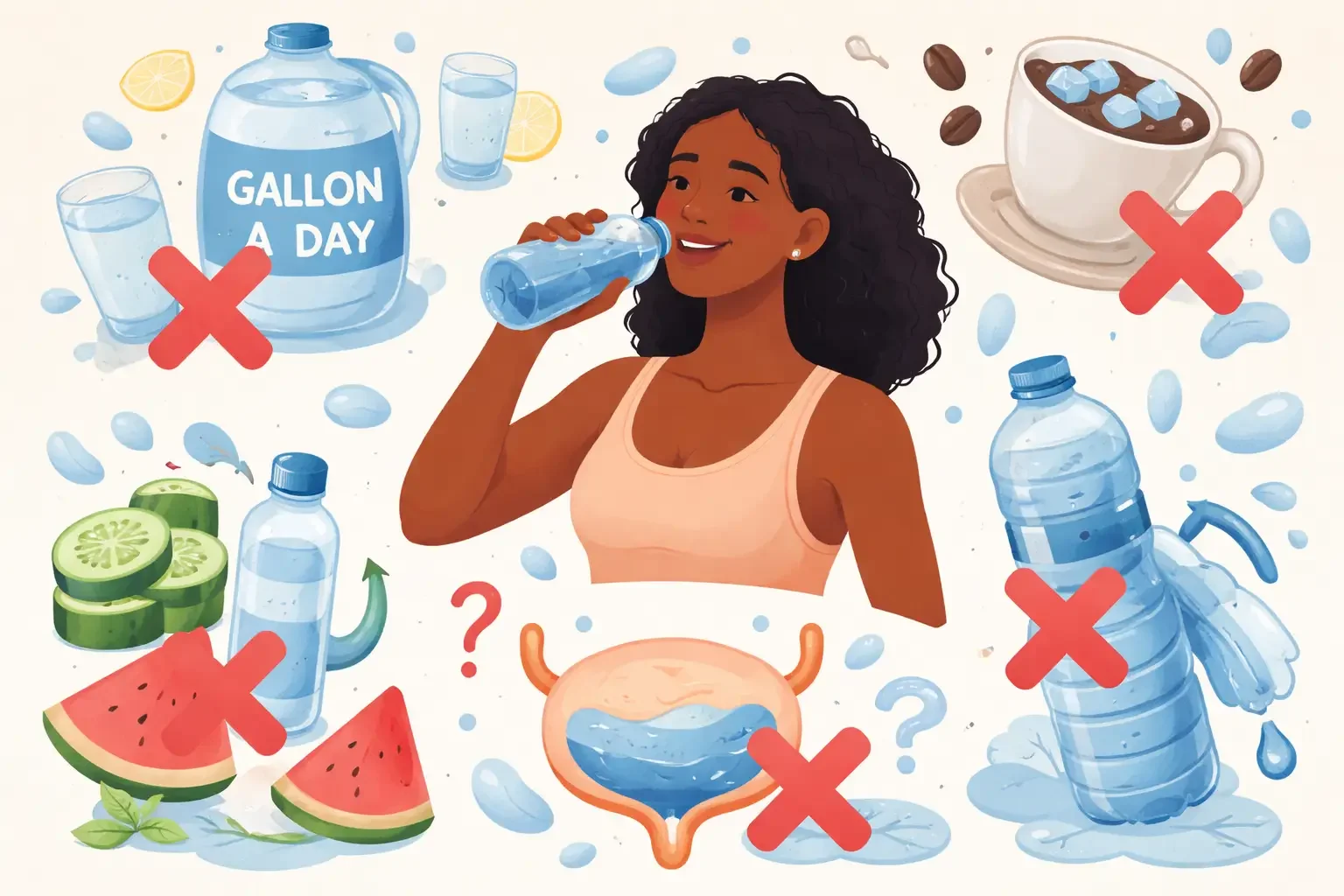
Hydration Myths That Need to Be Debunked
Hydration advice is everywhere, but a lot of it is outdated, oversimplified, or just plain wrong. This article breaks down the most common hydration myths—from the “8 glasses a day” rule to fears about coffee—and explains what your body actually needs to stay well hydrated.
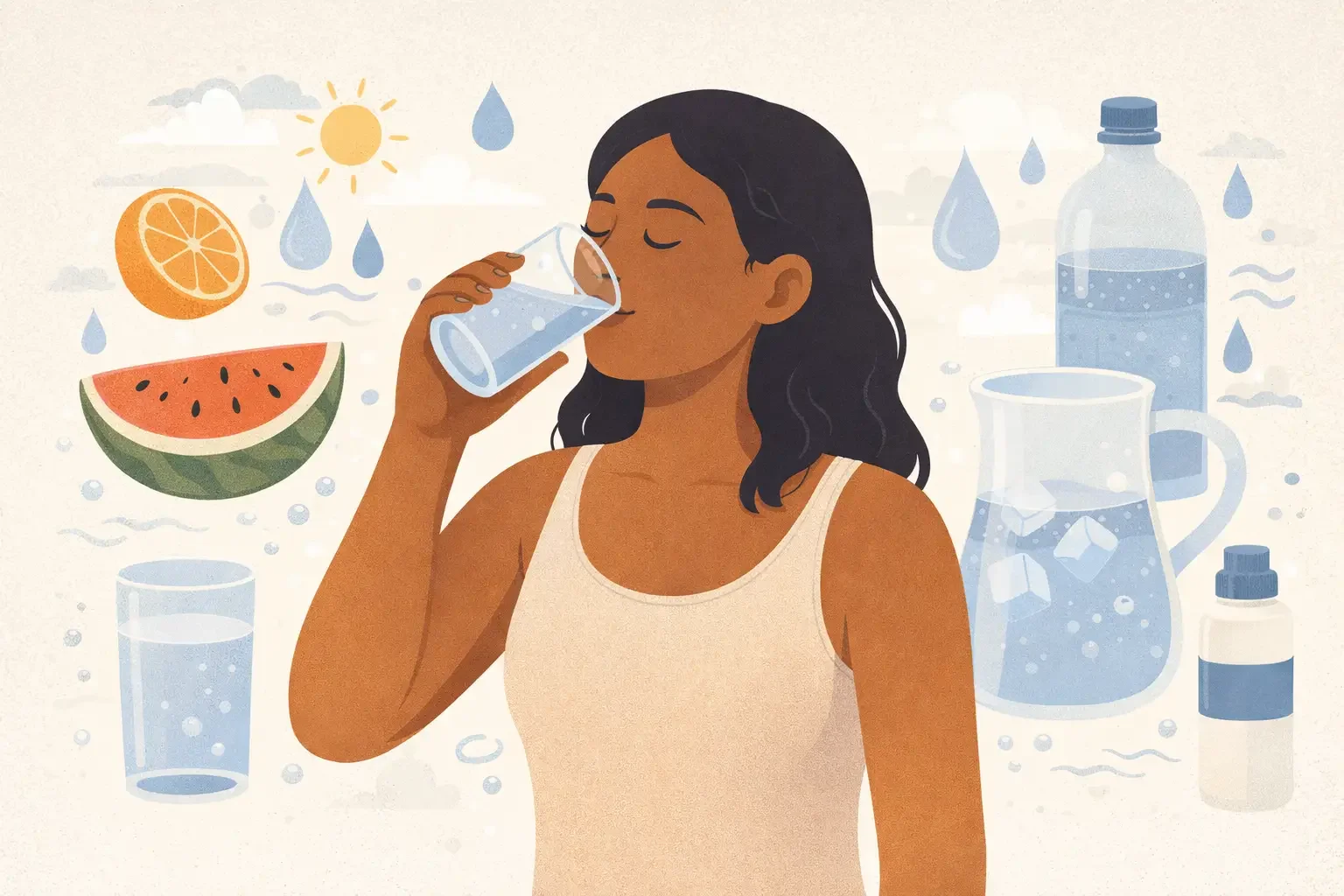
How Much Water Do You Actually Need?
How much water do you actually need each day? The answer is more personal than the old “8 glasses” rule suggests. This practical, evidence-based guide explains how hydration really works, what affects your fluid needs, and how to tell if you’re getting enough.
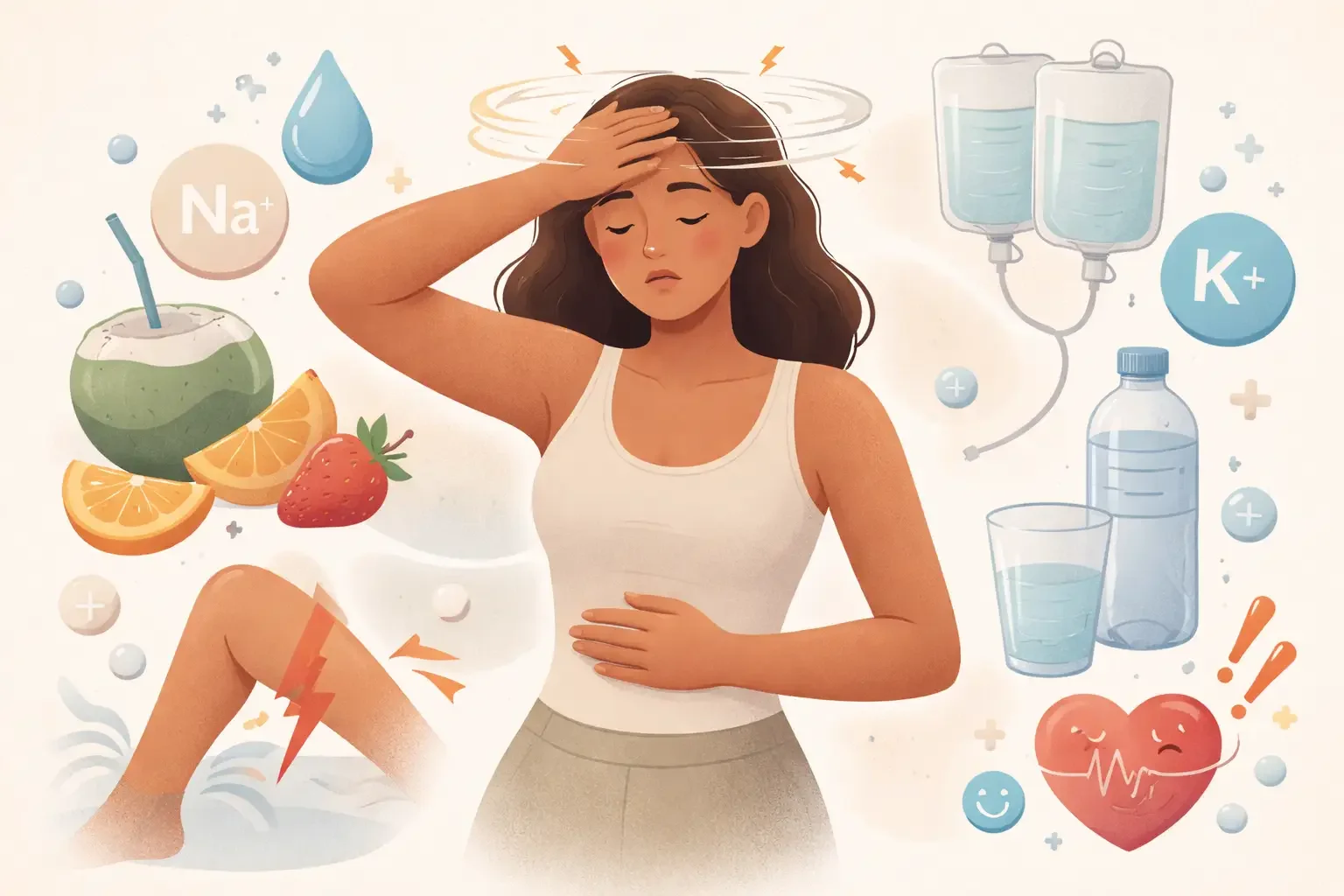
What Happens When the Body Loses Electrolyte Balance
Electrolytes do far more than support hydration. They help regulate nerve signals, muscle function, fluid balance, and heart rhythm. When levels become too low or too high, the body can respond with symptoms like fatigue, cramps, brain fog, dizziness, and more serious complications in severe cases. Here’s what electrolyte imbalance really means and how to support your body wisely.

The Glow Is Not Just Skin Deep: How Hydration Shapes Healthier-Looking Skin
Hydration plays a bigger role in skin health than many people realize. While drinking water is not a magic fix, it does support the skin barrier, texture, comfort, and overall appearance. This article explores how hydration affects the skin from the inside out, along with practical ways to support a healthier, more resilient complexion.
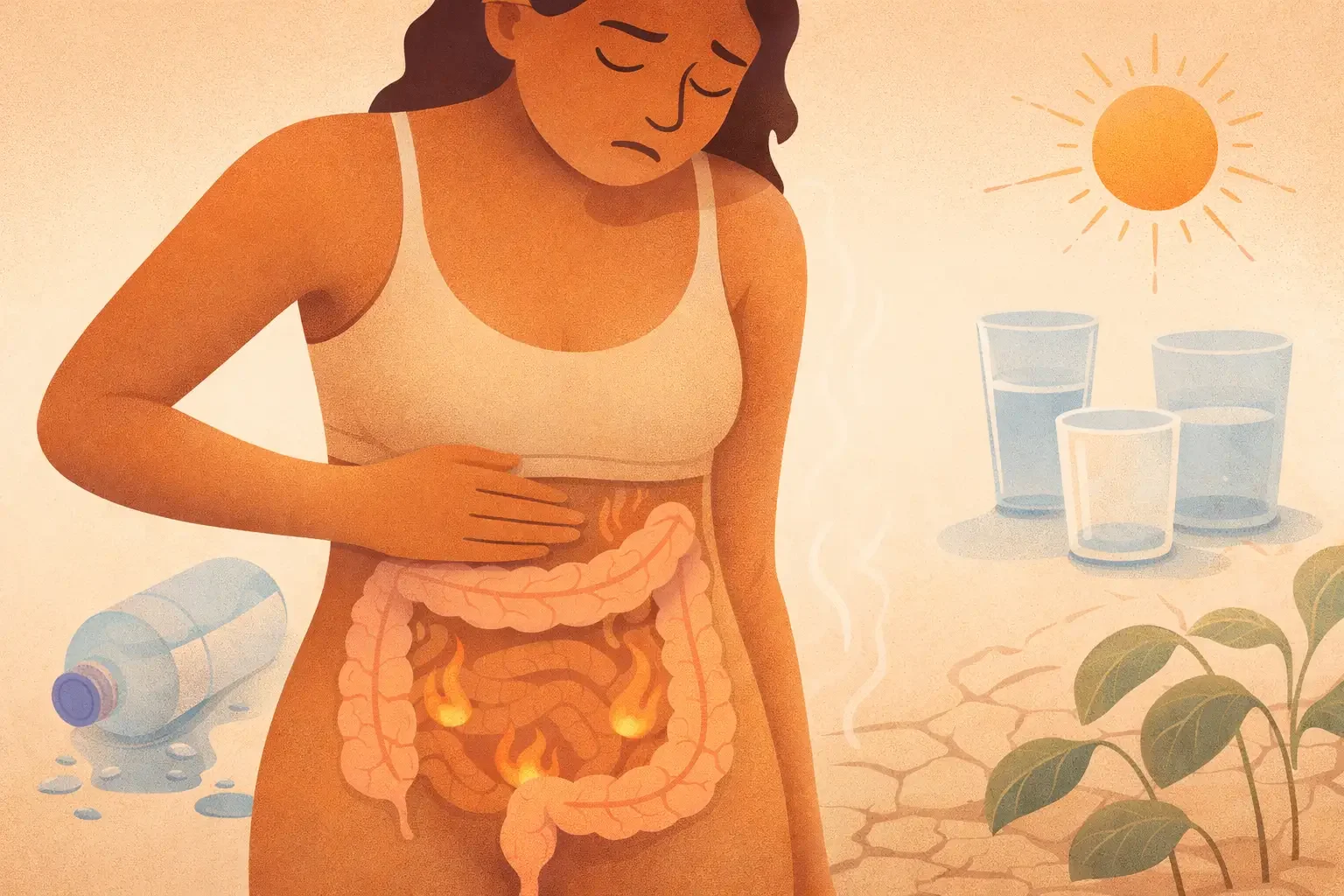
How Dehydration Impacts Digestion
Dehydration does more than make you thirsty. It can slow digestion, contribute to constipation and bloating, and leave your gut feeling uncomfortable and off balance. Here’s how it happens and what to do about it.
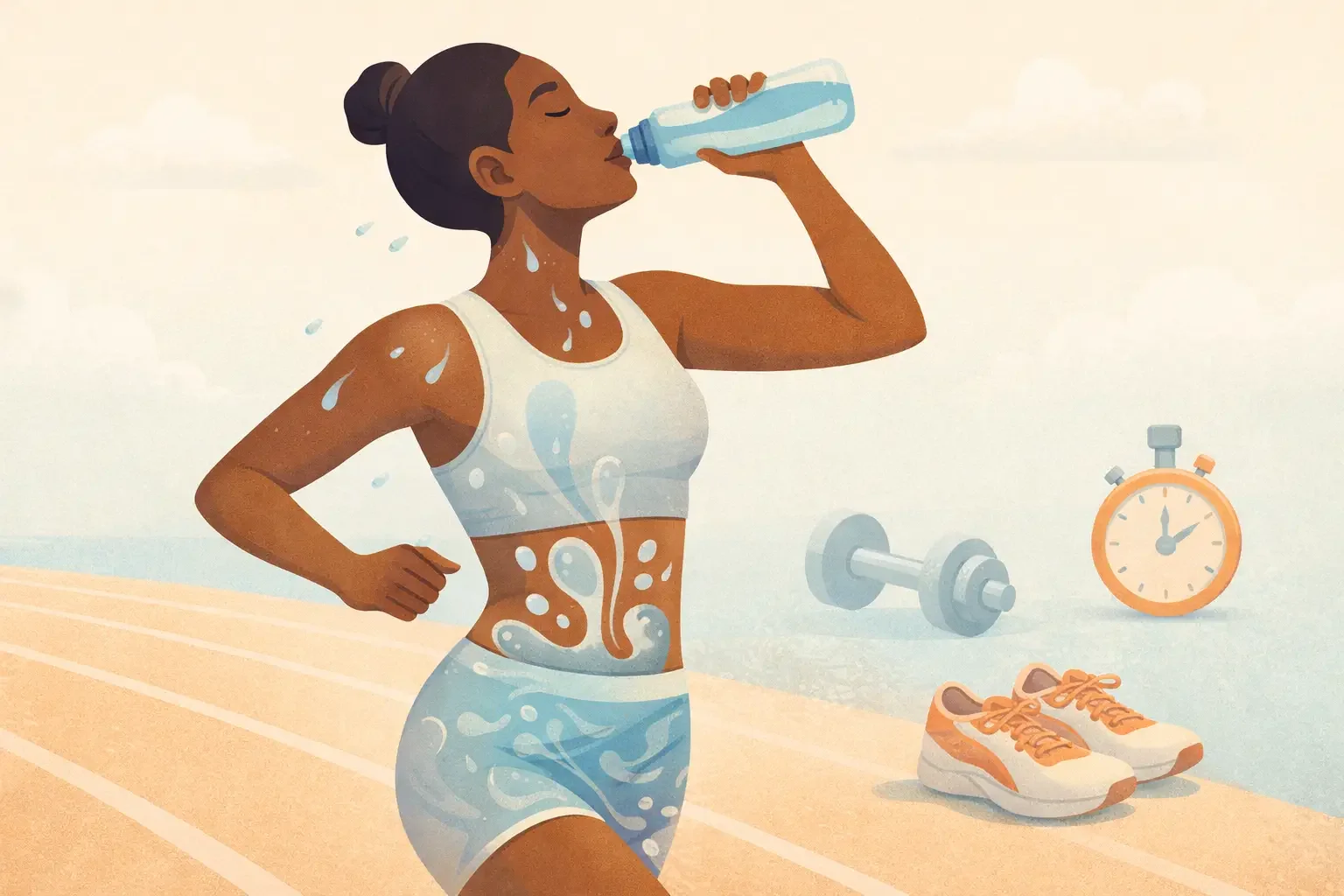
Hydration & Athletic Performance
Hydration can quietly make or break a workout. This article explores how fluid balance affects energy, endurance, temperature control, mental sharpness, and recovery—plus simple, realistic ways to hydrate better for stronger athletic performance.
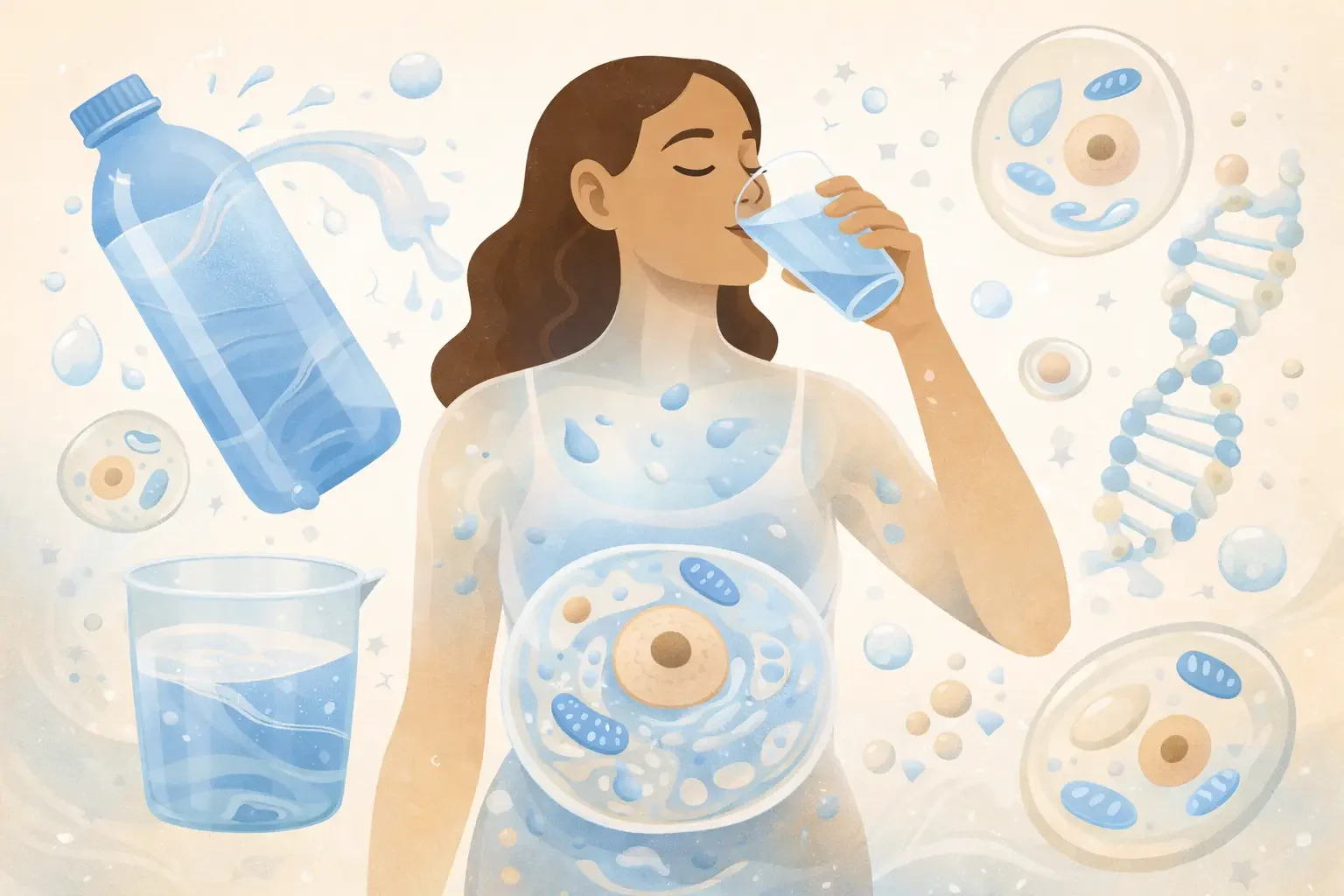
Why Water Is Essential for Cellular Health
Water does far more than quench thirst. At the cellular level, it helps transport nutrients, remove waste, support energy production, and maintain the balance your body needs to function well. This article explores why water is essential for cellular health and shares simple, practical ways to stay hydrated every day.
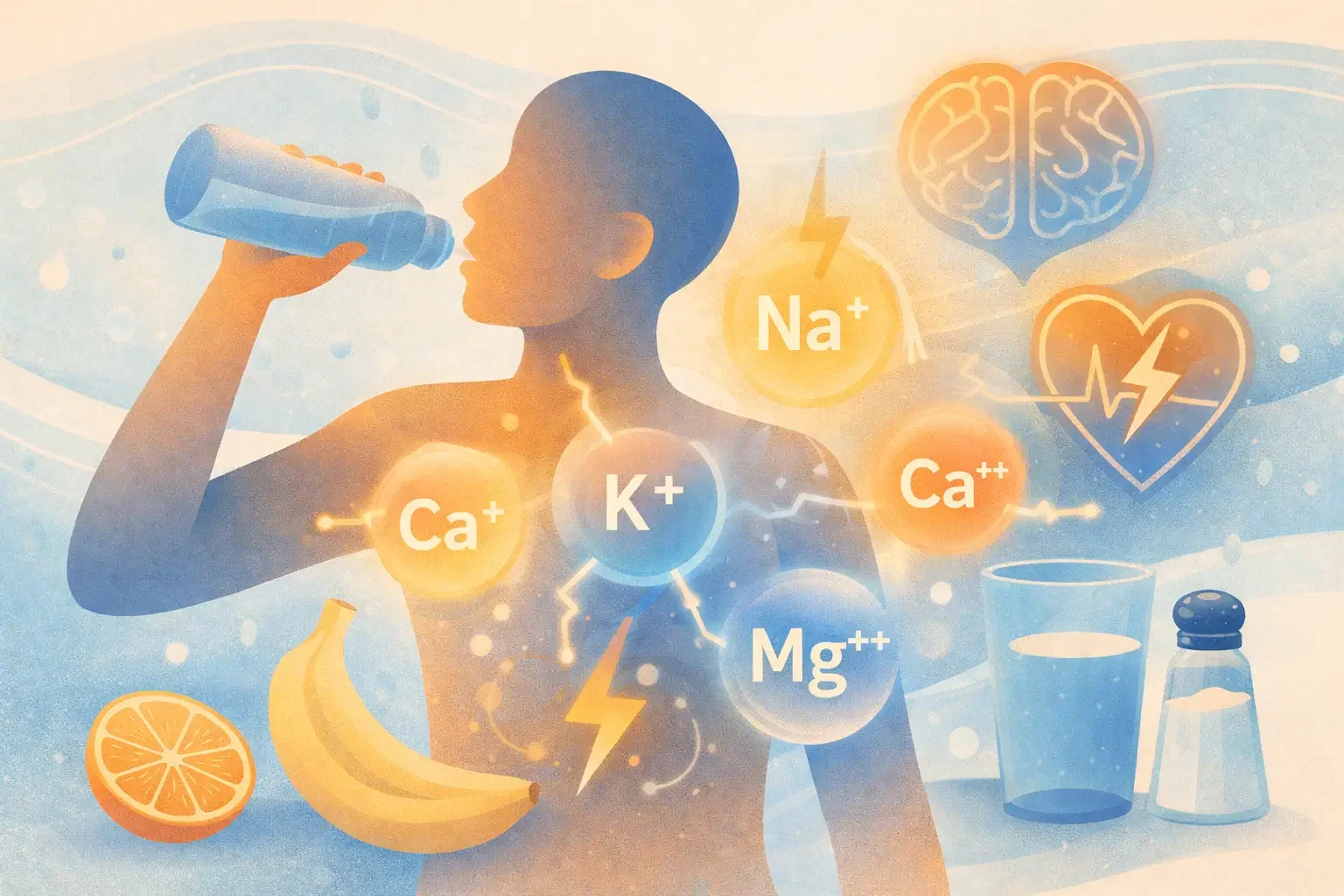
The Science of Electrolytes: Why These Tiny Minerals Matter More Than You Think
Electrolytes do far more than support sports performance. These essential minerals help regulate hydration, nerve signals, muscle contractions, and heart rhythm, making them a key part of everyday health.
How Hydration Shapes Your Energy, Focus, & Stamina
Hydration does more than quench thirst. It plays a major role in energy, concentration, mood, and physical endurance. This article explains how even mild dehydration can leave you feeling tired or unfocused, and shares practical ways to stay hydrated for steadier energy throughout the day.
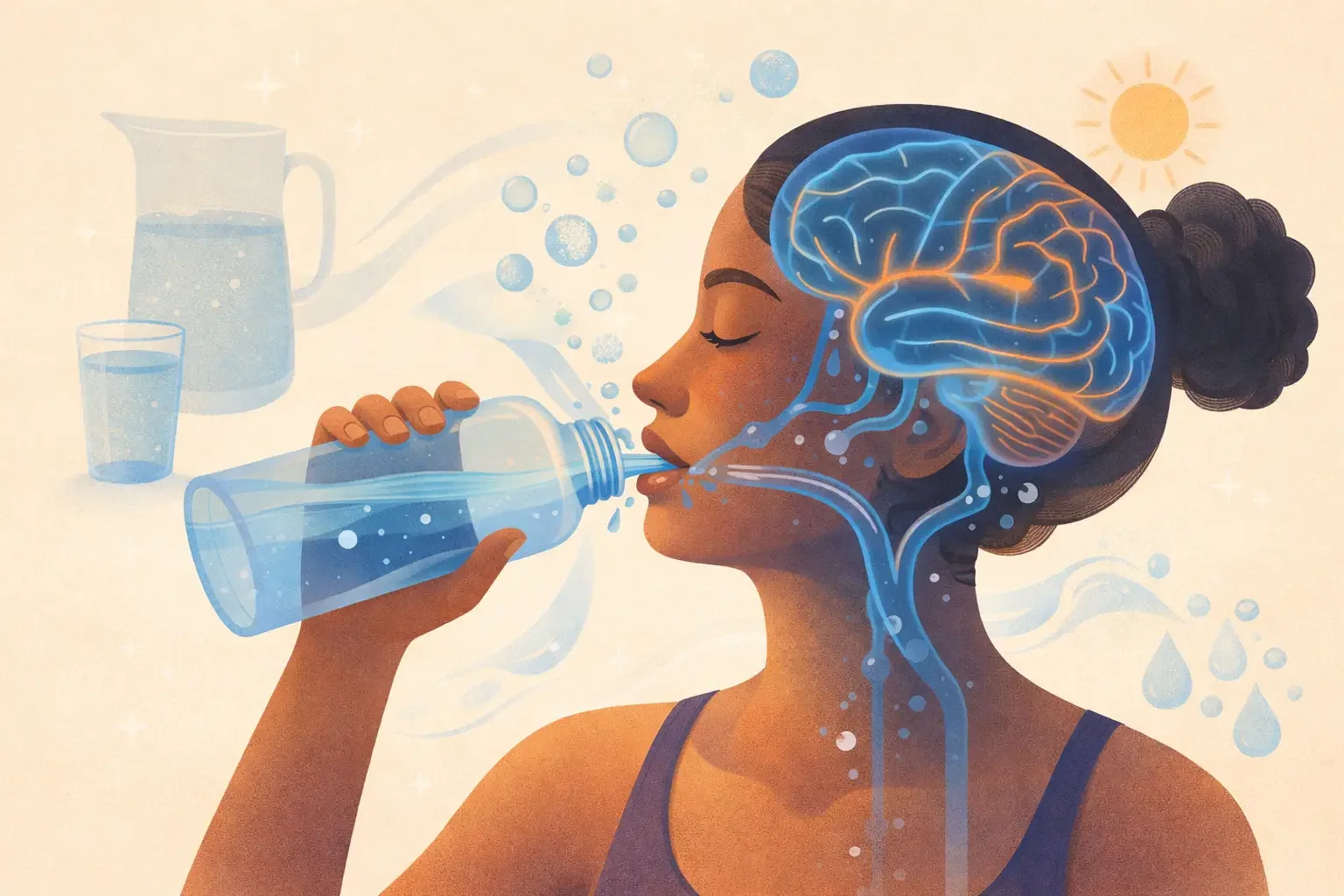
The Role of Hydration in Brain Function
Hydration does far more than quench thirst—it helps the brain stay focused, energized, and resilient. From concentration and memory to mood and headaches, even mild dehydration can affect how well we think and feel. Here’s how water supports brain function and the simple habits that can help you stay mentally sharp.
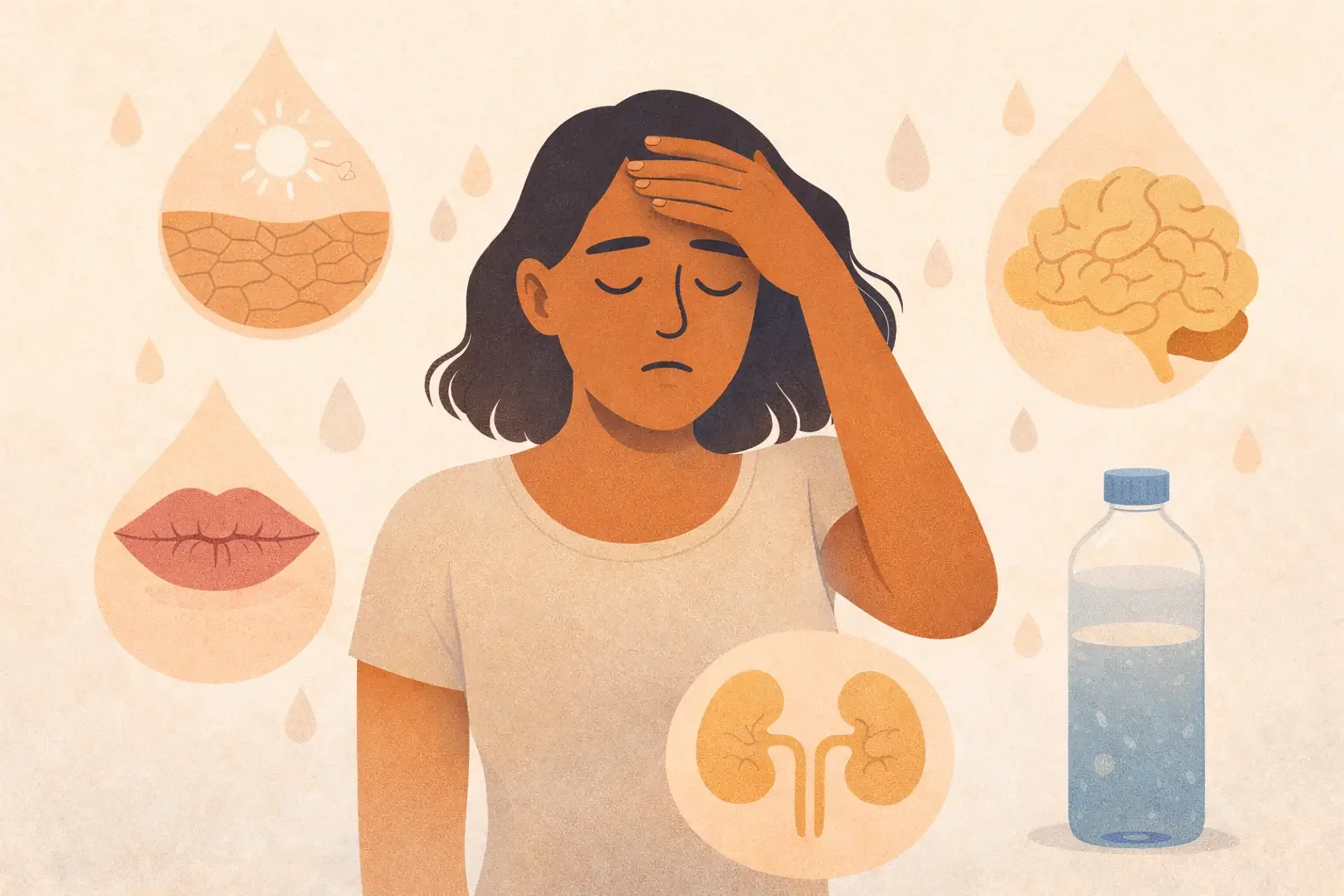
Signs You’re Not Drinking Enough Water
Not drinking enough water does not always feel dramatic. It can show up as headaches, fatigue, dry mouth, dark urine, constipation, or trouble concentrating. This article breaks down the common signs of mild dehydration, why they happen, and simple ways to stay better hydrated every day.
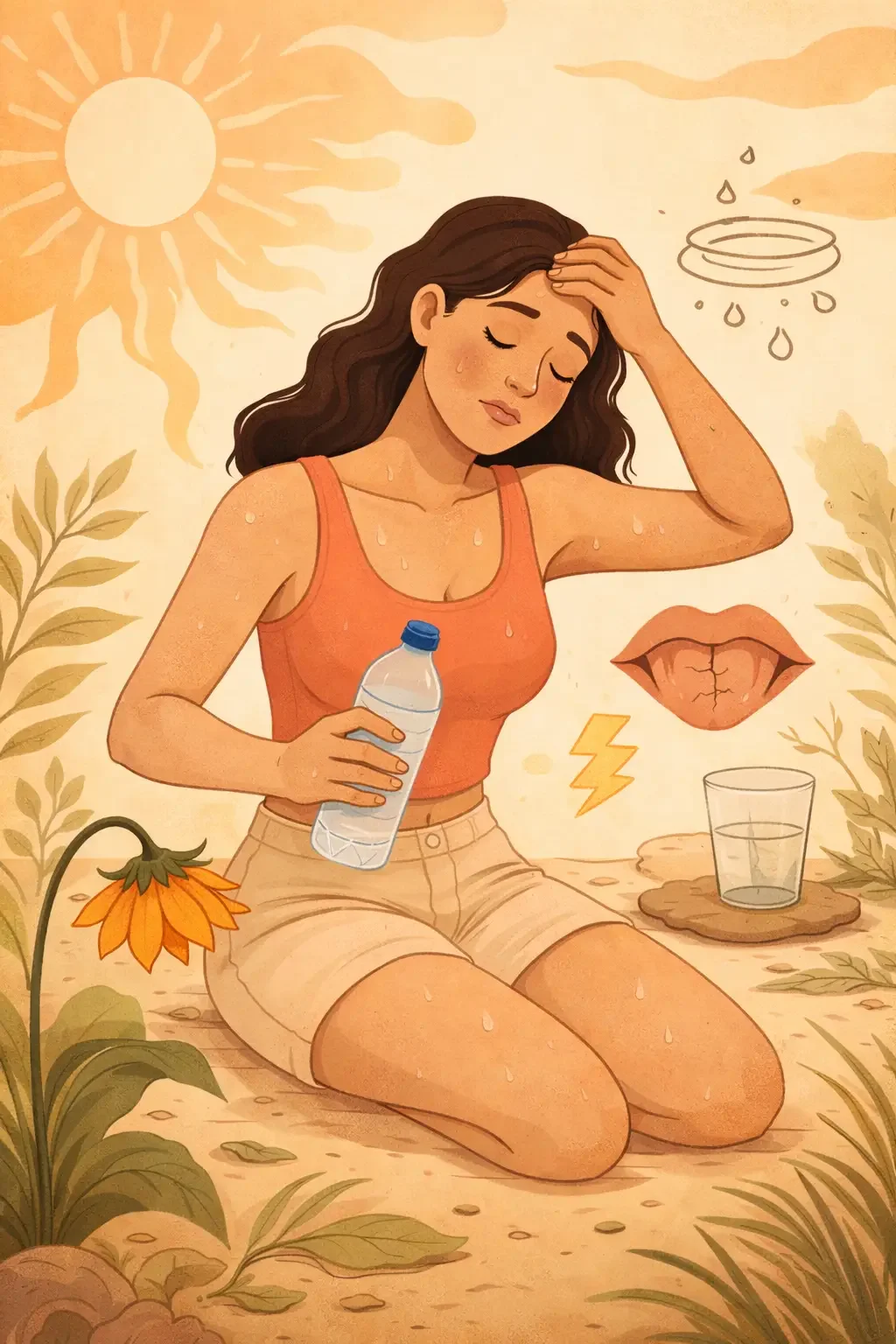
What Really Happens When You’re Dehydrated
Dehydration is more than feeling thirsty. It can affect your energy, focus, mood, circulation, digestion, and exercise performance faster than many people realize. Here’s what’s really happening in your body when fluid levels start to drop—and how to stay ahead of it.