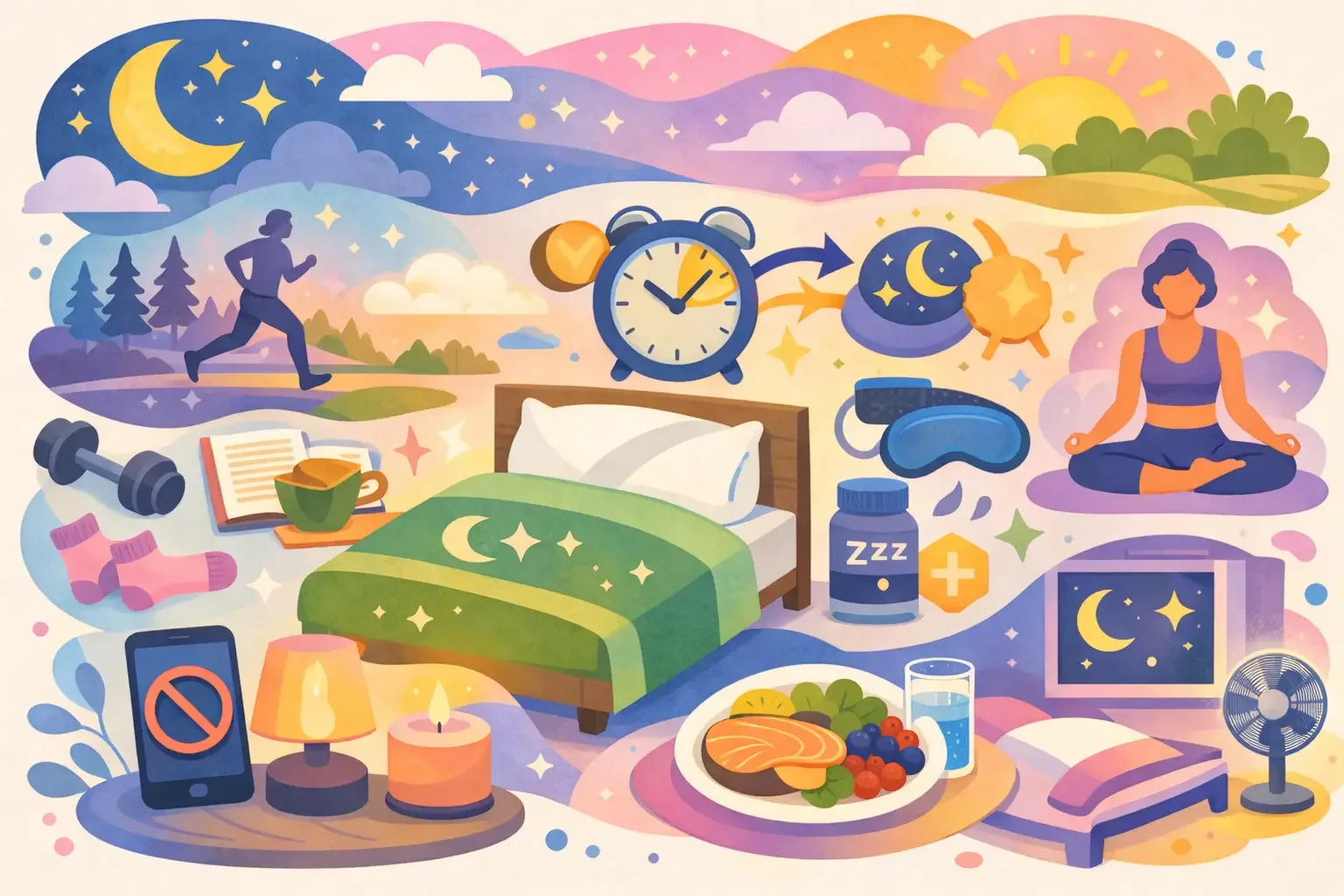
Sleep Smarter: The Everyday Habits That Actually Fix Your Sleep
Most sleep problems aren't medical mysteries, they're lifestyle problems. And that means they have lifestyle solutions. This article breaks down the biology of sleep, the daily habits that support it, and the evidence-based tools that can help you finally wake up feeling rested.
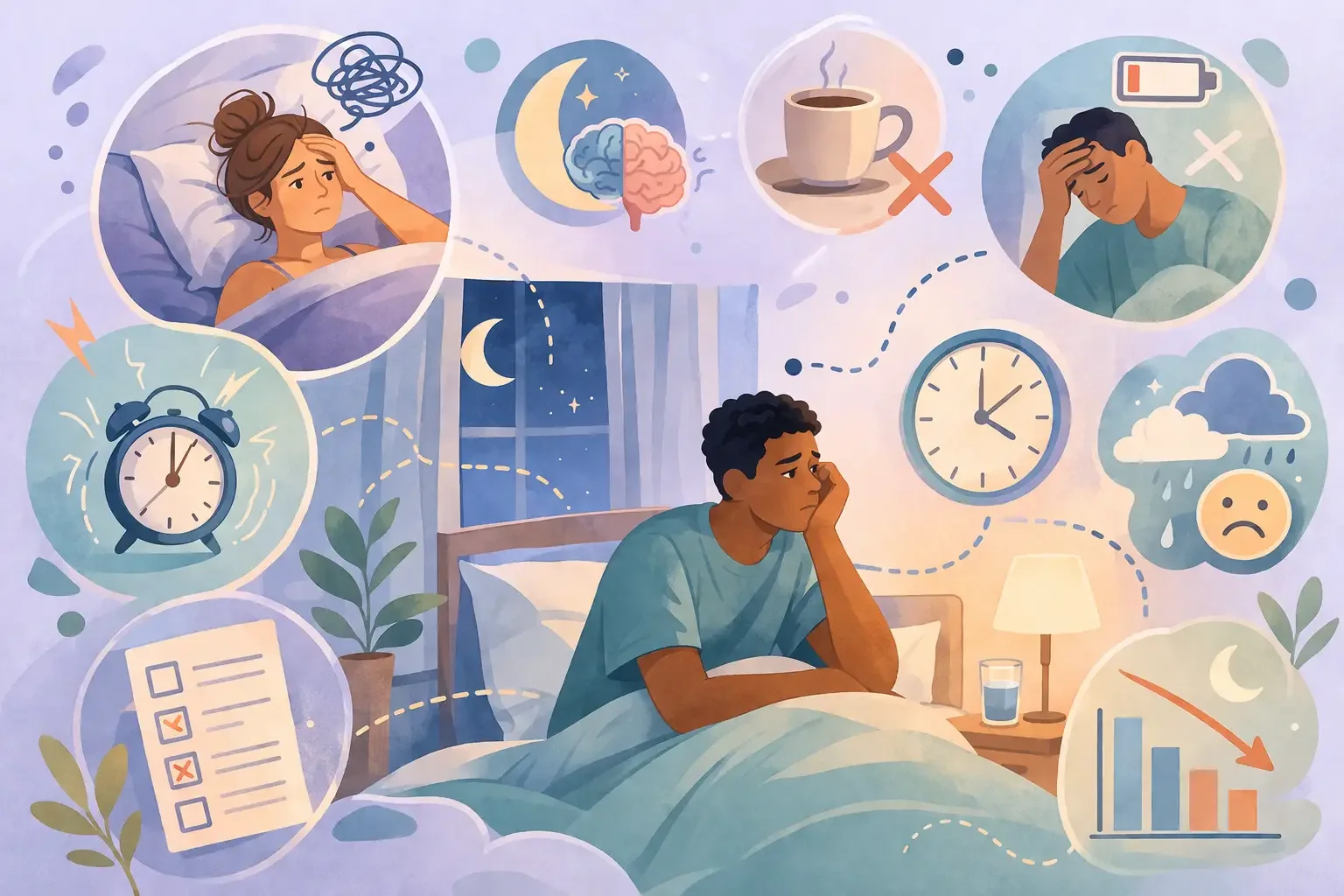
Eight Hours in Bed and Still Exhausted? What Your Sleep Is Actually Telling You
You can spend eight hours in bed and still wake up exhausted, and that's not normal, even if it feels that way. Poor sleep quality is one of the most overlooked drivers of fatigue, weight gain, mood problems, brain fog, and a weakened immune system. This article breaks down the real warning signs that your sleep isn't working, explains the science behind what goes wrong, and offers practical strategies and targeted supplement support to finally wake up feeling rested.
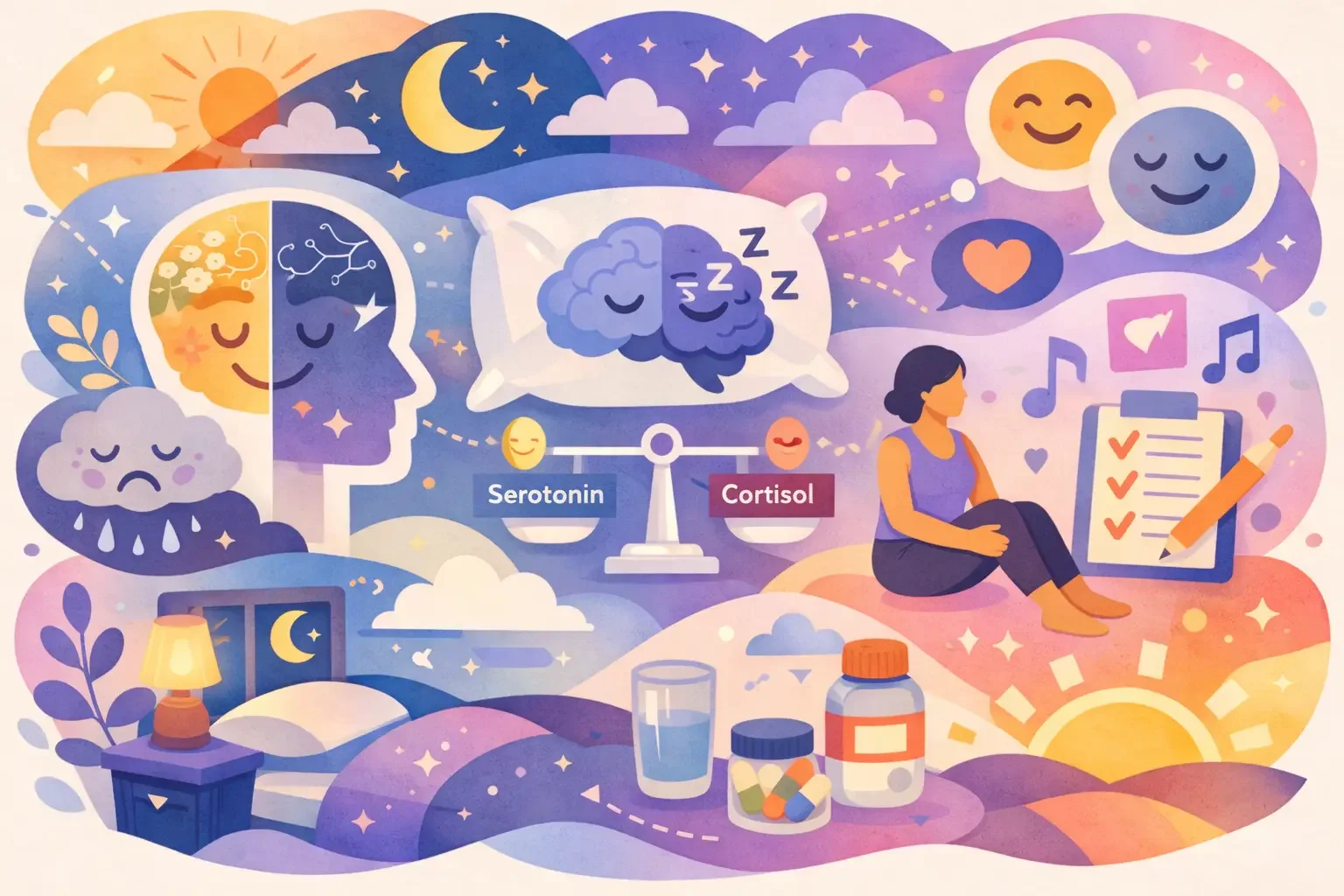
Sleep Isn’t Lazy. It’s the Most Productive Thing Your Brain Does All Day.
Your mood, anxiety levels, and emotional resilience are more tied to your sleep than almost anything else you do. Here's what your brain is actually doing while you sleep and how to make sure it gets what it needs.
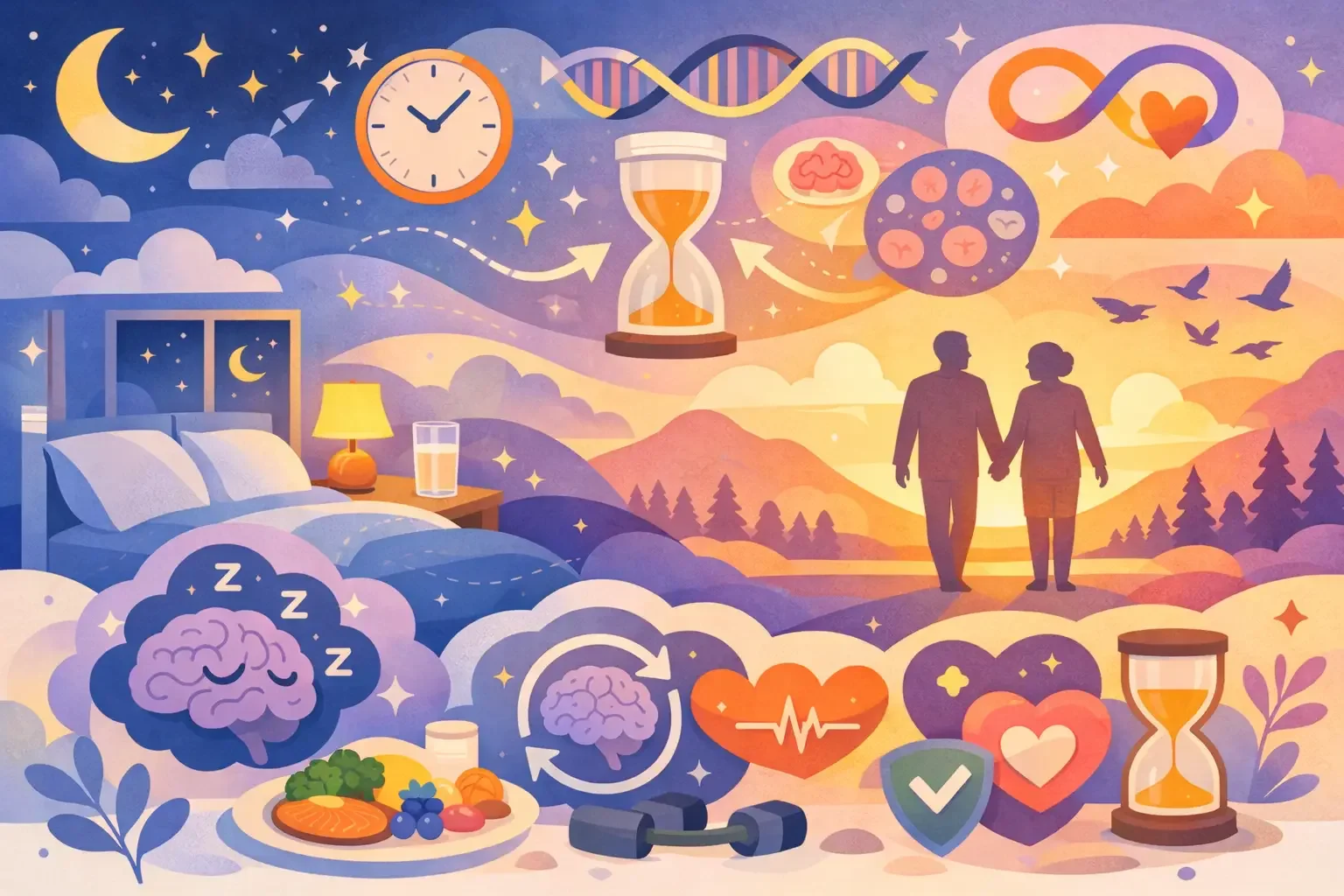
The Free Anti-Aging Prescription Most People Throw Away Every Night
We obsess over the right foods, the best workouts, and the perfect supplement stack, but the most powerful longevity tool most of us have is the one we keep shortchanging. Sleep is not downtime. It is the period when your brain detoxifies, your cells repair, your hormones reset, and your immune system runs its most critical maintenance. Miss enough of it, and no amount of clean eating or morning routines can undo the damage. Here is what is actually happening while you sleep, and exactly what you can do to protect it.
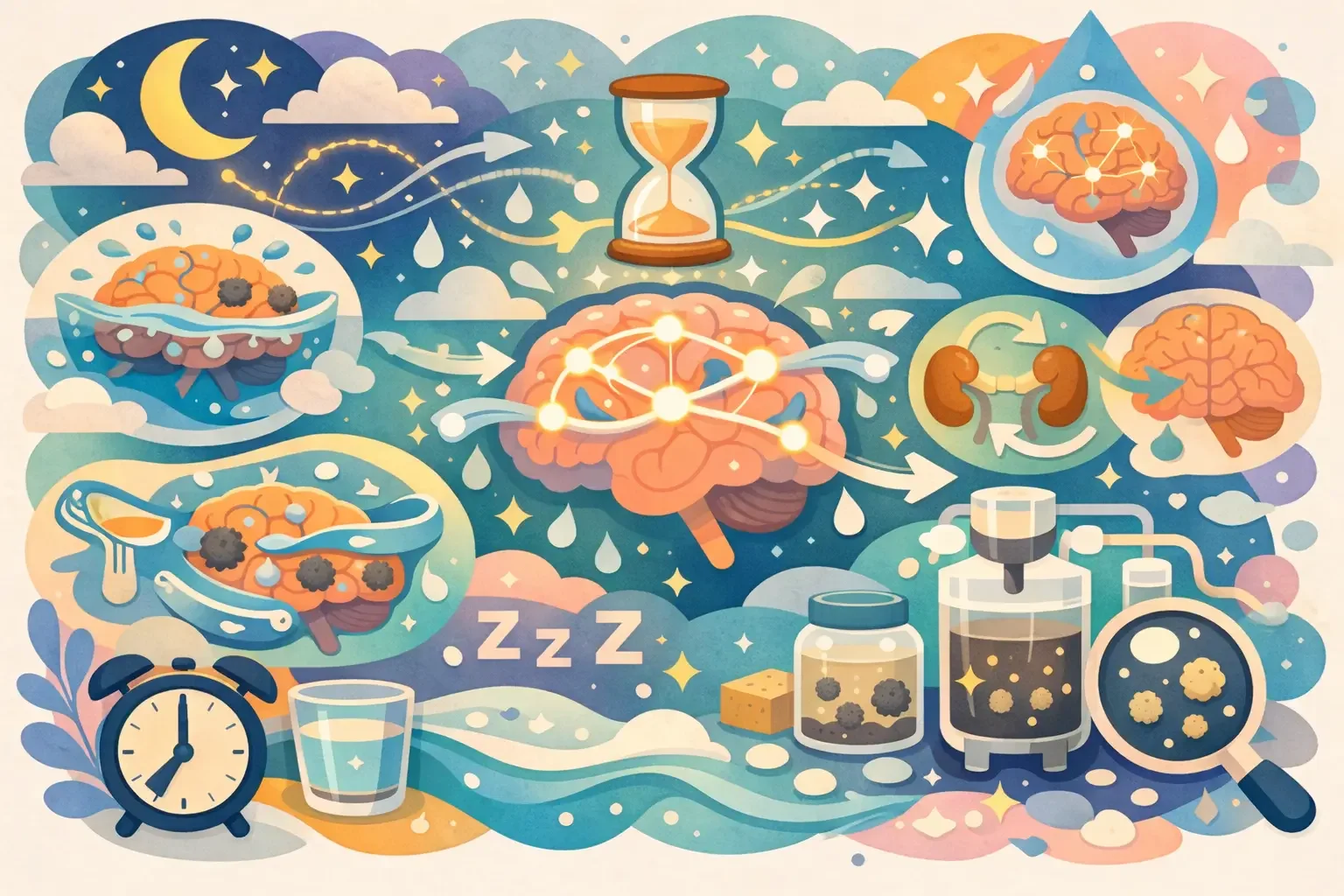
While You Were Sleeping, Your Brain Was Cleaning House
Every night while you sleep, your brain runs a remarkable cleaning cycle that flushes out toxic waste, consolidates memory, and protects against long-term neurological disease. Most people have never heard of the glymphatic system, but understanding it may be the most important thing you can do for your brain health. Here's what the science says, and exactly how to support it.
Sleep Harder: The Science of Deep Sleep and Why Your Health Depends on Getting It Right
You can eat well, exercise consistently, and still wake up exhausted, and deep sleep is usually why. This article breaks down exactly what your brain and body do during slow-wave sleep, what is quietly sabotaging your sleep quality, and the lifestyle habits and nutritional strategies that actually make a difference. If you have ever wondered why you feel off even after a full night of sleep, this is your answer.
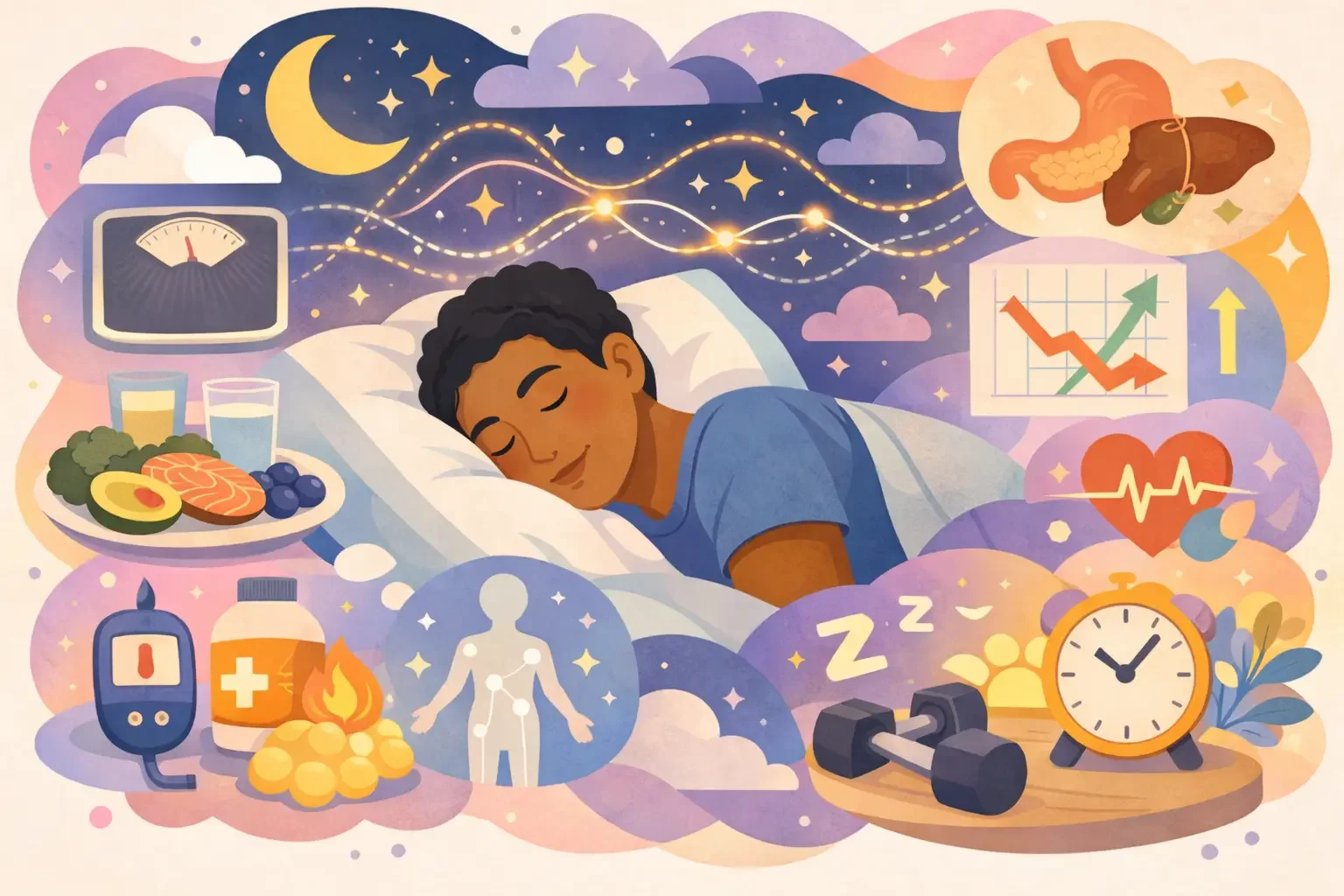
Your Metabolism Called. It Wants More Sleep.
You can eat clean, exercise consistently, and still feel like your metabolism is working against you. The missing variable is often the one most people sacrifice first: sleep. Discover why your body's ability to regulate blood sugar, burn fat, and manage hunger depends more on your nightly rest than almost any other factor, and what you can do about it starting tonight.
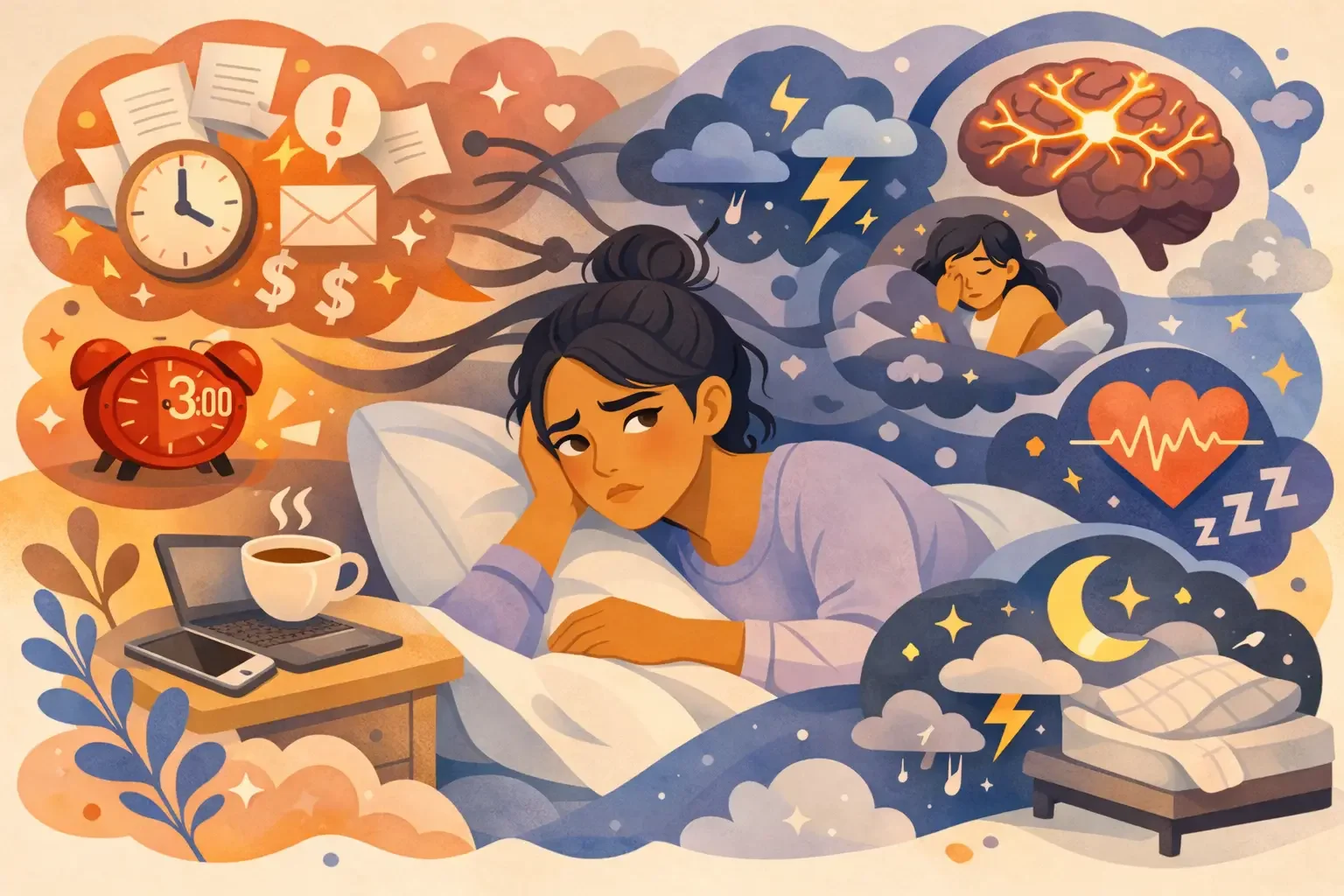
Wired and Tired: Why Stress Is Secretly Sabotaging Your Sleep
You're exhausted, but the moment your head hits the pillow, your mind races. Sound familiar? The connection between stress and sleep goes far deeper than most people realize. When chronic stress keeps cortisol elevated at night, it actively suppresses the brain circuits responsible for sleep, and poor sleep, in turn, makes your stress response worse the next day. It's a cycle with real biological roots, and breaking it requires more than a better bedtime routine. In this article, we explore the science behind why stress hijacks your sleep, the practical steps you can take to reclaim it, and the targeted nutritional support that can help rebuild the foundation your body needs to finally rest.
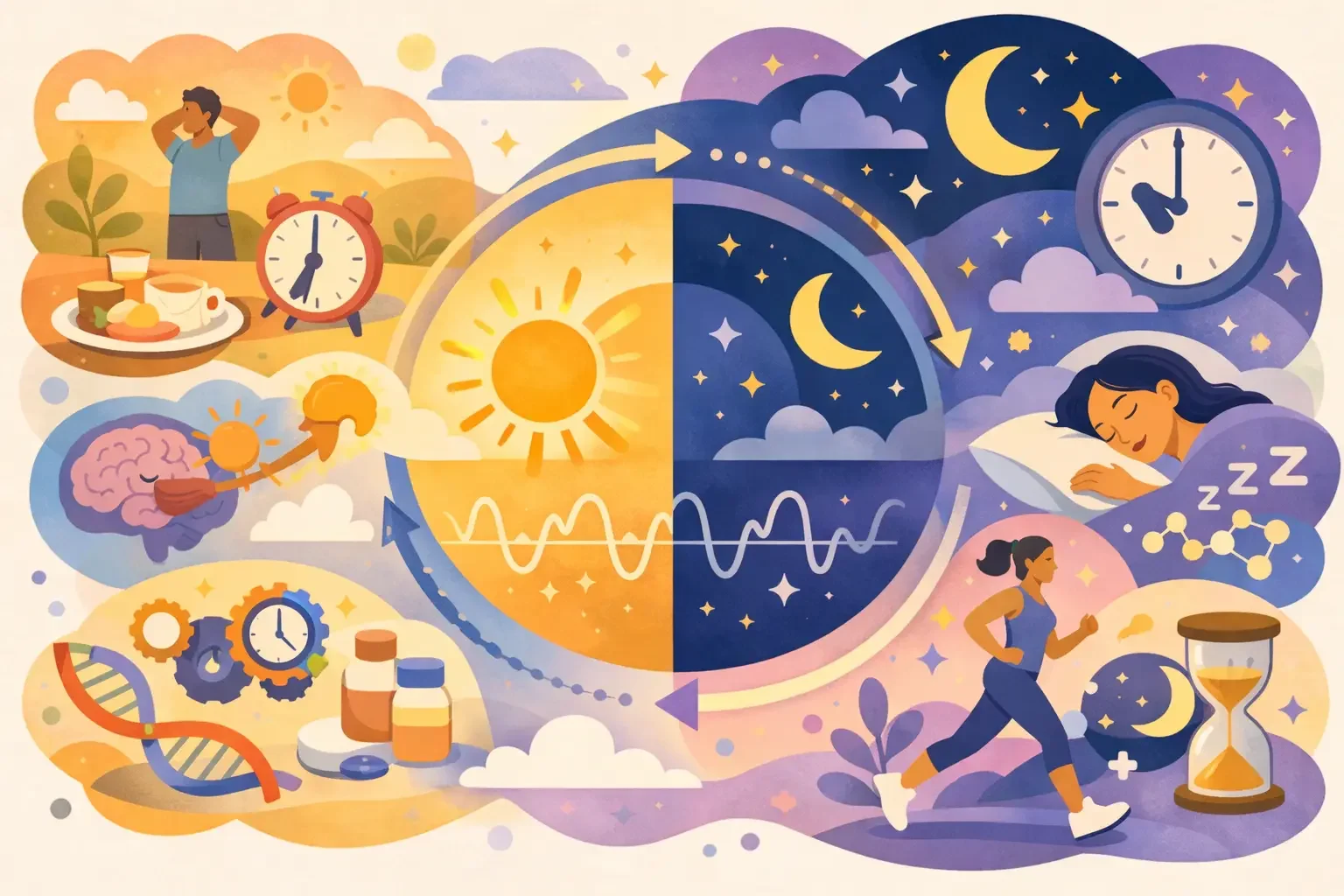
Ticking Time Bomb: What Happens When Your Body Clock Stops Working (And How to Fix It)
You're not just tired, you're out of sync. Your circadian rhythm is the master scheduling system that governs nearly every function in your body, from hormone production to immune response to how well your brain performs at 2 p.m. on a Tuesday. When it's disrupted, everything suffers. The good news is that science gives us a clear, practical roadmap for getting it back on track, and it starts the moment you wake up tomorrow morning.
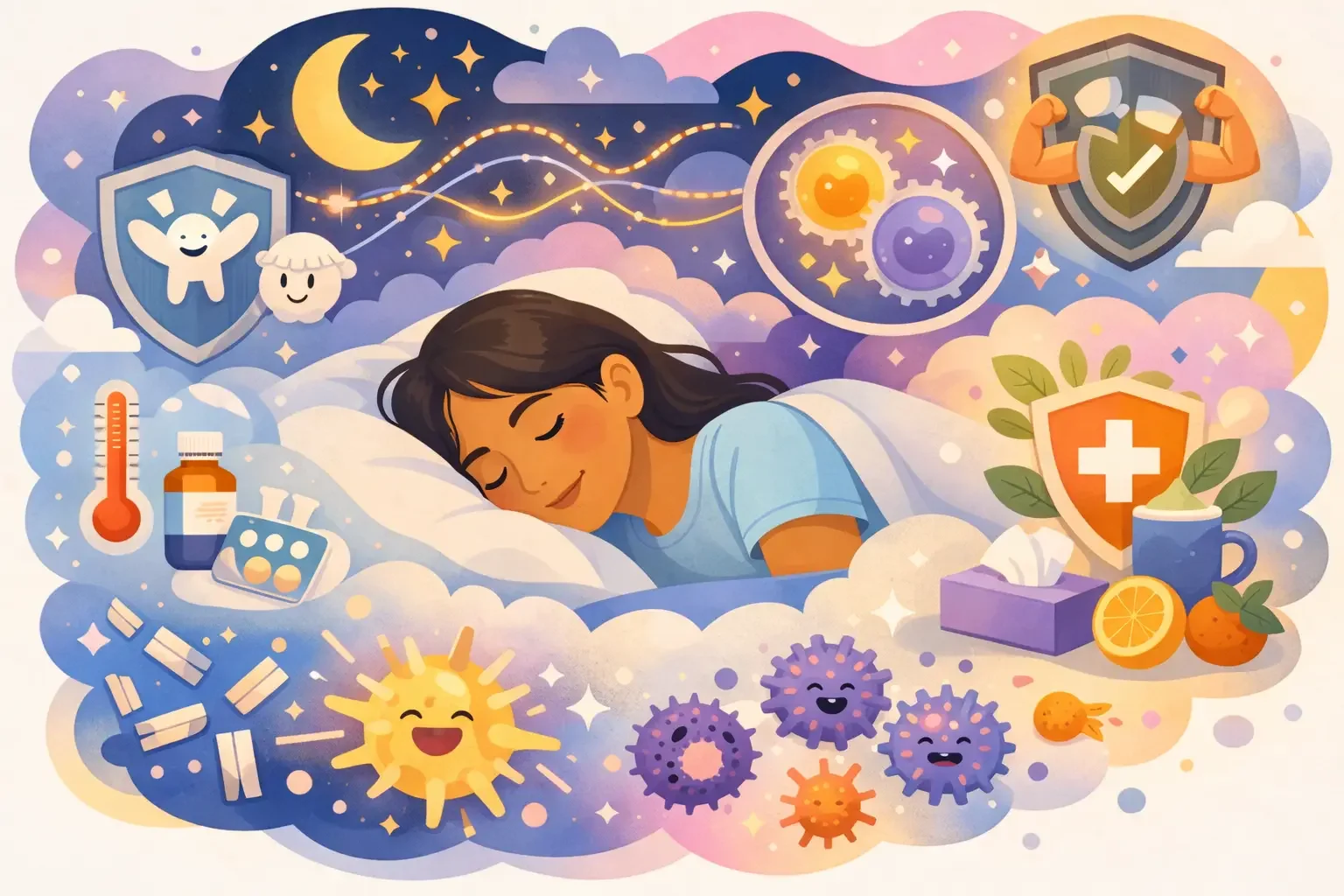
The Best Immune Booster Money Can’t Buy: Why Sleep Outperforms Every Supplement on Your Shelf
Most people reach for supplements when their immune system needs a boost, but the most powerful immune tool available isn't in a bottle. It happens every night when you close your eyes. Discover what your body is really doing while you sleep, why cutting it short leaves you vulnerable, and exactly what you can do to protect both your sleep and your health.
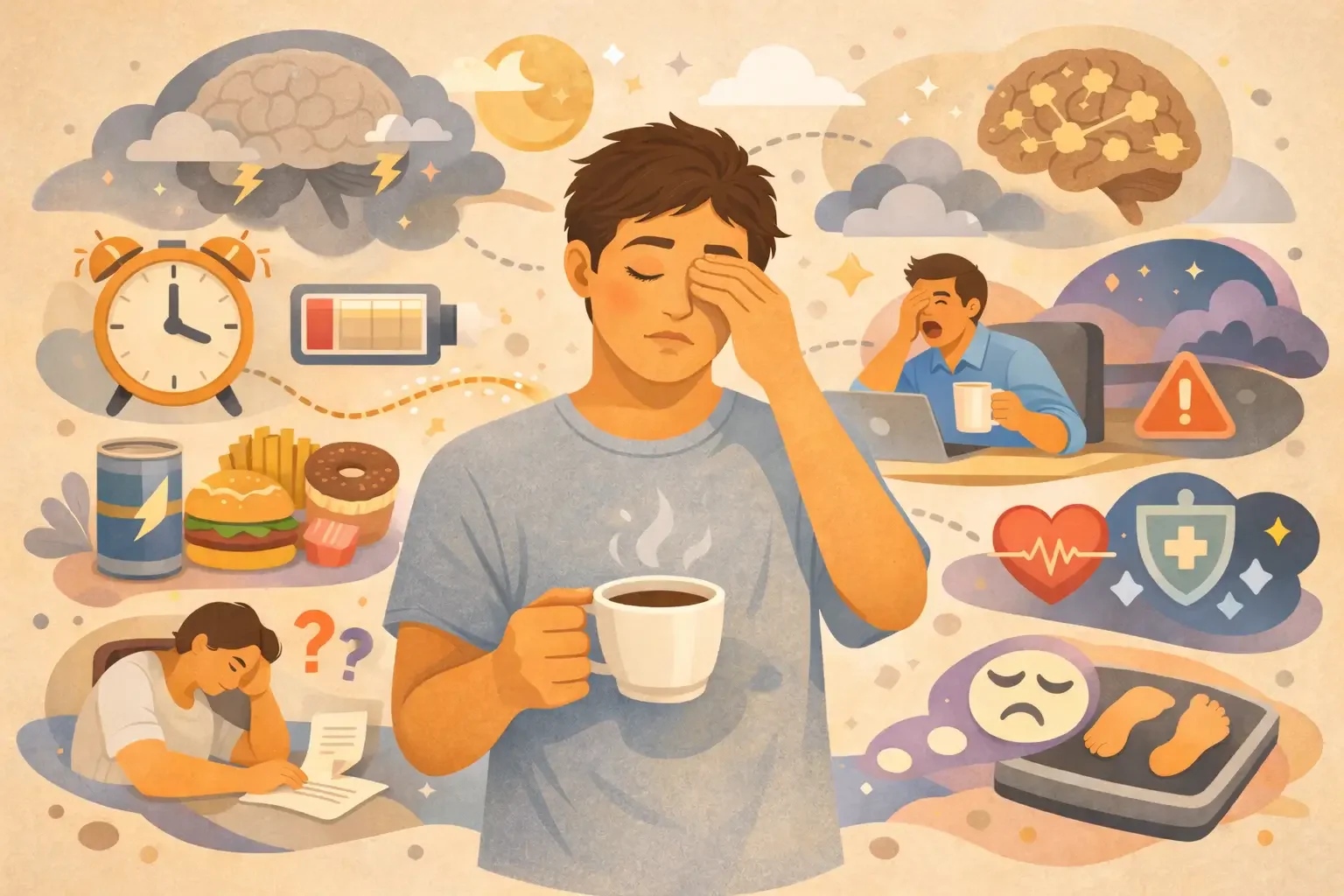
Your Body Has Been Keeping Score: The Real Science of Sleep Deprivation
You already know that a bad night's sleep leaves you foggy and off your game. But what happens when night after night, you're shortchanging your rest? The science is clear, and it goes much deeper than feeling tired. From hormone disruption and immune suppression to brain fog and heart disease risk, chronic sleep deprivation quietly rewires your body from the inside out. The good news? Sleep is one of the most responsive systems you have. Learn what's really going on while you sleep, why it matters more than any supplement or diet, and the practical steps that can turn things around in as little as two weeks.
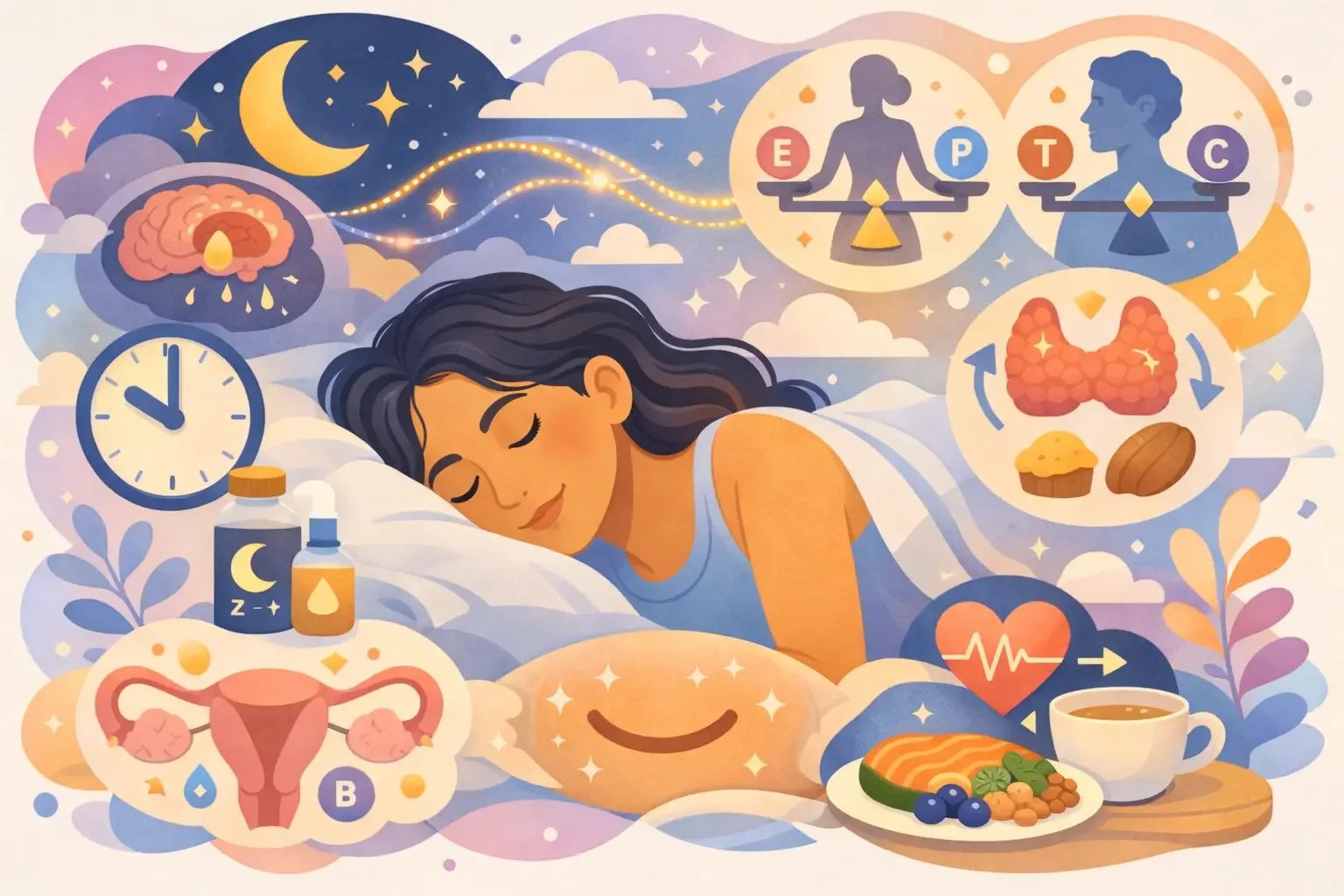
Tired, Wired, and Out of Balance Hormones? It Might All Come Down to How You Sleep
Most people know that poor sleep makes them feel terrible. Fewer realize it's also quietly disrupting their hormones. From cortisol and melatonin to estrogen, progesterone, and insulin, nearly every hormone in your body is regulated, produced, or reset during sleep. When that sleep is cut short, fragmented, or chronically poor, the hormonal consequences ripple into metabolism, mood, weight, energy, and more. The good news is that this system responds well when you give it what it needs. Here's exactly what's happening inside your body at night and how to work with it.
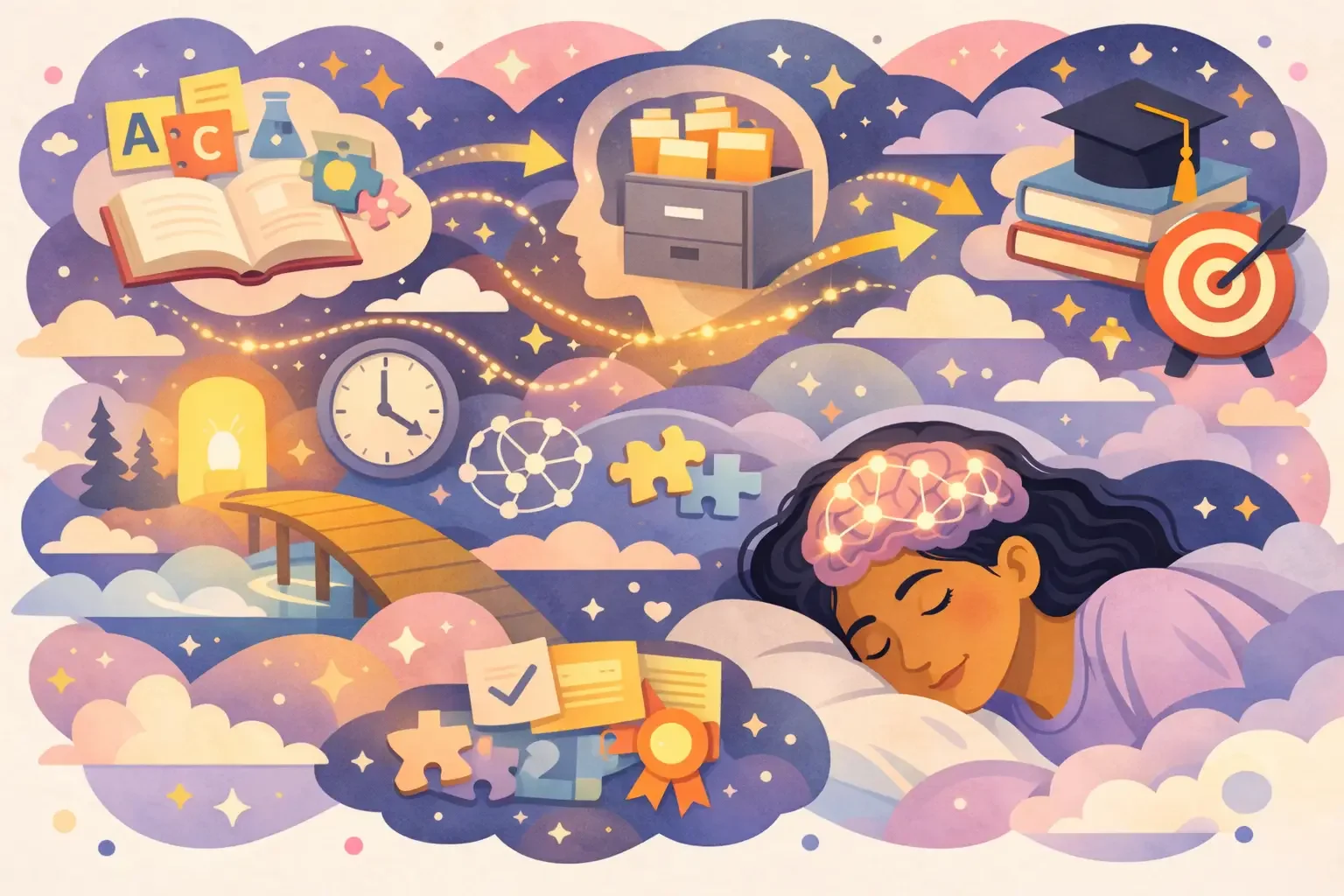
While You Were Sleeping, Your Brain Was Studying
You close your eyes, and from the outside, it looks like nothing is happening. But inside your brain, it is one of the busiest periods of your entire day. Sleep is not a rest from thinking; it is when thinking gets finished. Here is what the science says about why the hours you spend sleeping may be the most important investment you make in your memory, your focus, and the long-term health of your mind.
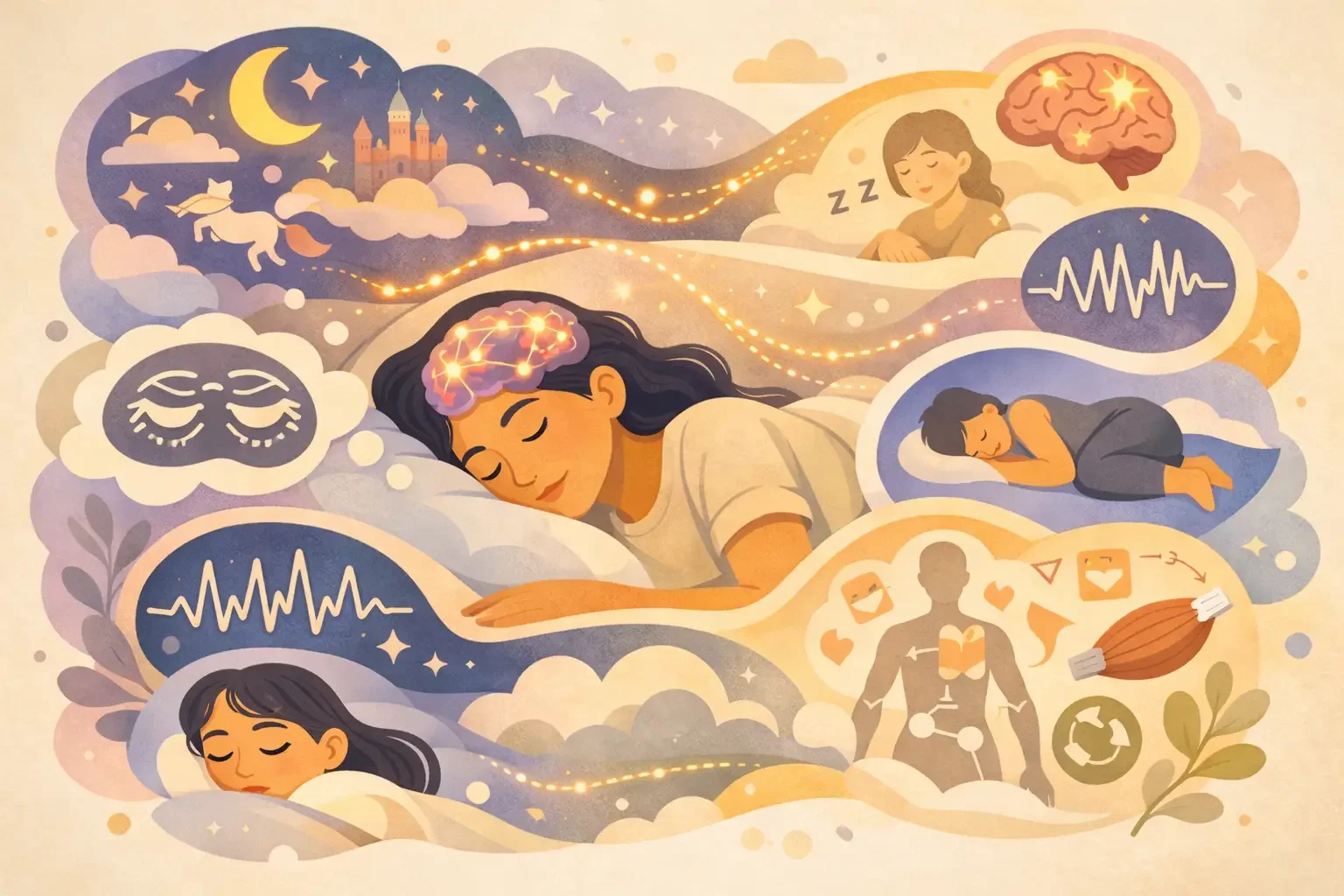
The Secret Life of Sleep: What Your Brain Is Really Doing Every Night
Most of us think of sleep as simply "off time." But your brain is running a precise, stage-by-stage program every single night, and what happens at each stage determines how well you think, feel, heal, and function the next day. If you've ever woken up after a full eight hours still feeling exhausted, the answer isn't more sleep. It's better to sleep. Here's exactly what's going on while you rest, and how to make every hour count.
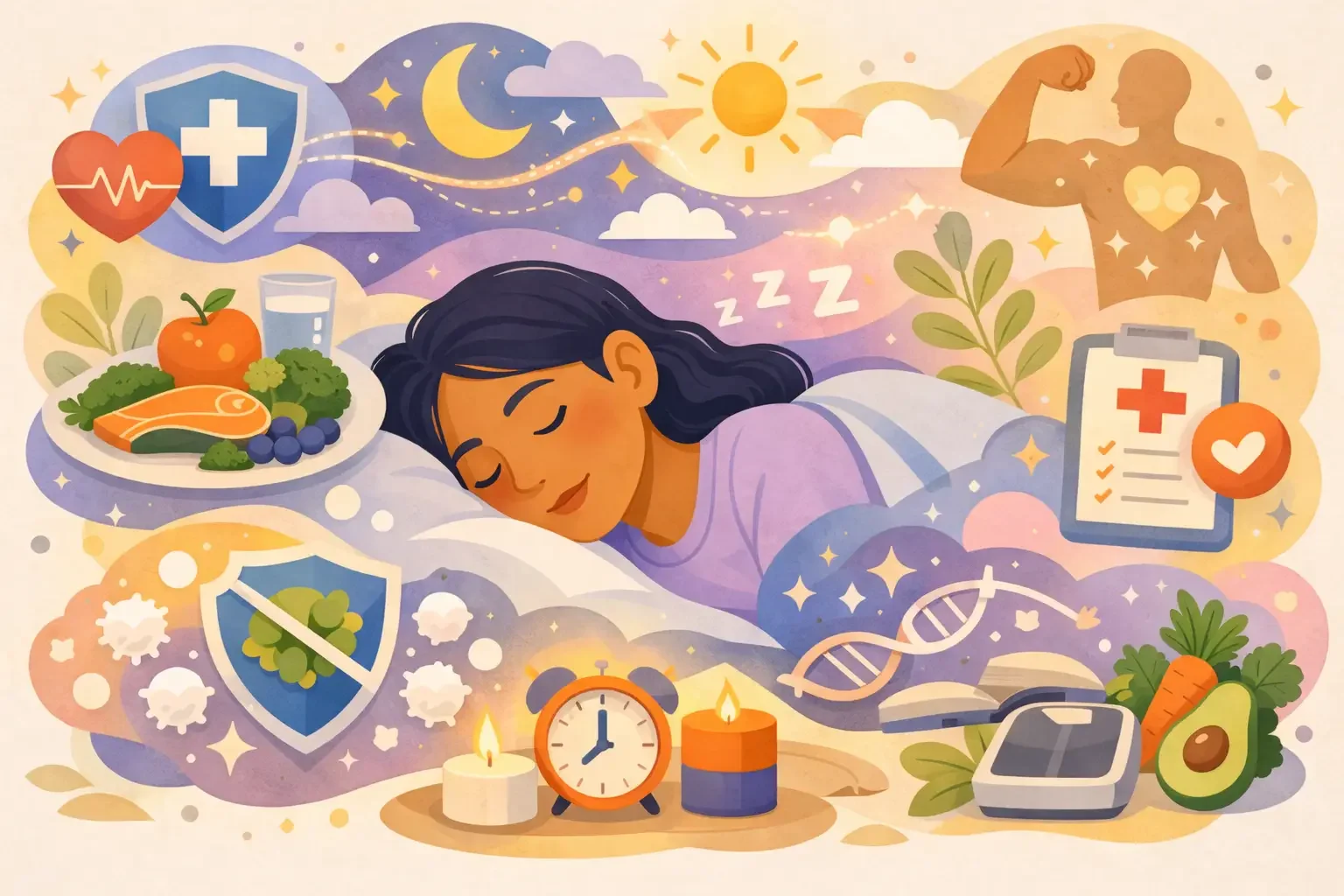
The Health Reset That Happens Every Night: Why Sleep Is Your Most Powerful Tool
Most of us know we should sleep more. But knowing and doing are two very different things, and the gap between them is quietly costing us more than we realize. Sleep is not passive downtime. It is the window during which your brain flushes toxic waste, your immune system rebuilds its defenses, your hormones reset, and your memories consolidate. No other habit, supplement, or health strategy can replicate what a consistent, quality night of sleep delivers. If you have ever wondered why you feel "tired but wired," why stress wrecks your rest, or why you wake at 3 AM and cannot fall back asleep, this article breaks down the science and gives you a clear, practical roadmap to fix it.
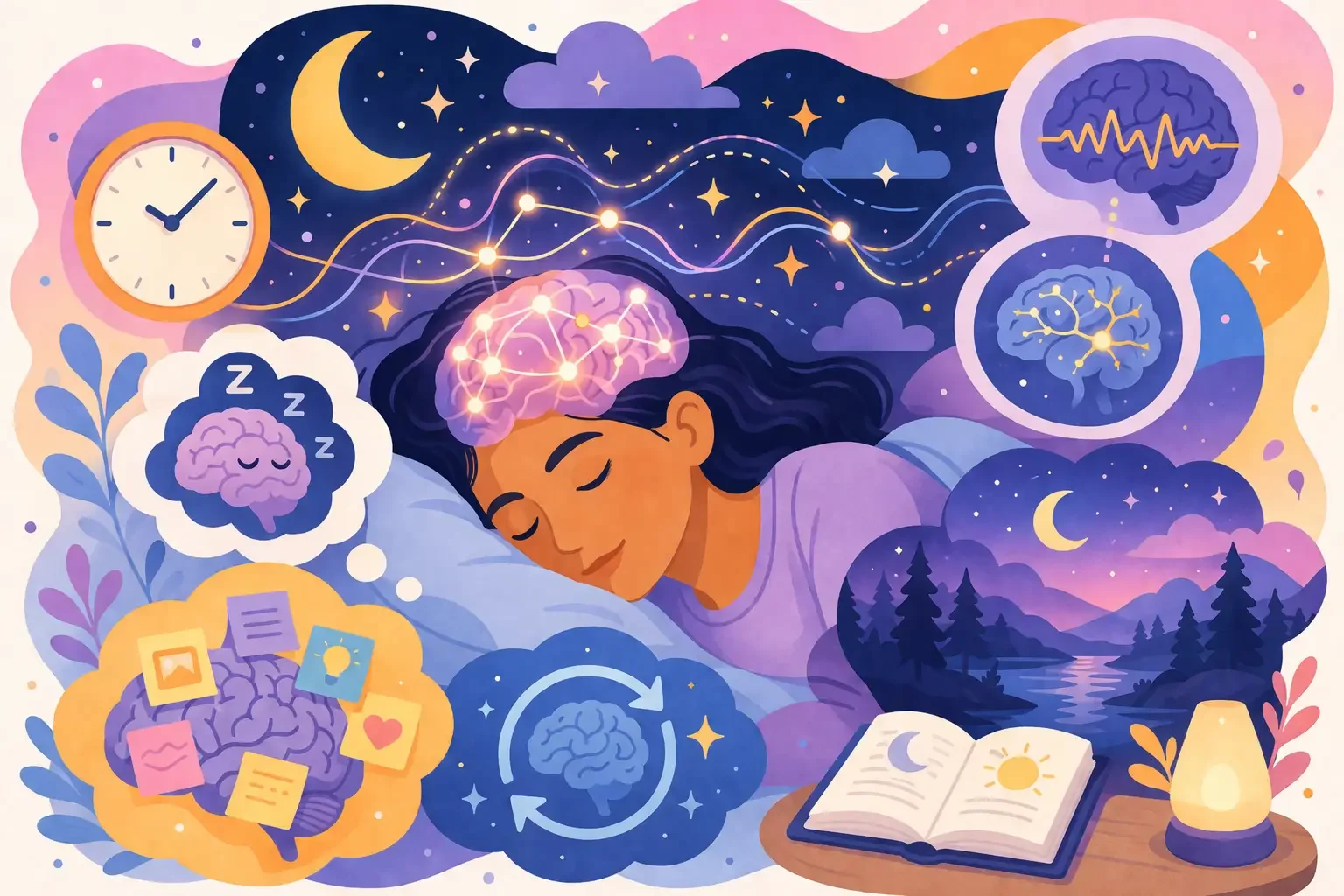
While You Were Sleeping: The Remarkable Things Your Brain Does Every Night
You close your eyes and the world goes quiet, but inside your brain, the real work is just getting started. Every night while you sleep, your brain runs a remarkable series of biological programs washing out toxic waste linked to Alzheimer's, consolidating everything you learned that day, processing emotions, and rebuilding the neurochemistry that keeps you sharp, stable, and resilient. Here is what is actually happening up there, why missing it costs more than most people realize, and what you can do to protect it.