What Nutritional Science Actually Says About Diet Trends
Every few years, nutrition discourse introduces a new 'hero' and a new 'villain.'
Nutrition advice on social media, documentaries, books, and from wellness influencers is often presented with excessive certainty and urgency. This makes diet trends seem far more definitive than they actually are.
Nutritional science rarely backs extreme or universal claims. Diet trends may contain valid points, but most overpromise, oversimplify, or ignore the context of eating habits and lifestyle.
When considering the broader evidence, a more consistent pattern emerges. Health outcomes improve not due to a diet's branding, but because individuals consistently consume more whole foods, adequate protein and fiber, appropriate portions, and fewer ultra-processed foods. This evidence underscores that the underlying principles are more important than the diet's name.
Why this matters more than the latest food craze
Diet trends shape how we see health, morality, discipline, and identity. When nutrition advice is overly rigid, choosing food becomes confusing, stressful, and even political.
This distinction is important because the most effective diet is not necessarily the one that appears most impressive online. Rather, it is the approach that improves health markers, supports daily functioning, aligns with cultural and financial contexts, and can be sustained without undue difficulty. Evaluating what actually works requires looking beyond surface appeal to long-term outcomes.
Scientific evidence matters because short-term results are often misleading. Rapid weight loss usually comes from eating fewer calories, cutting variety, or paying more attention to diet, not from a special feature of the diet. Many popular diets offer similar short-term results for the same reasons, even when they use different principles.
This highlights why focusing on the overall pattern of evidence is essential. Real results in nutrition come from consistent, well-established behaviors, not from dramatic stories or single studies.
Behind the hype: what the science really shows
Nutritional science consistently demonstrates that adherence to a dietary pattern is more important than adherence to a specific ideology.
People can lose weight or improve blood sugar on low-carb, low-fat, Mediterranean-style, higher-protein, plant-forward, and other approaches. The common thread is not magic metabolism. It is that the diet helps them sustain a better overall eating pattern than before.
Low-carbohydrate diets can help some people manage appetite, reduce refined-carb intake, and improve blood sugar control. These effects are clearer when processed foods are swapped for protein- and fiber-rich meals. This does not mean carbohydrates are bad. Whole grains, legumes, fruits, and many starchy vegetables are linked to good health when included in balanced diets.
Low-fat diets have also been oversimplified. The issue was never solely 'fat.' Unsaturated fats from sources such as nuts, seeds, olive oil, and fish are generally beneficial. Substituting saturated fat with refined carbohydrates does not improve nutritional quality, whereas replacing some saturated fat with unsaturated fats often does.
Intermittent fasting is an example. Some find time-restricted eating beneficial because it simplifies decisions or supports a calorie deficit. Current evidence does not show that fasting itself provides additional benefits beyond food quality or total energy intake. While useful for some, it is not universally superior.
Plant-based trends require nuance. Diets emphasizing beans, lentils, vegetables, fruits, whole grains, nuts, and seeds support health. However, 'plant-based' does not guarantee healthy vegan diets can include refined starches, sugary foods, and low-quality products. The overall pattern matters more than the label.
Even trends that sound very scientific can get ahead of the science. Claims about “detoxing,” “healing the gut” through highly restrictive plans, or eliminating entire food groups for everyone often exceed what evidence supports. The body already has built-in detoxification systems, primarily the liver and kidneys. Gut health does matter, but it is usually best supported by a diverse, fiber-rich diet, adequate sleep, stress management, and, when needed, medical care, not by dramatic cleanse protocols.
Nutritional science emphasizes balance, adequacy, and consistency. Diet trends usually pick one factor and claim it's the only thing that matters for health.
What is actually worth doing?
For most individuals, effective nutrition is less about adhering to a specific named diet and more about constructing meals that are satisfying, consistent, and sustainable and repeatable.
A practical approach is to focus on meal components rather than rigid rules. Meals are generally more effective when they include protein, fiber, healthy fats, and genuinely enjoyable foods. This combination often promotes satiety, stable energy, and greater consistency.
Protein matters because it supports muscle recovery and satiety. Fiber matters because it supports digestion, blood sugar regulation, and fullness, and many people do not get enough of it. Healthy fats improve flavor and satisfaction and help meals feel complete. Together, these basics do more for most people than obsessing over whether a certain fruit has “too much sugar” or whether eating after 7 p.m. is somehow uniquely harmful.
It is also useful to pay attention to the food environment. If a diet trend helps you cook more often, keep convenient healthy staples on hand, or become more mindful about portions, those behavioral shifts may be the real source of the benefit.
Don't strive for perfection in nutrition. A solid eating pattern allows flexibility. Occasional deviations—meals out, desserts, holidays, or busy times—won't undo healthy habits. Flexibility helps make good habits last.
The habits that quietly matter most
The most effective nutrition strategies are frequently the least attention-grabbing.
Eating enough protein throughout the day can help regulate appetite and support muscle maintenance, especially during weight loss or as we age. Prioritizing fiber-rich foods such as beans, oats, berries, vegetables, and whole grains supports multiple health outcomes. Drinking enough water, sleeping adequately, and moving regularly all influence hunger, food choices, and metabolic health more than many trendy diets admit.
Meal regularity matters, but the best approach is individual. Some thrive on three structured meals. Others do better with two larger meals and a snack. The most effective plan minimizes unplanned eating, supports energy, and fits daily routines.
The enjoyment of food is often overlooked. People maintain a nutritious diet more easily when meals taste good, reflect their culture, and satisfy their emotions. Science supports healthy diets, but practical adherence also relies on pleasure, convenience, and social connection.
This is one reason Mediterranean-style eating remains prominent in nutrition discussions. Its effectiveness is not due to trendiness, but rather to its incorporation of multiple evidence-based elements: vegetables, legumes, whole grains, olive oil, seafood, nuts, moderate flexibility, and a sustainable rather than restrictive approach.
Supplements: useful tools, not nutritional shortcuts
Supplements may be beneficial in specific circumstances, but they do not replace a balanced dietary pattern.
Some people may benefit from targeted supplementation based on diet, life stage, geography, or lab-confirmed deficiency. Vitamin D, vitamin B12, iron, folate, omega-3s, calcium, and magnesium are common areas of discussion, depending on the person. But supplementation works best when it addresses a real need, not as nutritional insurance for a poor diet.
Popular culture views supplements as shortcuts to health. Many use green powders instead of vegetables, collagen instead of enough protein, or metabolism boosters instead of habits. But evidence often falls short of these marketing claims.
Whole foods provide many nutrients, fiber, and bioactive compounds that supplements cannot fully replicate. This does not mean supplements are ineffective; their role is to support, sometimes necessary, and ideally tailored to individual needs.
Anyone considering supplements should check the dosage, possible interactions, and product quality. Some health issues may be better solved with diet changes, sleep, activity, or medical help.
The real takeaway from all the trend-chasing
The key takeaway from nutritional science is that whenever advice sounds extremely certain or absolute, it usually overlooks important nuance. The most reliable approaches are built on evidence, moderation, and adaptability rather than extremes.
The most health-promoting eating patterns are seldom the most prominently advertised. They are consistently supported by research and practical experience: increased consumption of whole and minimally processed foods; adequate protein and fiber; predominantly unsaturated fats; reduced intake of highly processed foods; and sustainable habits.
This does not imply that all diet trends are misguided. Many are based on principles that can be beneficial. However, the advantages typically result from improvements in fundamental behaviors rather than the trend's most sensational claims.
A more constructive question than 'Which diet is best?' is often 'Which evidence-based approach can be maintained, enjoyed, and practiced consistently?'
That question is less flashy. It is also much closer to the truth.
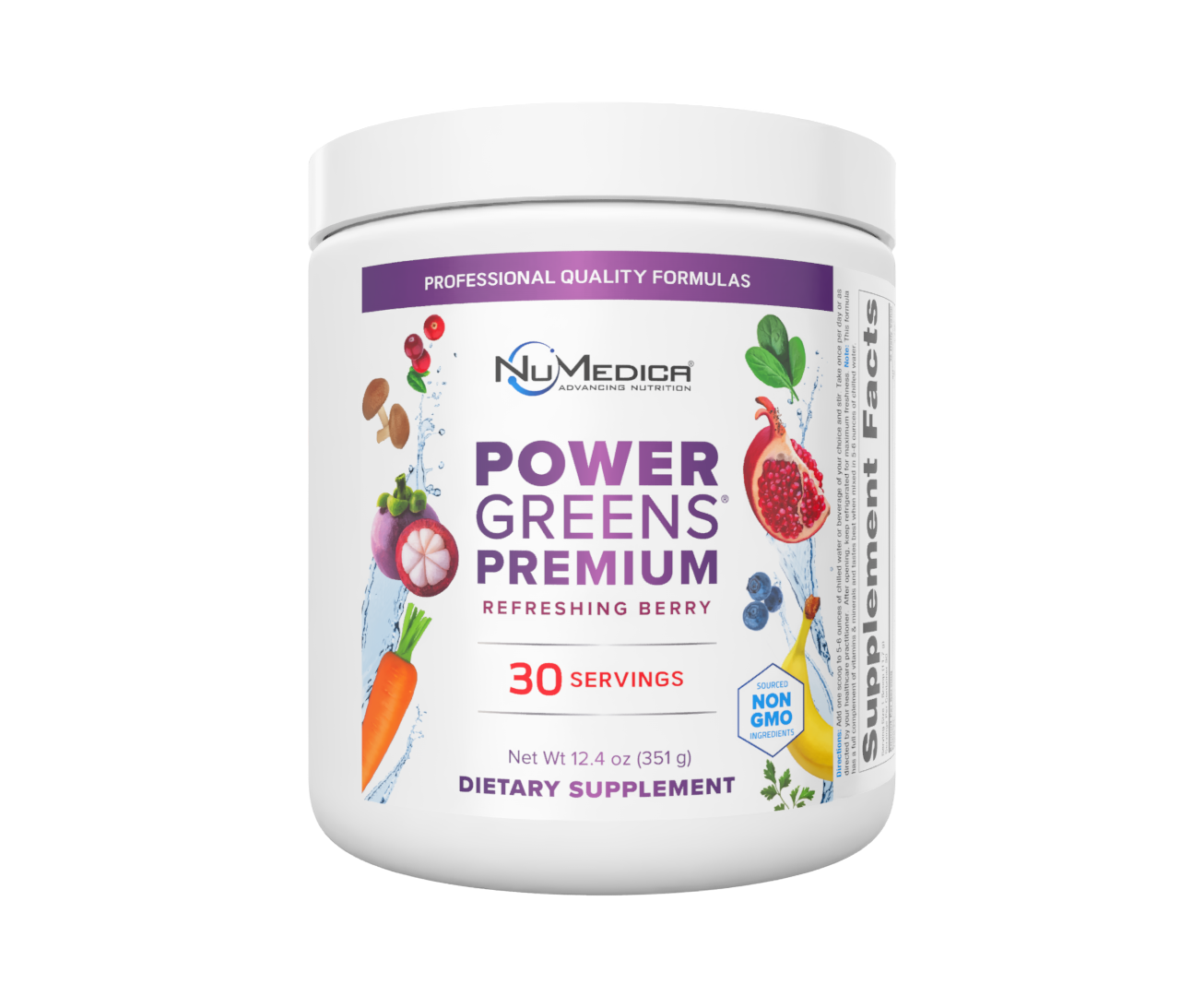
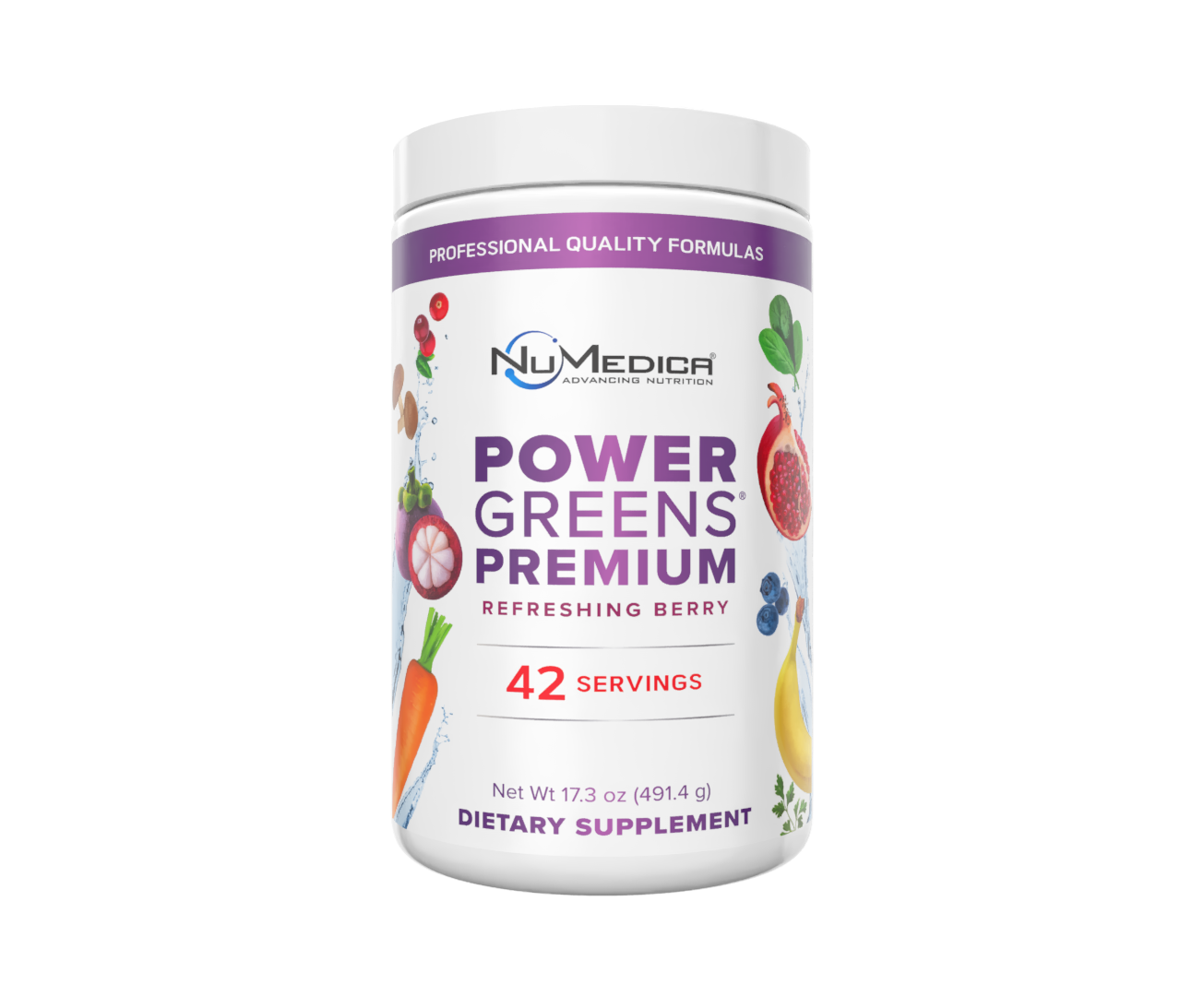
Power Greens® Premium is NuMedica’s state-of-the-art superfood drink mix, providing a great-tasting blend of fruits, vegetables, vitamins, and minerals. This premium formula is loaded with energizing phytonutrients, certified organic whole foods, and plant extracts, including pure spirulina, chlorella, certified organic goji, certified organic banana, broccoli, and cauliflower.
NuMedica® has added a full complement of vitamins and minerals, supplying at least 30% of the recommended daily value per serving, including the highest quality, active forms of B vitamins methylcobalamin and pyridoxal 5’-phosphate.* We have also added premium ingredients such as MatriCal™ and BrocColinate®. MatriCal™ is a superior, certified organic, plant-derived whole food complex supplying natural calcium and minerals and BrocColinate® is an extract from broccoli sprouts that has been heavily studied for its ability to aid Phase II detoxification and provide powerful antioxidant properties.* Additionally, this formula contains a full spectrum, adaptogenic herb blend designed to support the body’s stress response and adrenal function, as well as DDS-1® dairy-free probiotics for maintaining healthy intestinal flora and GI function.* We’ve also included 5-MTHF – Quatrefolic® – the reduced and most biologically active form of folate, allowing rapid uptake into the bloodstream.*

Supports bone health, heart health, and healthy immune balance with vitamins D, K1, and K2, and geranylgeraniol.* Helps to optimize calcium absorption and utilization.*
Gluten Free Dairy Free Soy Free Vegetarian Non-GMO
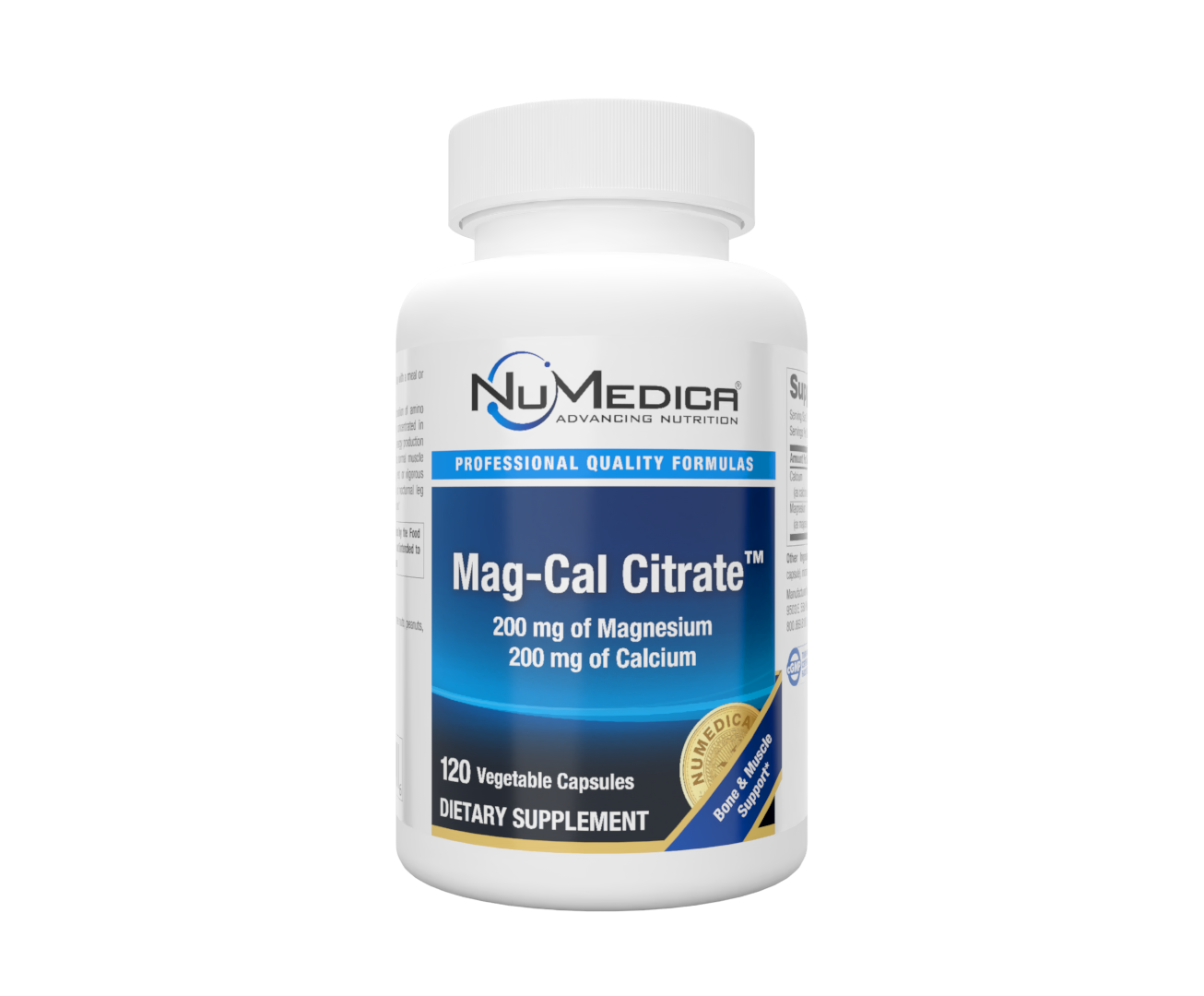
Mag-Cal Citrate plays key roles in the activation of amino acids for protein biosynthesis and is highly concentrated in intracellular fluid and bone.* It is essential for energy production and metabolism.* Magnesium Citrate supports normal muscle contraction and relaxation responses during rest or vigorous activity.* It may also help with nocturnal leg muscle cramps and support healthy bone structure.*