How Nutrients Shape the Life of Your Cells
The human body is continuously engaged in complex physiological processes.
Even at rest, cells generate energy, repair damage, transmit signals, synthesize proteins, remove waste, and regulate stress responses—all fundamentally dependent on nutrient availability.
Nutrition is frequently discussed in relation to broad concepts such as metabolism, immunity, or cardiovascular health. However, nutritional intake also directly influences cellular function, recovery efficiency, and long-term cellular resilience.
Although cellular health may appear abstract, its impact is evident in sustained energy, cognitive clarity, efficient recovery, skin integrity, robust immunity, and healthy aging. When cells receive adequate nutrients, overall physiological function improves.
Why Your Cells Care What’s on Your Plate
While food is often regarded solely as a source of energy, nutrients serve additional roles as structural components, signaling molecules, enzymatic cofactors, and protective agents.
Protein supplies amino acids to build enzymes, hormones, and tissue. Fats form cell membranes—active sites for signaling and transport. Carbohydrates provide glucose, which is essential for many cells, especially the brain, and during activity. Vitamins and minerals help unlock and manage chemical reactions.
Consistently inadequate nutrition impairs cellular energy production, antioxidant defense, membrane maintenance, and repair mechanisms. In contrast, balanced and sufficient nutrition enables optimal cellular function.
In short, nutrients fuel and regulate cell activities.
What’s Really Happening Inside a Cell
A healthy cell continuously performs several essential functions.
First, it has to make energy. Most cells do this mainly through mitochondria, often called the cell’s powerhouses. Nutrients from food are broken down and converted into usable energy in the form of ATP. B vitamins play an especially important role here because they help enzymes convert carbohydrates, fats, and proteins into energy.
Second, a cell has to protect itself. Normal metabolism creates reactive byproducts, sometimes called free radicals. In excess, these can damage proteins, fats, and DNA. Antioxidant nutrients such as vitamin C, vitamin E, and selenium, as well as compounds found in colorful plant foods, help support the systems that help keep this damage in check.
Third, a cell has to maintain its outer membrane. The membrane controls what enters and leaves the cell and helps the cell communicate with its environment. Healthy fats, especially those found in foods like nuts, seeds, olive oil, and fatty fish, contribute to membrane structure and fluidity.
Fourth, a cell has to repair and replicate. DNA is constantly being copied and repaired. Nutrients such as folate, vitamin B12, zinc, and other minerals support these processes. Without the right ingredients, the body may have a harder time maintaining normal function.
Finally, cellular communication is critical. Minerals, including calcium, magnesium, potassium, and sodium, regulate signaling in neural, muscular, and other tissues. Although often overlooked, these nutrients are essential for electrical and chemical coordination within the body.
The Nutrients That Quietly Do the Heavy Lifting
Protein: the repair crew
Protein is central to cellular maintenance. Amino acids build enzymes, transport proteins, immunity, and structure. Without enough protein, repair and recovery slow.
Healthy fats: the membrane builders
Cell membranes are made largely of lipids. The kinds of fats you eat can influence membrane composition and function. Unsaturated fats, particularly omega-3 fats, are associated with healthy cell signaling and a balanced inflammatory response.
B vitamins: the energy enablers
B vitamins do not provide energy themselves, but they help release energy from food. They are involved in mitochondrial function, red blood cell production, and nervous system support. A shortage can leave cells less efficient at doing their daily work.
Minerals: the cellular regulators
Magnesium is involved in hundreds of enzyme reactions. Zinc supports DNA repair, immunity, and cell growth. Iron helps transport oxygen. Selenium supports antioxidant enzymes. Potassium and sodium help maintain fluid balance and electrical activity. Cells rely on these minerals constantly.
Antioxidant nutrients and plant compounds: the defenders
Oxidative stress is a normal part of life, but excessive levels can strain cellular systems. Fruits, vegetables, herbs, spices, tea, cocoa, and other plant foods contain vitamins and phytonutrients that support the body’s defense and repair systems.
How to Eat for Better Cellular Health
The most effective strategy is not to focus on a single nutrient, but rather to establish dietary patterns that consistently provide cells with necessary nutrients.
Start with variety. Different foods offer different vitamins, minerals, fats, fibers, and protective compounds. A colorful plate often reflects a broader range of nutrients.
Prioritize minimally processed foods most of the time. Vegetables, fruits, legumes, whole grains, nuts, seeds, eggs, fish, dairy, and other protein-rich foods tend to deliver nutrients in combinations the body uses well.
Include enough protein across the day. Instead of saving most of it for dinner, aim to spread it through meals. This can support ongoing repair and maintenance.
Healthy fats are essential dietary components. Foods such as avocado, olive oil, nuts, seeds, and fatty fish support cellular structure and signaling processes.
Hydration is also critical. Cells rely on fluid balance to transport nutrients and remove waste. Although water is not typically classified as a nutrient, it is fundamental to cellular function.
Everyday Habits That Help Your Cells Thrive
Cellular health is influenced not only by nutrition but also by lifestyle factors, which affect nutrient utilization and cellular stress levels.
Sleep is repair time
During sleep, the body shifts into a restorative state. Recovery, hormone regulation, immune coordination, and tissue maintenance all depend on it. Even a nutrient-rich diet cannot fully compensate for chronic sleep loss.
Movement improves delivery
Physical activity enhances circulation, insulin sensitivity, and mitochondrial function. Regular movement facilitates efficient nutrient delivery and utilization throughout the body.
Stress management matters
Chronic stress negatively impacts appetite, glycemic control, sleep quality, and inflammatory responses, thereby creating a more challenging environment for cellular function. Effective stress management strategies include walking, breathing exercises, spending time outdoors, fostering social connections, and maintaining realistic schedules.
Avoid the obvious cellular disruptors
Behaviors such as smoking, excessive alcohol consumption, chronic sleep deprivation, and highly imbalanced diets increase cellular stress. Incremental improvements in these areas can yield significant health benefits.
About Supplements: Helpful Tool, Not Main Character
Supplements can be useful when there is a known deficiency, increased need, restricted diet, malabsorption issue, or a life stage that raises requirements. But they work best as targeted support, not as a substitute for a nutrient-poor diet.
Whole foods supply a complex array of nutrients, fiber, and structural components that are challenging to replicate through supplementation.
That said, some people may benefit from specific supplements depending on their situation, such as vitamin D, vitamin B12, iron, omega-3 fatty acids, magnesium, or folate. The right choice depends on the person, not trends. It is smartest to match supplements to real needs, ideally with guidance from a qualified clinician when appropriate.
The Big Takeaway
Although cellular health operates at a microscopic level, its effects on overall well-being are substantial.
Every day, your cells are trying to make energy, repair damage, communicate clearly, and adapt to life’s demands. Nutrients influence all of that. They provide the raw materials, the spark plugs, the cleanup crew, and the protective backup systems.
You do not need a perfect diet to support your cells well. You need a steady pattern of nourishment: enough protein, a range of colorful plant foods, healthy fats, key minerals, good hydration, and habits that support the body's use of those nutrients.
Supporting cellular health builds long-term well-being.

Supports bone health, heart health, and healthy immune balance with vitamins D, K1, and K2, and geranylgeraniol.* Helps to optimize calcium absorption and utilization.*
Gluten Free Dairy Free Soy Free Vegetarian Non-GMO

Features methylated B12 to support healthy methylation, cognition and mood, detoxification pathways, cellular energy metabolism, and neurological function.*
Gluten Free Dairy Free Soy Free Vegetarian Non-GMO Vegan
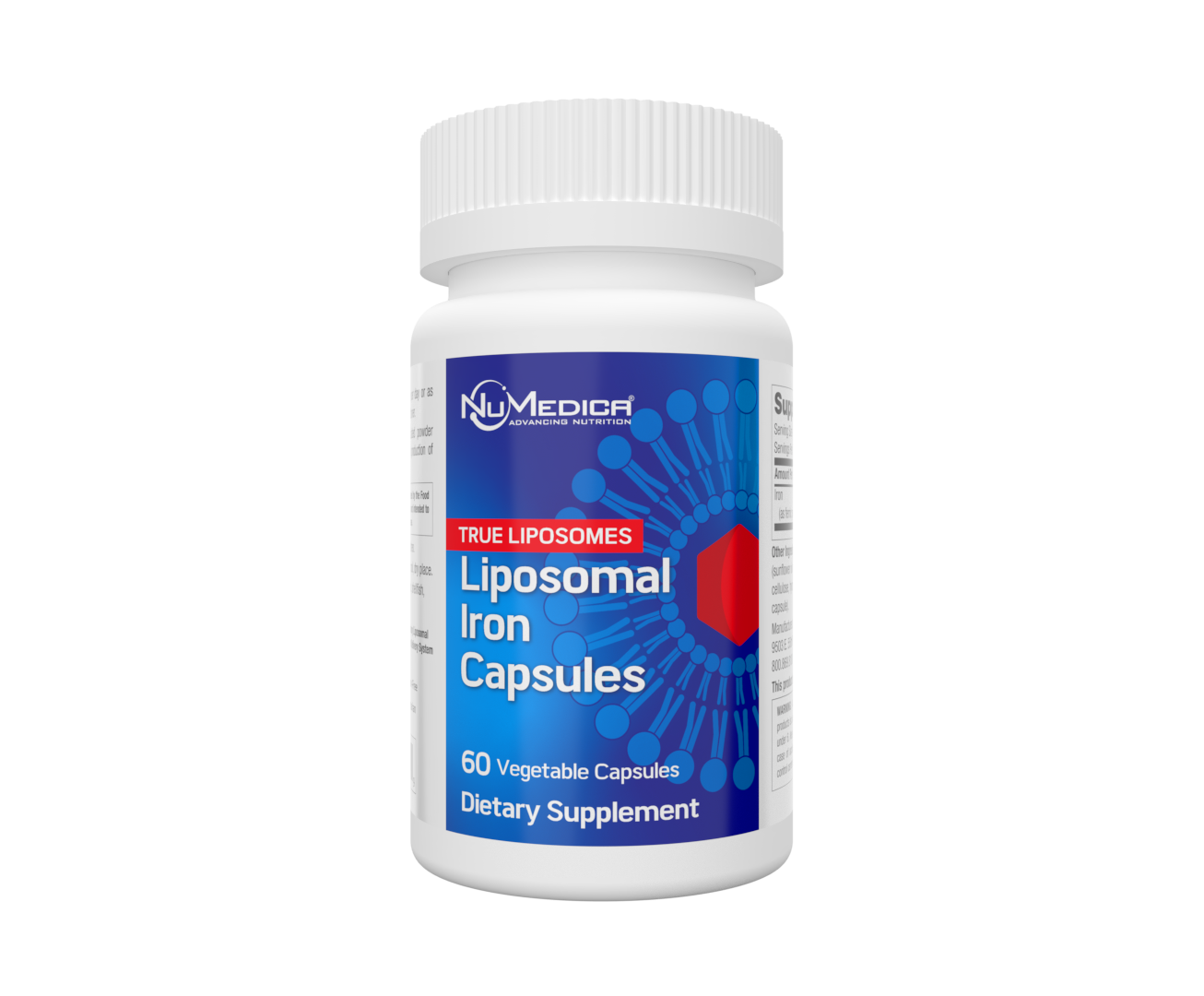
Liposomal Iron is an encapsulated powder liposomal assisting in the body's production of healthy red blood cells.*
Liposomes are tiny spherical structures composed of a lipid bilayer wrapped around an aqueous nutrient core. The liposomes are able to increase absorption by fusing with cell membranes to deliver nutrients. Powder liposomes work the same way as liquid liposomes; the lipids wrap around the nutrient but without the water. When the liposomes pass into the small intestine, they rehydrate. Imagine liquid liposomes as grapes and powder liposomes as raisins. Powder liposomes plump up just like a raisin does when soaked in water.