The Science of the Gut Barrier
Your Inner Gatekeeper: Why the Lining of Your Gut Deserves More Attention
Your gut does more than digest breakfast and handle yesterday’s dinner. It is home to one of the body’s most impressive protective systems: the gut barrier. This thin, highly active lining decides what gets through and what stays out. Nutrients, water, and helpful compounds get a welcome pass. Harmful microbes, toxins, and irritating particles do not.
That may sound simple, but it is not. The gut barrier is not just a wall. It is a living, responsive interface made of cells, mucus, immune defenses, and trillions of microbes working together. When it functions well, it quietly supports digestion, immunity, inflammation control, and even aspects of mood and energy. When under strain, the effects can ripple far beyond the digestive tract.
Understanding the gut barrier’s wide-reaching impact sets the stage for exploring what makes it so important—and how we can help it do its job.
Why your gut lining is more important than it sounds
The phrase “gut health” is used so often that it can lose meaning. The gut barrier gives that phrase a concrete meaning.
Your intestinal lining covers an enormous surface area and sits at one of the busiest borders in human biology. Every day, it encounters food proteins, bacteria, medications, metabolic byproducts, and environmental compounds. It must stay selective under constant pressure. That selectivity matters because the intestine is one of the main places where the outside world meets your inner body.
A resilient gut barrier helps:
absorb nutrients efficiently
keep unwanted microbes and irritants from crossing into deeper tissues
support a balanced immune response
Limit unnecessary inflammation
maintain a healthy relationship with the gut microbiome
When the barrier becomes less effective, the result is not usually a dramatic collapse. More often, it is subtle wear and tear. This may show up as digestive discomfort, increased sensitivity to certain foods, bloating, irregular bowel habits, or a general sense that the system is not running smoothly. In some cases, impaired barrier function is also linked to broader inflammatory and metabolic problems.
The gut barrier quietly protects your health every day.
Meet your gut’s security team
Thinking of the gut barrier as a single layer misses the real story. It is more like a coordinated security system with several lines of defense.
First, there is the mucus layer. This slick coating sits atop the intestinal lining and acts as a physical and chemical shield. It helps keep microbes at a healthy distance from the intestinal cells while also creating a habitat for beneficial organisms in certain parts of the gut.
Next are the epithelial cells, a tightly packed sheet lining the intestine. These cells form the main physical barrier. They are connected by structures called tight junctions (specialized connections that control what moves between cells), which help regulate what can pass between cells. Tight junctions are dynamic, not permanently sealed. They open and close in controlled ways depending on what the body needs.
The immune system is next. Positioned near the barrier, immune cells distinguish between harmless and threatening visitors. Balance is crucial: overreaction causes unnecessary inflammation, underreaction allows harmful invaders in.
The microbiome—the community of gut microbes—also strengthens the barrier, produces useful compounds, competes with harmful microbes, and helps train the immune system.
Together, these components create a resilient, adaptive defense.
What the science actually tells us
The gut barrier is often discussed in dramatic terms, but the real science is more interesting than the hype.
A healthy gut barrier is selectively permeable. It is supposed to allow certain things through while blocking others. This is normal biology. Problems arise when regulation is impaired and the barrier allows more passage than it should, especially for substances that can trigger immune activation or inflammation.
Researchers often study barrier function through factors such as tight junction integrity, mucus production, microbial balance, and markers of inflammation. The science shows a clear pattern: barrier health is influenced by multiple inputs simultaneously.
Diet matters. The gut lining depends on adequate nutrients and is influenced by compounds produced by gut microbes during fiber fermentation. Short-chain fatty acids, especially butyrate, are important because they help nourish colon cells and support barrier integrity.
Stress matters too. The gut and brain are constantly communicating through neural, hormonal, and immune pathways. Chronic stress can affect motility, sensitivity, inflammation, and the microbiome, all of which strain barrier function.
Sleep, infections, medications, alcohol intake, and disrupted eating patterns can also influence the gut environment. Intense exercise under certain conditions, especially in the presence of dehydration or heat stress, may temporarily increase intestinal permeability.
Gut barrier health is dynamic and shaped by your daily habits.
When the barrier gets stressed
Your gut barrier is designed to handle a lot, but not everything equally well.
A pattern of ultra-processed eating, low fiber intake, heavy alcohol use, poor sleep, persistent stress, repeated infections, or unnecessary antibiotic exposure can all challenge the system’s balance. Some medications, including frequent NSAID use in certain people, may also irritate the gut lining. Meaning every occasional indulgence damages your gut. Bodies are built for flexibility. The issue is repeated strain without enough recovery.
Signs that the gut may be under pressure are often non-specific. They can include bloating, gas, abdominal discomfort, changes in bowel habits, food sensitivity patterns, or digestive symptoms that worsen during stressful periods. These symptoms do not, on their own, prove a barrier problem, but they can be part of the picture.
"Leaky gut" oversimplifies. True gut science is precise—not dramatic.
How to support your gut barrier in real life
If you want to care for your gut barrier, the best strategies are surprisingly unflashy. They work because they support the system from multiple angles.
Start with a diet that includes a variety of plant foods. Fiber-rich foods such as vegetables, fruits, legumes, oats, nuts, seeds, and whole grains feed beneficial microbes, which produce compounds that help maintain the gut lining. Diversity matters here. A wider range of plant foods often means a wider range of helpful microbial activity.
Include fermented foods if you tolerate them well. Yogurt with live cultures, kefir, kimchi, sauerkraut, and similar foods may help support microbial diversity and gut function in some people.
Do not underestimate protein, minerals, and overall nourishment. The gut lining renews itself regularly, so it depends on steady access to building materials. Undereating, restrictive diets, or chaotic eating can work against barrier resilience.
Hydration also helps, especially for digestion, stool regularity, and overall intestinal function.
Prioritize small, steady actions for lasting gut health.
Lifestyle habits your gut quietly loves
Food gets most of the attention, but lifestyle is part of the story too.
Stress management matters because the gut is highly responsive to the nervous system. You do not need a perfectly peaceful life to support your gut, but regular downshifting helps. That might mean walks, breathing exercises, therapy, prayer, journaling, yoga, or simply protecting a few moments of calm each day.
Sleep is another major player. During poor sleep, inflammatory pathways, appetite signals, stress hormones, and the microbiome can all shift in ways that are not gut-friendly. Better sleep is not a trendy gut hack. It is foundational biology.
Movement helps as well. Moderate physical activity supports metabolic health, circulation, and bowel regularity, and may positively influence the microbiome. More is not always better. Excessive training without recovery can be a stressor. It is also associated with substances that can irritate the gut in excess. For many people, that includes alcohol and unnecessary overuse of certain pain relievers. The goal is not perfection. The goal is to reduce avoidable friction.
You might be wondering where supplements fit into this picture.
This is where people often hope for a shortcut. Sometimes supplements can be useful, but they are not a substitute for daily habits.
Certain probiotics may be helpful in specific situations, though the effects are strain-specific and not universal. “Probiotic” is a broad category, not a guarantee. Some people notice improvement, others do not, and the right product depends on the person and the goal.
Prebiotic fibers (plant fibers that feed beneficial gut microbes) can help feed beneficial microbes, but they should be introduced gradually, especially in people prone to bloating or IBS-type symptoms. More is not always better at first.
You may also see gut-support formulas marketed with ingredients such as glutamine, zinc carnosine, or polyphenol-rich plant compounds. These are scientifically interesting and may be appropriate in some contexts, but they are not magic. Evidence varies by population studied and outcome measured.
The smartest supplement mindset is this: use targeted support when there is a reason, not because a label promises to “heal the gut.” A well-fed, well-rested, less-stressed body usually gets farther than a shelf of powders.
The bigger picture
What makes the gut barrier fascinating is that it sits at the intersection of digestion, immunity, and everyday living. It responds to what you eat, how you sleep, how stressed you are, whether you recover well, and how diverse your internal microbial ecosystem remains.
It is not a fragile glass wall waiting to shatter. It is more like a living border patrol that thrives on good communication, steady resources, and manageable stress. This is reassuring because it means support does not have to be complicated.
Most people do not need a dramatic protocol. They need more fiber, more routine, better sleep, less stress, and a little patience.
The takeaway that matters most
The gut barrier is one of the body’s most important protective systems. It helps absorb what you need, block what you do not, and maintain balance between your digestive tract, immune system, and microbiome.
Its health depends on a team effort: mucus, intestinal cells, tight junctions, immune defenses, and beneficial microbes all work together. When that system is supported, digestion and resilience tend to work better. When it is under chronic strain, symptoms and inflammation can become more likely.
The most effective The most effective ways to support the gut barrier are also the most practical: eat a varied, fiber-rich diet, include fermented foods if they suit you, sleep well, manage stress, stay hydrated, move regularly, and avoid unnecessary gut irritants.e gut barrier is still evolving, but one lesson is already clear: taking care of your gut lining is less about chasing miracle fixes and more about creating conditions in which your body can do what it was designed to do.

Formulated with a high-quality form of zinc, along with supportive nutrients, to promote optimal zinc status and support overall health.*
Gluten Free Dairy Free Soy Free Vegetarian Non-GMO Vegan
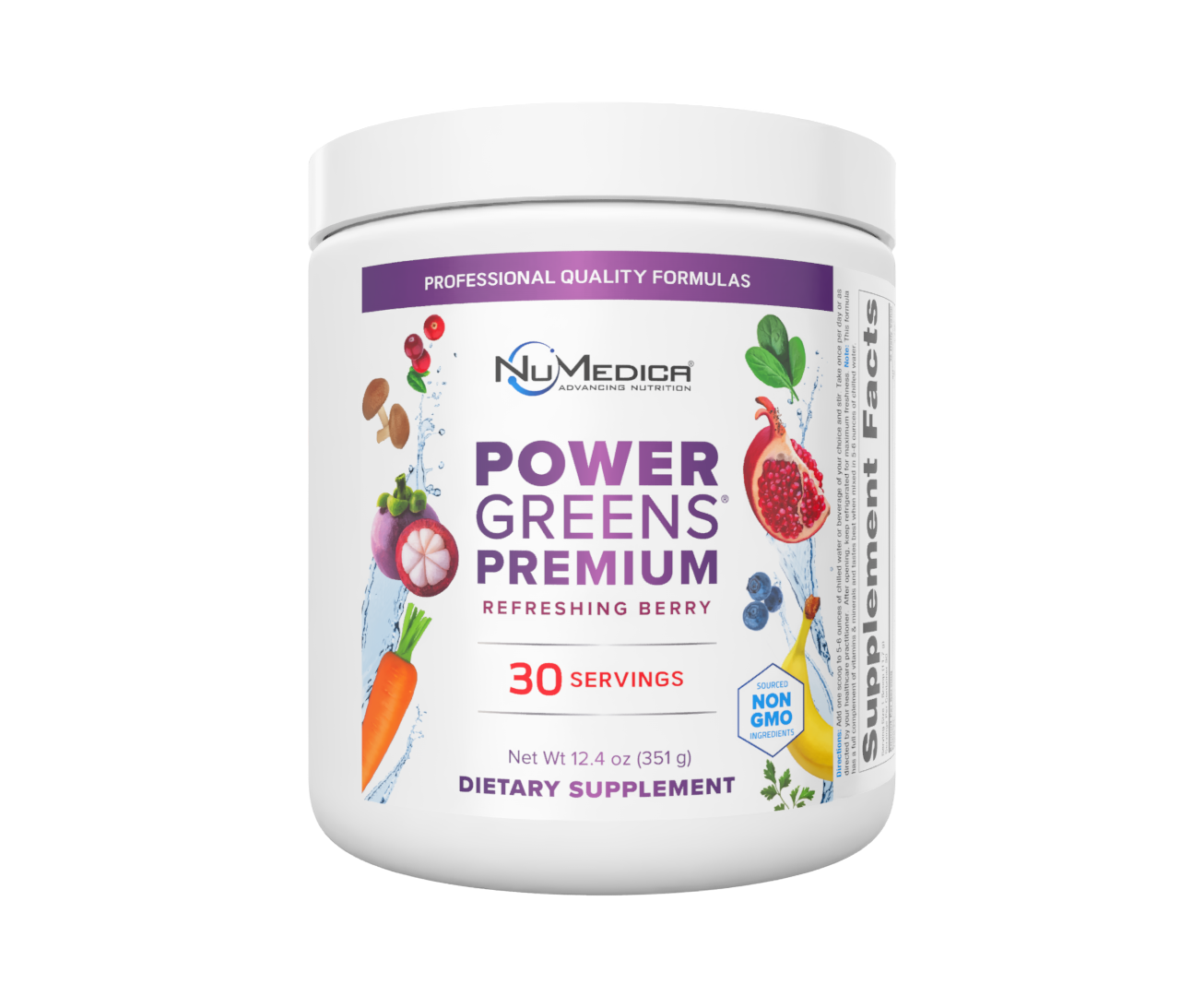
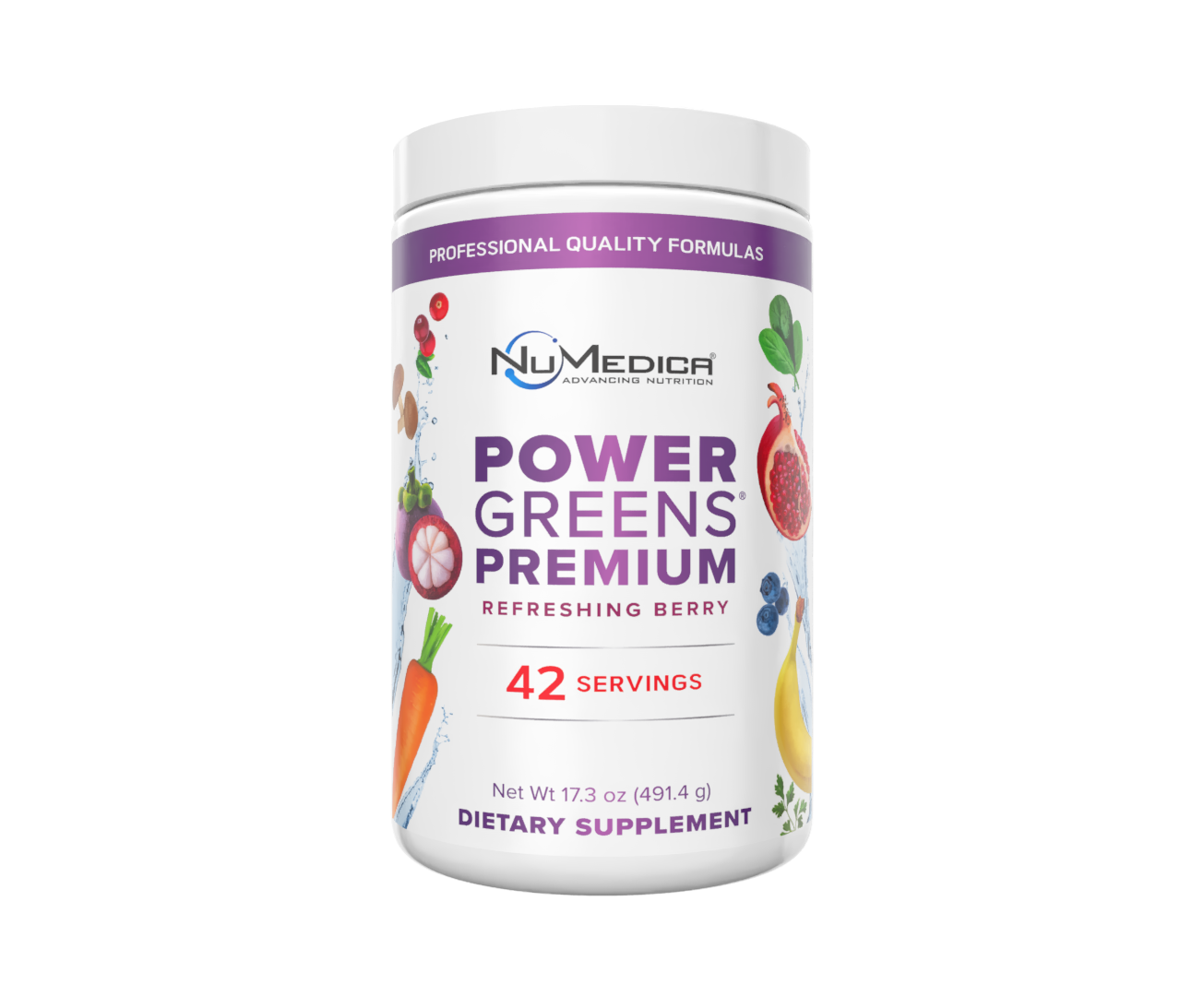
Power Greens® Premium is NuMedica’s state-of-the-art superfood drink mix, providing a great-tasting blend of fruits, vegetables, vitamins, and minerals. This premium formula is loaded with energizing phytonutrients, certified organic whole foods, and plant extracts, including pure spirulina, chlorella, certified organic goji, certified organic banana, broccoli, and cauliflower.
NuMedica® has added a full complement of vitamins and minerals, supplying at least 30% of the recommended daily value per serving, including the highest quality, active forms of B vitamins methylcobalamin and pyridoxal 5’-phosphate.* We have also added premium ingredients such as MatriCal™ and BrocColinate®. MatriCal™ is a superior, certified organic, plant-derived whole food complex supplying natural calcium and minerals and BrocColinate® is an extract from broccoli sprouts that has been heavily studied for its ability to aid Phase II detoxification and provide powerful antioxidant properties.* Additionally, this formula contains a full spectrum, adaptogenic herb blend designed to support the body’s stress response and adrenal function, as well as DDS-1® dairy-free probiotics for maintaining healthy intestinal flora and GI function.* We’ve also included 5-MTHF – Quatrefolic® – the reduced and most biologically active form of folate, allowing rapid uptake into the bloodstream.*

Eight probiotic bacterial strains designed to mimic the diversity of microorganisms that occur in cultured foods to support a healthy immune and GI system.*
Gluten Free Dairy Free Soy Free Vegetarian Non-GMO Vegan Heat Sensitive