Understanding Healthy Fats: What You Really Need to Know
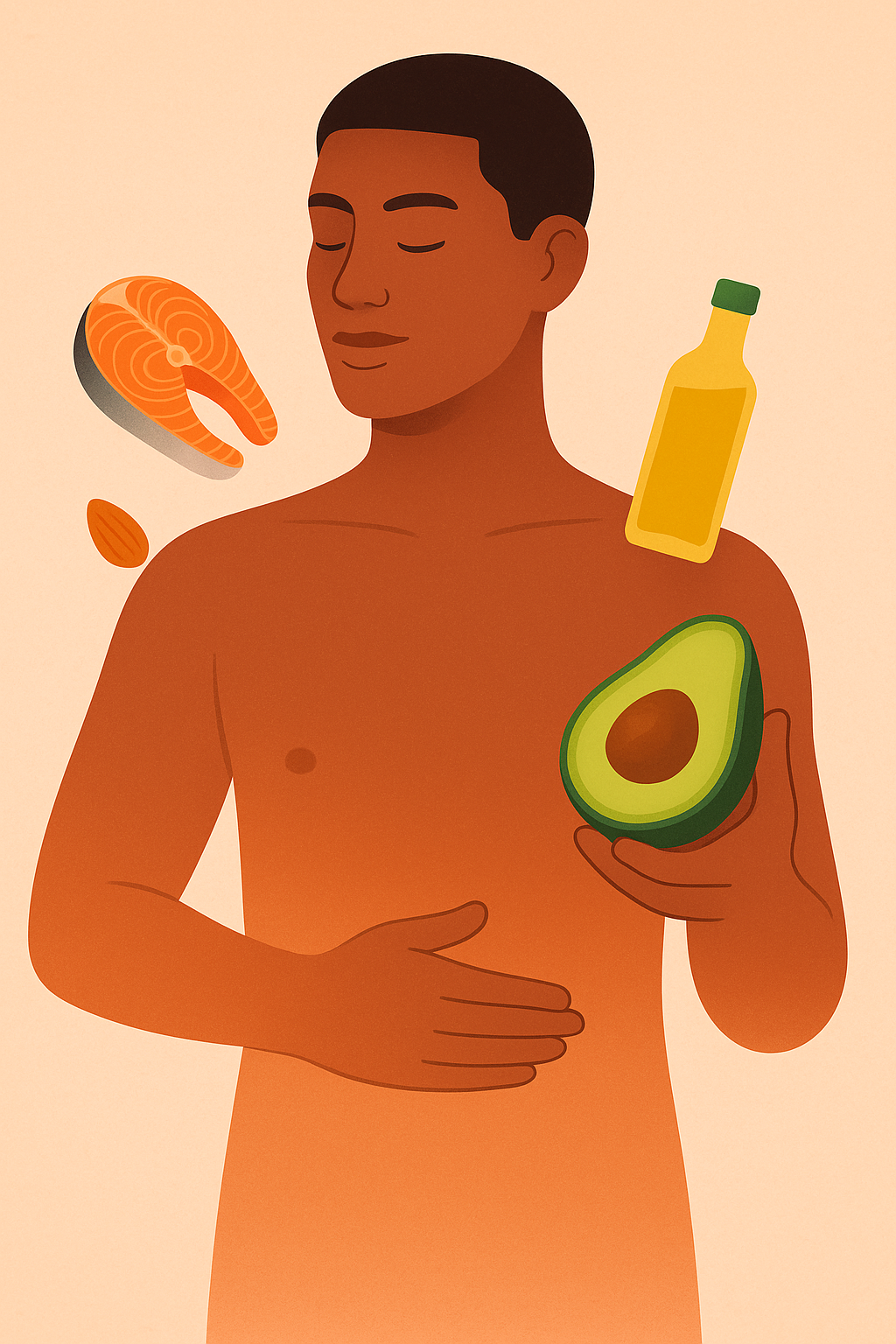
When we hear the word “fat” in relation to food, it often gets a bad reputation. For decades, we were told to avoid it at all costs—low-fat everything was the goal. But nutrition science has since painted a more nuanced (and friendlier) picture. Not all fats are created equal, and the truth is, healthy fats are not just “okay” to eat—they’re essential for your body and brain.
Why Your Body Needs Fat
Fats are one of the three macronutrients (alongside carbohydrates and protein) that keep us alive and functioning. They:
Provide a concentrated source of energy.
Help absorb fat-soluble vitamins like A, D, E, and K.
Support cell structure and hormone production.
Keep your skin healthy and your brain sharp.
The key is quality over quantity.
The Different Types of Fat
Let’s break them down without turning this into a chemistry lecture.
1. Unsaturated Fats – The Good Guys
These are the fats most linked with health benefits. They can help reduce bad cholesterol levels, lower inflammation, and support heart health.
Monounsaturated fats: Found in olive oil, avocados, almonds, and peanuts.
Polyunsaturated fats: Found in walnuts, flaxseeds, sunflower seeds, and fatty fish like salmon and mackerel.
Omega-3 fatty acids (a type of polyunsaturated fat) are especially important for heart and brain health, yet most people don’t get enough of them.
2. Saturated Fats – The Middle Ground
Saturated fats are naturally found in animal products like meat, butter, and cheese, as well as in tropical oils like coconut and palm oil. They’re not inherently “evil,” but research suggests that eating too much may raise LDL (“bad”) cholesterol in some people.
Nutrition experts now say it’s fine to include moderate amounts—especially from whole, minimally processed sources—while focusing on a diet rich in fruits, vegetables, whole grains, and lean proteins.
3. Trans Fats – The Ones to Avoid
Artificial trans fats are made by hydrogenating vegetable oils to make them more solid (think margarine sticks and certain processed snacks). They’ve been strongly linked to heart disease and inflammation, and many countries have banned or restricted them.
If you see “partially hydrogenated oil” on an ingredient list, it’s best to skip that food.
How Much Fat Do You Need?
The Dietary Guidelines for Americans suggest that 20–35% of your daily calories come from fat. That said, focusing on fat quality rather than obsessing over percentages is a better long-term strategy. If most of your fats are coming from nuts, seeds, avocado, fish, and healthy oils, you’re on the right track.
Easy Ways to Add Healthy Fats to Your Day
Drizzle olive oil over salads or roasted vegetables.
Snack on a small handful of mixed nuts.
Add avocado slices to your sandwiches or toast.
Choose fatty fish like salmon twice a week.
Sprinkle flaxseeds or chia seeds into yogurt or smoothies.
The Takeaway
Fat isn’t the enemy—it’s a crucial nutrient your body needs to thrive. The key is to choose fats that work for your health rather than against it. By focusing on unsaturated fats, keeping saturated fats in moderation, and avoiding trans fats, you can support your heart, brain, and overall well-being.
In short: Don’t fear fat. Learn about it, respect it, and enjoy it as part of a balanced diet. Your body will thank you.
